Francesca e Letizia raccontano Crossdresser Italia: espressione di genere, prime uscite, amicizia, famiglia e sostegno concreto. Una conversazione dal vivo con Diana Amaterasu e il pubblico del circolo.
Nota editoriale — Questa conversazione è stata riadattata alla lettura a partire dalla trascrizione della registrazione. Sono stati corretti errori di trascrizione, eliminati intercalari e ripetizioni e ricomposti passaggi interrotti o sovrapposti. Alcuni scambi e digressioni sono stati abbreviati o omessi. Il testo conserva il senso e il tono del dialogo, ma non è una riproduzione parola per parola. Opinioni ed esperienze personali restano attribuite alle persone che le esprimono; età, numeri, progetti e riferimenti temporali si riferiscono al momento della registrazione.
Le basi, senza incasellare le persone
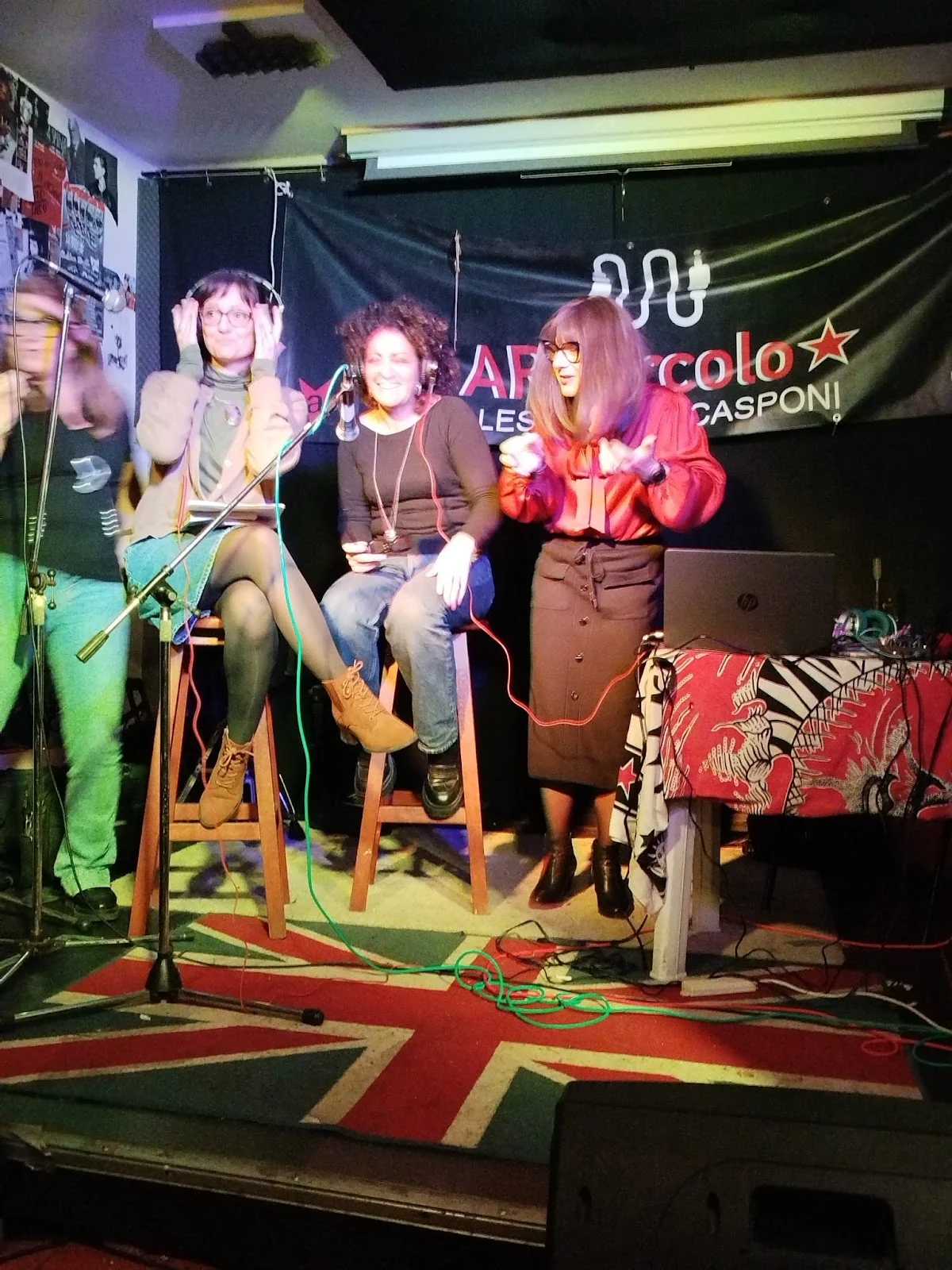
Diana: Benvenute e benvenuti a Trasmissioni da Orbita Bassa. Oggi cerchiamo di mantenere una giusta calibratura tra allegria e serietà: abbiamo ospiti Francesca e Letizia di Crossdresser Italia, accolte dall’applauso del circolo.
Prima di cominciare, una premessa per chi non conosce queste parole. Quando parliamo di corpi, orientamento ed espressione di genere, ci muoviamo su assi diversi. Il corpo e il sesso assegnato alla nascita sono una cosa; l’attrazione verso altre persone è un’altra; il modo in cui ci presentiamo è un’altra ancora. Non possiamo dedurre tutto da un solo elemento.
Se incontriamo una persona e non sappiamo come rivolgerci a lei, possiamo chiedere quali pronomi usa. Mi è capitato con una persona dall’aspetto piuttosto neutro: invece di indovinare, ho chiesto. Ci sono infinite sfumature, e appiccicare un’etichetta precisa a ogni singola condizione diventa complicato. In tutto questo, chi sono le crossdresser e che cosa fanno?
Letizia: Il problema è proprio nelle relazioni: quando incontrano qualcuno, le persone vogliono capire come inquadrarlo. Chi non conosce queste esperienze può avere difficoltà. Abbiamo scelto il nome Crossdresser Italia perché per noi abbraccia più personalità. Diciamo “zero etichette”: chi vuole esplorare il proprio lato femminile in amicizia e in allegria può farlo.
Amicizia, non un posto per rimorchiare
Diana: Quando dici “in amicizia e in allegria”, intendi senza che partecipare alle attività implichi rimorchio reciproco?
Letizia: Esatto. Da sempre vogliamo incontrarci per stare bene e divertirci, indipendentemente dal discorso sessuale. Il gruppo non è fatto per cercare rapporti. Serve anche a tirare fuori chi soffre tra quattro mura e pensa di essere l’unica persona ad avere una parte femminile con cui fa fatica a rapportarsi.
Abbiamo percorsi simili, ma diversi. Confrontandoci ci aiutiamo a uscire insieme e a vivere la quotidianità. Facciamo uscite sia di sera sia di giorno, in amicizia e serenità.
Diana: A seconda della confidenza con la propria identità, può esserci più o meno imbarazzo all’idea di incontrare qualcuno che ci riconosce. Magari ti conosce come Mario e tu sei appena uscita dal parrucchiere, con un trucco favoloso, la tua mini preferita e il tacco dodici. Come vivete la visibilità?
Uso anche la parola “queer”: un termine ombrello che comprende molte esperienze diverse, nato come insulto e poi rivendicato. Ogni tanto faccio uno spiegone perché non tutti sanno tutto.
Francesca: Il nostro punto di partenza è proprio zero etichette. Siamo aperte a chi vuole avvicinarsi al crossdressing. Per noi è anche un’arte, non qualcosa da definire soltanto attraverso la sessualità. Il gruppo nasce per dare supporto: organizziamo uscite ed eventi, aiutiamo le persone a vivere questa parte di sé nella normalità.
Diana: Parliamo quindi anche di bellezza, make-up, abbigliamento, stile. Letizia, appoggia una mano sulla spalla di Francesca per farla sentire sostenuta. Si sta un po’ cullando e allontanando dal microfono: puoi continuare, ma portalo con te! Io, per non sbagliare, me lo sono legato alla faccia.
Francesca: Cerchiamo di aiutare ciascuna a vivere la propria femminilità. Chi vuole seguire il gruppo, uscire con noi o partecipare agli eventi può trovare un sostegno.
Le prime uscite
Diana: “In the closet”, dentro l’armadio, si usa per chi non ha ancora reso pubblica una parte di sé. A volte c’è paura di uscire, e non sempre senza ragione. All’inizio si può essere meno pratiche con abiti e trucco e sentirsi più esposte. Con l’esperienza cambia anche il modo di stare nella situazione. Vi occupate di questo?
Francesca: Aiutiamo le neofite nel trucco, nell’abbigliamento, nella gestualità. Per la voce serve un lavoro diverso. Stiamo organizzando varie attività, anche con una ragazza trans che abbiamo contattato da poco. Facciamo diverse uscite e stiamo preparando un evento a Roma.
Diana: Organizzato dalla vostra presidentessa, Letizia. Sei fondatrice o hai fatto carriera?
Letizia: Ho fatto carriera! Il gruppo è nato da tre o quattro persone, poi è arrivato a dodici, tredici, quindici, sedici. Ora la nostra utenza supera le trentamila persone.
Diana: Trentamila? Quando esce il podcast condividete il link! Siete probabilmente più di chi ci ha ascoltate finora. Siamo modeste, ma anche ambiziose.
Letizia: E con molta selezione: altrimenti saremmo centomila.
Diana: Ho conosciuto gruppi online in cui si parlava davvero di sostegno: una persona raccontava il proprio disagio e le altre le rispondevano “Tu vali, siamo con te”. In alcuni gruppi italiani, invece, ho trovato soprattutto proposte d’incontri sessuali. Crossdresser Italia è stata una scoperta piacevole. Qual è l’equivoco di chi entra senza aver capito?
Francesca: Nel nostro gruppo usiamo il crossdressing come espressione di femminilità. Quando lo distinguiamo dal travestitismo, ci riferiamo soprattutto all’accezione che associa quest’ultimo al feticismo. I confini possono intrecciarsi: non è semplice.
Diana: Per questo parlavo di assi diversi e dell’assurdità di voler dare un’etichetta a ogni posizione. L’immagine stereotipata del travestimento è stata spesso legata alle pratiche sessuali. Invece una crossdresser può essere eterosessuale, sposata, con una moglie che partecipa alle uscite oppure che preferisce non partecipare.
Letizia: Molte persone hanno una famiglia e delle difficoltà che impediscono loro di mostrarsi al mondo.
Diana: Anche la paura di perdere il lavoro, i clienti, i rapporti.
Un borsone custodito, una persona che si riconosce
Francesca: A casa mia custodisco borse di diverse persone che non possono tenere i loro vestiti a casa. Vivo da sola: vengono da me, si preparano e le trucco. Sono anche make-up artist e cerchiamo di aiutare tutte.
Diana: Hai costruito una professionalità in più e, da quello che capisco, la usi soprattutto per aiutare.
Francesca: Non ho mai guadagnato un centesimo. Ho truccato centinaia di persone. Quando una persona appena truccata ti guarda e comincia a piangere, ti ripaga molto più del denaro. Sono emozioni fortissime.
Molte di noi hanno esperienze che si somigliano: la prima scarpa col tacco, una calza della mamma o della sorella, poi un percorso che cresce. Quando diventiamo noi stesse, stiamo bene con noi stesse. Io ho anche un percorso di transizione alle spalle, interrotto per problemi di salute; ho continuato a vivere come crossdresser.
Diana: Ci sono anche persone che rivendicano il diritto di vivere la propria identità senza modificare il corpo. Si aprono tante questioni, ma non voglio perdere chi si avvicina a questi argomenti per la prima volta. Letizia, diamo la parola anche a te: Francesca ha preso il pallone ed è corsa verso il centrocampo!
Letizia: Ha spiegato bene il nostro obiettivo. Vogliamo dare coraggio a chi ha difficoltà a uscire. Insieme è più facile, e non solo a parole: organizziamo uscite in Italia e si aggiunge sempre qualche ragazza alla sua prima volta. Sono cose davvero belle.
Diana: Qualcuna, dopo queste uscite, è riuscita a fare da sola cose quotidiane?
Letizia: C’è stata anche chi ha iniziato un percorso di transizione, perché ha scoperto se stessa.
Diana: E una transizione non implica automaticamente un cambiamento di orientamento sessuale. Una donna può continuare ad amare le donne, restare con la propria moglie o trovare un’altra partner. Torniamo sempre alle sfumature.
Una famiglia che sopporta e supporta
Francesca: Abbiamo iniziato questo percorso cinque anni fa, con tante amiche. È nato un rapporto che mi piace chiamare famiglia. La famiglia ti sopporta, e noi ci sopportiamo. Ma soprattutto ci supportiamo a vicenda.
Diana: Come abbiamo nomi d’elezione, possiamo avere famiglie d’elezione. A volte non è soltanto una scelta: diventa una necessità, perché la famiglia d’origine può essere un ambiente nocivo o non accogliente. Hai mai dovuto ospitare qualcuno che era stato cacciato di casa?
Francesca: Sì, una ragazza è rimasta da me per quattro mesi. Poi ha ripreso i contatti con la famiglia ed è tornata a casa, ma con la promessa di non farlo più. È la parte brutta. Continua comunque a venire da me.
Diana: Tu quando sei andata a vivere da sola?
Francesca: A diciannove anni. Ho cominciato a lavorare, preso un monolocale e sono andata via per avere libertà. Per me era importante potermi esprimere fuori da un contesto familiare più chiuso.
Diana: Ricordando che non tutte le famiglie e non tutti i luoghi sono uguali: può esserci una famiglia accogliente dove meno te l’aspetti.
Francesca: Cerchiamo di sfatare lo stereotipo che associa sempre il crossdressing al sesso e ai privé. Non è quello che facciamo.
La normalità nella normalità
Diana: Anche il modo di raccontare le notizie può creare associazioni automatiche e pesanti.
Letizia: È difficile cambiare la mentalità quando viene alimentata così. Cerchiamo di presentarci in modo sorridente, scherzoso, gentile, e nella nostra esperienza le persone spesso rispondono nello stesso modo. Certo, siamo anche in gruppo, e le persone non sono tutte uguali.
Proviamo a cambiare le cose goccia a goccia. Poi, in fondo, non c’è nulla da “accettare”: possiamo divertirci vestendoci come ci piace, come potremmo andare a pesca o praticare uno sport insieme. Abbiamo il diritto di farlo; non dobbiamo chiedere il permesso.
Diana: Posso farti una domanda personale? Puoi fermarmi o svicolare. Hai una relazione?
Letizia: Sono sposata e ho figli.
Diana: Hai anche tu il borsone a casa di Francesca?
Letizia: No, a casa posso vivere come voglio. Non è stato facile: c’è stato un percorso di comprensione. Con mia moglie siamo andate da una psicologa, prima insieme, poi singolarmente. Quando ci siamo ritrovate insieme, la psicologa le ha detto che suo marito era una persona equilibrata e stava bene; forse avrebbe fatto bene a lei qualche incontro per approfondire.
Fuori dalla porta mia moglie mi ha guardata: “Insomma, quella strana sarei io?”
Diana: Per capire meglio l’argomento, non per darle della strana! Le farai ascoltare il podcast?
Letizia: Senza dubbio.
Diana: Allora salutiamo Lorena. Sei grande, siamo con te.
Uscire dal guscio e ricordare
Diana: A chi muove i primi passi vorrei dire che sentirsi abbastanza pronte, scegliere il momento e avere sostegno può fare la differenza. Se qualcuno ti guarda, quando la situazione lo permette, puoi incontrarne lo sguardo con un sorriso: sono qui a comprare le arance, non ho niente da nascondere.
Prima di salutarci vorrei ricordare anche chi non è più con noi. Ho chiamato la mia intelligenza artificiale “Brenda” in omaggio a una donna trans la cui morte mi ha molto colpita. Voi volete ricordare una persona?
Francesca: Un’amica truccatrice di Roma, una persona stupenda. Aiutava tante persone con consigli, una chiacchierata, parole dolci. Era dolcissima. Purtroppo non c’è più, ma mi piace pensare che resterà sempre con noi.
Diana: Grazie di averla portata qui. Ti salutiamo con un abbraccio più stretto. Anche le persone alleate fanno la differenza: sostengono concretamente, facendo ciò che sanno fare, essendo buone amiche. Letizia, hai scelto il tuo nome per la gioia…
Letizia: Di vivere anche la mia parte femminile.
Dove ritrovarsi
Diana: Chi vi cerca trova il gruppo Facebook Crossdresser Italia. Che età hanno le persone?
Letizia: C’è di tutto, dai diciottenni agli ottantenni.
Diana: Diciottenni su Facebook? Gli ultimi superstiti! E altrove?
Letizia: Abbiamo una pagina Instagram e stiamo lavorando ad altri progetti, anche a un sito. Vogliamo portare avanti il crossdressing nella tranquillità e nella familiarità.
Francesca: Ci sono persone di ogni professione: giudici, avvocate, forze dell’ordine, mediche, operaie. Siamo persone normali.
Diana: Piano con gli insulti: “normale” lo dici a tua sorella!
Il presidente del circolo: Avete fatto bene a dare i riferimenti, anche per le persone giovani che vogliono esprimersi tranquillamente. Una delle mie figlie ha frequentato il liceo artistico di via Ripetta e mi ha colpito che all’iscrizione non fosse importante indicare il genere: nome e cognome. Al circolo stiamo anche pensando a una proiezione di cortometraggi di registe queer palestinesi.
Diana: Un’altra occasione per mettere in discussione i luoghi comuni. Prima di chiudere, volete salutare le vostre amiche?
Francesca: La nostra truccatrice ufficiale, che dà consigli e fa corsi online e in presenza, e tutte le amiche che portano avanti questo percorso insieme a noi. Siamo davvero tante.
Diana: Finisce qui questa puntata extra large con Francesca e Letizia di Crossdresser Italia. Una di voi viene da lontano: è stato bello avere tempo per una conversazione lunga. Grazie a voi e a chi ci ha ascoltate.










CommentiComments
Caricamento dei commenti…Loading comments…