Con Nico Gallo, dalla fantascienza che interroga il presente a Star Trek, dalle idee di libertà alla memoria antifascista: una lunga conversazione su letteratura, potere e possibilità di cambiare il mondo.
Nota editoriale — Questa conversazione è stata riadattata alla lettura a partire dalla trascrizione della registrazione. Sono stati corretti errori di trascrizione, eliminati intercalari e ripetizioni e ricomposti passaggi interrotti o sovrapposti. Alcuni scambi e digressioni sono stati abbreviati o omessi. Il testo conserva il senso e il tono del dialogo, ma non è una riproduzione parola per parola. Opinioni ed esperienze personali restano attribuite alle persone che le esprimono; età, numeri, progetti e riferimenti temporali si riferiscono al momento della registrazione.
Fantascienza contro lo stato di cose presente
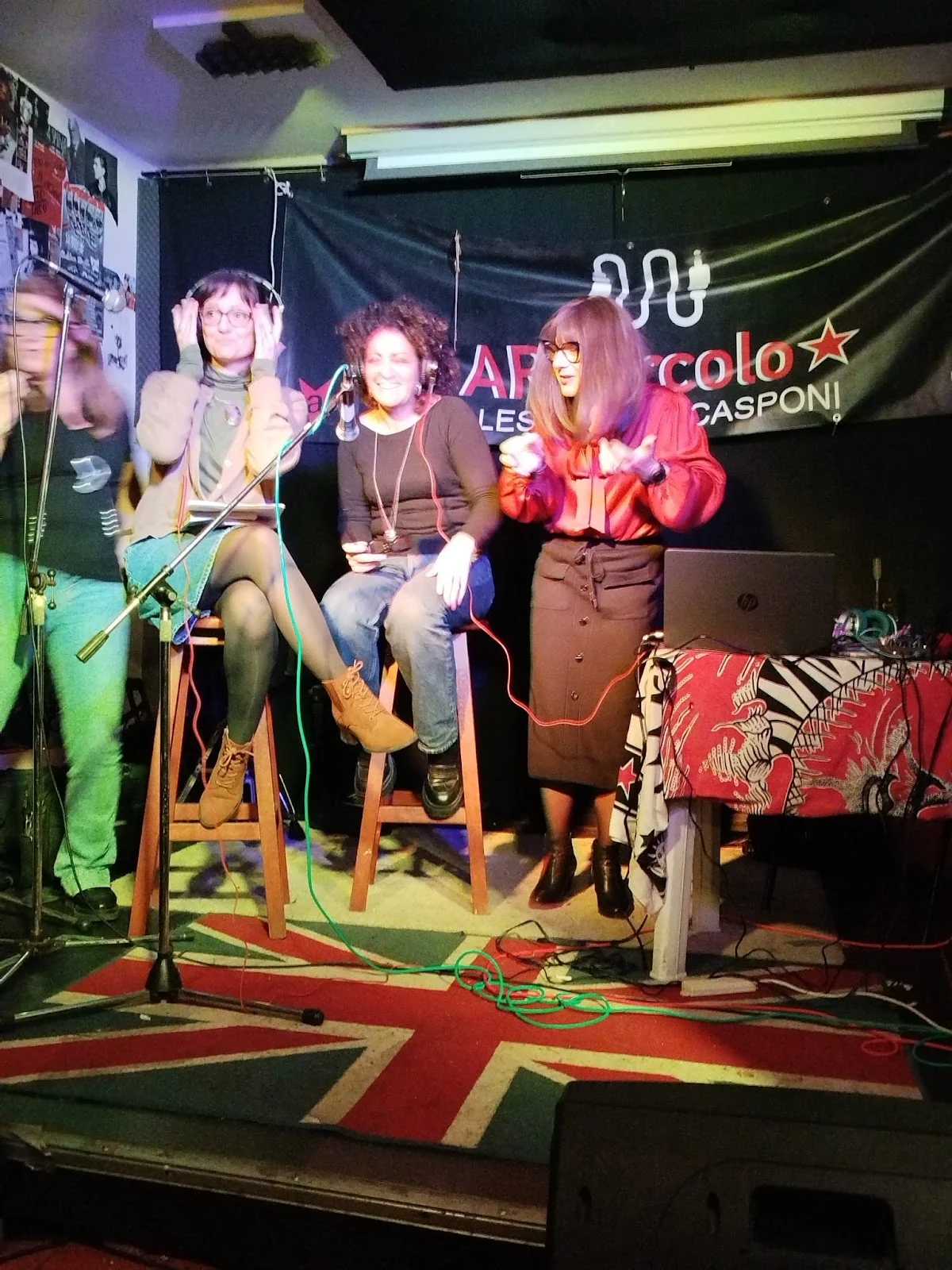
Diana: Oggi abbiamo un ospite al telefono, quindi per me è un volo solitario. Non decolliamo dal palco dell’ARCIrcolo Alessandro Casponi, ma dalla mia navicella personale. Forse il nostro ospite saprà suggerirci come mandare i cosmonauti a occupare la Stazione Spaziale Internazionale, ultimo luogo di concordia e internazionalismo umano. Però, essendo un autore di fantascienza, probabilmente proporrà qualcosa d’improbabile che non funzionerà.
È con noi Domenico Gallo, Nico, una figura importante della fantascienza politica e della cultura cyberpunk italiana. Per me ci sono autori che mettono i laser al posto dei proiettili e le astronavi al posto dei carri armati, e autori che fanno satira politica sostituendo i politici con imperatori stellari. Tenderei a metterti nella seconda categoria, ma sarai tu a smentirmi. Siamo persone ignoranti che cercano di farsi una cultura facendo domande. Benvenuto!
Nico: Grazie dell’invito. Più che uno scrittore penso di essere un lettore di fantascienza. Quella che mi soddisfa è legata alla realtà in cui vivo: non è soltanto fantasia o allontanamento dalla mia vita. Forse la fantascienza migliore è proprio quella contro lo stato di cose presente.
Diana: Ringraziamo anche Giampietro Stocco, che ci ha messi in contatto. Quando voglio fare bella figura parto da Bertrand Russell: raccontava di essere diventato ribelle suo malgrado, perché il mondo aveva preso una direzione opposta a quella in cui sperava. Ti ci ritrovi?
Nico: Sì. Diffido dei ribelli professionisti: preferisco i dilettanti. Se sono stato ribelle, lo sono stato così. Forse mi sono legato alla fantascienza perché è piena d’insofferenze e di progetti che non si avverano. Però quei progetti ci chiamano a percorrere una strada. Gli obiettivi si allontanano mentre ci avviciniamo, e resta una tensione costante.
Ne parlano gli studiosi dell’utopia, ne parla Calvino nelle Città invisibili: l’utopia è uno stato che non si raggiunge. Se diventa qualcosa di raggiunto, può diventare pericolosa.
Le conquiste non sono definitive
Diana: Ho la sensazione che quando le cose sembrano andare meglio arrivi una reazione violenta a ricacciarci indietro. Penso alla Germania prima del nazismo e, oggi, alla contrapposizione tra i discorsi sull’inclusività negli Stati Uniti e quello che sta facendo Trump. È soltanto una mia impressione?
Nico: No, la vedo anch’io. Secondo me molti conflitti del Novecento sono rimasti irrisolti: non hanno prodotto un passaggio duraturo del potere dalle classi dirigenti a qualcun altro. Nella Germania di Weimar le classi dirigenti conservarono il proprio ruolo e, quando videro nei nazisti dei partner interessanti, li portarono al potere.
Diana: Pensando di poterli gestire.
Nico: Esatto. Quando le classi subalterne conquistano vantaggi — pensioni, accesso allo studio, tutela del lavoro — appena possibile quei vantaggi vengono rimessi in discussione, perché interferiscono con i profitti e con le dinamiche del potere.
Da bambino mi avevano insegnato che saremmo andati, lentamente ma sempre, verso il meglio e verso una maggiore democrazia. Dopo gli anni Ottanta ho scoperto amaramente che non era vero. Il confine della democrazia è mobile: dipende dai rapporti di forza.
Il dumping delle libertà
Diana: Mi espongo con una teoria mia. È rischioso presentarla per la prima volta a una persona molto intelligente.
Nico: Non sono io, allora: ci sarà qualcun altro.
Diana: Parlavo del gatto che ci guarda. Ma non può rispondere, quindi prendila in considerazione tu. Ho pensato a un “dumping dei diritti e delle libertà”, prendendo il termine dall’economia: esportare una bella immagine di democrazia, diritti e libertà mentre nel proprio paese si praticano discriminazione e repressione. Non penso soltanto agli Stati Uniti, ma anche all’Unione Sovietica e ad altre potenze. Che ne pensi?
Nico: Mi sembra corretto prendere il termine dumping e applicarlo ai diritti. Dal punto di vista capitalista anche i diritti possono diventare merci.
Diana: Merci di scambio e presupposti per venderne altre. Parliamo anche di soft power: influenza che passa dal rendersi simpatici, dalla cultura e dai programmi di cooperazione, invece che dalle armi.
Nico: La seduzione è un meccanismo del potere. Negli Stati Uniti del dopoguerra il consumismo era collegato alla stabilità sociale e alle necessità industriali. Mentre venivano attaccate libertà sindacali e forme di solidarietà, veniva offerta la libertà di consumare.
Diana: Come se fosse nuovo. Pensando a Silvia Federici, anche in altre trasformazioni economiche le forme di aggregazione collettiva sono state demonizzate.
Nico: Oggi chiamiamo tutto questo “narrazione”: lavorare sull’immaginario per ottenerne vantaggi. La fantascienza parlava di questi meccanismi già negli anni Cinquanta.
Quando nasce la fantascienza?
Diana: Penso a Swift e ai Viaggi di Gulliver: mondi immaginari e personaggi fantastici per prendere in giro i potenti. Anche i legacci dei lillipuziani possono far pensare ai lacci burocratici.
Nico: Certo. Poi la fantascienza diventa un fenomeno di massa, soprattutto negli Stati Uniti e nel mondo di lingua inglese. Nel 2026 ne ricorre il centenario, prendendo come riferimento una data particolare.
Diana: Come si stabilisce la data di nascita?
Nico: Se ne possono scegliere diverse, sostenendo ciascuna con degli argomenti. Per me ce ne sono due. La prima è il 1818, quando Mary Shelley pubblica Frankenstein: nasce un genere che mette insieme letteratura e scienza. La seconda è il 1926, quando Hugo Gernsback pubblica Amazing Stories, una rivista interamente dedicata a quella letteratura. Da lì diventa un fenomeno di massa.
Gernsback la chiama “scientifiction”, poi diventata “science fiction”: una narrativa con un alto contenuto di scienza e tecnologia, che ne proietta le potenzialità in storie avventurose e avvincenti, mantenendo la sensazione che possano essere possibili.
Ma fin dall’inizio non è soltanto estrapolazione tecnologica. Il rapporto tra tecnologie, potere e assetti sociali è molto stretto: diventa rapidamente anche letteratura politica. È affascinata e preoccupata dalle tecnologie capaci di cambiare la società, nella tradizione di H. G. Wells. E comincia a chiedersi se possano cambiare anche i rapporti tra le persone.
Potremmo lavorare meno, evitare i lavori pericolosi. Se macchine sofisticate lavorassero per noi, perché dovremmo continuare ad avere il denaro?
Star Trek e una tecnologia più umana
Diana: Ti racconto un episodio personale. Al liceo ero una capra in matematica e prendevo ripetizioni da una ragazza con la casa piena di Urania. Tornavo a casa con dieci o quindici volumi e ne leggevo anche due al giorno. Poi mi sono appassionata a Star Trek, soprattutto per la filosofia sull’evoluzione umana e sulla tecnologia.
Mi mandò in estasi il passaggio in cui si dice che non si lavora più per il guadagno economico, ma per migliorare se stessi.
Nico: A quel punto, forse, il lavoro non finisce mai! Fai bene a citare Star Trek: esce durante la guerra del Vietnam e porta dentro tensioni e contrapposizioni di quel periodo. Gli sceneggiatori prendono posizione per un mondo che non è quello della guerra e che non vede altri paesi soltanto come colonie da sfruttare.
È una cultura tecnologica, sì, ma di una tecnologia che ti consente di essere più umano.
Diana: E in piena Guerra fredda sull’Enterprise troviamo anche Pavel Chekov, un russo che non perde occasione per rivendicare la grandezza della propria cultura. Fare questo negli Stati Uniti, in quel momento, è una scelta coraggiosa.
Nico: Anche molta fantascienza sovietica vede nello spazio un’impresa collettiva: persone diverse che rappresentano un ideale umano. Possiamo chiederci quanto sia propaganda e quanta libertà espressiva ci fosse. Ma sono scettico anche sulla nostra libertà espressiva: puoi scrivere un libro rivoluzionario, ma se le strutture del profitto non lo pubblicano o non lo fanno circolare, che possibilità hai di farti sentire?
Quante idee di libertà?
Nico: C’è un libro di Eric Foner, Storia della libertà americana, che mi interessa molto. Racconta come il concetto di libertà venga ridefinito nelle diverse epoche: diritti sociali e sindacali, lavoro, poi libertà di consumo e possibilità di comprare oggetti, poi diritti civili. Una persona afroamericana ha davvero gli stessi diritti di una bianca?
Leggo anche la storia della fantascienza in relazione a queste trasformazioni: in ogni epoca rispecchia diverse definizioni di libertà.
Diana: Ho un’altra citazione, ma non dico subito da dove viene, altrimenti sembra che la mia cultura si riduca a quello.
Nico: Di nuovo Swift?
Diana: No, sempre Star Trek, ma un altro capitano: persone che si uccidono perché portano idee diverse di libertà. Forse a tante libertà corrispondono tante fantascienze.
Anche oggi si contrappone il diritto a essere rispettati e non discriminati alla pretesa di poter insultare liberamente. Si confonde l’odio con la libertà d’espressione. Di fronte a questo diciamo che resistiamo. E tu hai pubblicato nella collana Fantascienza Resistente.
Quarant’anni di scrittura
Diana: Quante cose hai fatto? Parliamo di L’ultima cordata e La patria del ribelle.
Nico: Intanto ringrazio Laura Coci e Roberto Del Piano, che hanno avuto l’idea di raccogliere i miei racconti in due volumi. Ho cercato di sconsigliarli, ma sono stati irremovibili.
Diana: “Ti troveremo e ti pubblicheremo, inutile nasconderti!”
Nico: Sono quarant’anni di scritture. Ho scritto soprattutto saggi e pubblicato oltre mille recensioni: questo fa di me un lettore folle, perché i libri letti sono molti di più.
Diana: Mi sento piccola: io recensisco distributori di benzina su Google Maps.
Nico: Mi hanno fatto l’onore di pubblicare e interpretare quei racconti. Secondo me l’autore è spesso quello che capisce meno i propri scritti. Gli intervistatori, con le domande, ti costringono a riflettere su ciò che hai fatto. L’autore tende a proteggersi e a sovrastimare le proprie qualità; qualcuno poco, altri moltissimo.
Un ribelle e suo nonno
Diana: Preferisci i ribelli dilettanti, però il titolo La patria del ribelle sembra quasi un’identità.
Nico: Sono stato un militante politico dalla fine del 1973, quando sono entrato al liceo a Genova. La scuola era al confine tra la zona dei poveri e quella dei ricchi. Io venivo dalla prima, ma lì si mescolavano persone di provenienze molto diverse. Si creò affetto al di là delle famiglie e delle possibilità economiche. C’erano anche i fascisti e la mia militanza cominciò presto; poi cambiò forma insieme alle organizzazioni.
Sono scettico verso origini e tradizioni, ma in qualche modo le cerco. I racconti sono dedicati a mio nonno materno, di Carrara, che attraversò una parte del Novecento come semplice militante: il fascismo, la guerra di Spagna, l’esilio, la Resistenza.
Diceva di essersi trovato in mezzo quasi per caso. Durante il fascismo chi non era fascista poteva essere ridotto alla fame: non lavorava più, e chi provava a dargli lavoro veniva intimidito. Chi poteva andava all’estero. Mio nonno lavorava in Francia, a Perpignan; sentendo ciò che accadeva a Barcellona nel 1936, lui e un amico andarono a vedere e si trovarono coinvolti.
La patria del ribelle è dedicata a lui; il titolo viene da una canzone partigiana. È un’ucronia.
Diana: Per chi non conosce il termine: una storia che immagina un presente o un futuro diverso cambiando un presupposto storico.
Nico: Qui la guerra civile italiana finisce un po’ diversamente. Mussolini muore, ma alcune persone che vennero fucilate non lo sono; la monarchia vince il referendum. E si ripresenta il riciclaggio di chi aveva ruoli nel regime, una continuità che abbiamo conosciuto anche nella realtà repubblicana.
Diana: Come si fanno i conti con il passato? È diverso nei paesi dove il fascismo è arrivato dall’esterno?
Nico: Il collaborazionismo si appoggiava anche a forze locali: penso alla Francia e alla Norvegia. Le storie europee della repressione e della resa dei conti sono diverse. Mi interessa anche un altro criterio di civiltà: quanto è piccolo il divario tra chi ha il reddito più basso e chi ha quello più alto.
Una patria senza nazionalismo
Diana: Per un internazionalista, allora, la “patria” del titolo è simbolica, emotiva?
Nico: Quando si scrive c’è sempre anche una parte di cialtroneria! Cercavo una frase che evocasse la Resistenza, ho letto i testi delle canzoni e questa mi ha colpito. Il nazionalismo, però, è una delle forme politiche che trovo più disgustose.
A scuola ci raccontavano di paesi omogenei per lingua, cultura e religione, ma quella realtà non esiste così. L’idea che ogni popolo debba avere il proprio territorio, nel quale gli altri non entrano, è ingenua e contraria alla storia umana.
Diana: Il gioco delle sedie: ognuno a casa sua.
Nico: La nostra è una storia di migrazioni, di scontri anche violenti e di assimilazioni. Il DNA porta traccia di quegli spostamenti. Il nazionalismo ignora l’umanità come elemento fondamentale. Le lingue sono creazioni umane e potrebbero cambiare; invece abbiamo nazioni con economie, accumuli di capitale e strategie differenti, spesso ostili tra loro.
Commercio, forza, privilegi
Nico: Penso anche a paesi costretti con la guerra ad aprirsi al commercio: le aziende devono poter entrare, il commercio deve avere la priorità.
Diana: Mi fai pensare all’oppio e ai rapporti tra impero britannico, India e Cina: anche lì dietro troviamo prodotti da vendere e squilibri negli scambi.
Nico: Le guerre dell’oppio sarebbero interessanti da approfondire. Nell’immaginario l’oppio viene dalla Cina, ma quella produzione era indiana. Torniamo sempre alla legge del profitto come criterio delle azioni delle classi dirigenti.
Diana: E la differenza tra un diritto e un privilegio? Forse è un diritto quando può averlo anche il figlio del fornaio; diventa privilegio quando può comprarlo soltanto chi ha i mezzi.
Nico: O quando viene imposto dalla forza militare. “Io posso bombardare te, tu non puoi bombardare me”: questa è la logica. Criticare una minaccia esterna non significa fare l’apologia di chi governa quel paese. Per esempio le élite religiose iraniane mi stanno sullo stomaco da decenni, anche per la repressione delle forze comuniste, socialiste, sindacali e democratiche.
Diana: Avevano partecipato alla rivoluzione contro lo scià e poi alcuni hanno perso il dopo-rivoluzione. La sedimentazione del potere porta spesso a risultati simili, qualunque sia la bandiera iniziale: chi accumula potere e risorse finisce per non volerli cedere o condividere.
La sinistra, oltre le buone maniere
Diana: Penso anche alla “sinistra della ZTL”: persone ricche, al centro delle città, che dicono belle parole.
Nico: In Italia sembra che essere di sinistra significhi fare bene la raccolta differenziata. La ritengo importante, e ne sono un maniaco, ma non può ridursi a questo, pagare l’autobus e parlare male di chi non fa lo scontrino.
Diana: Devi anche avere un’amica LGBTQ+. Mi propongo: se devi rinnovare la patente di sinistra, posso essere la tua amica non binaria.
Nico: E le lotte per il salario? La sicurezza del lavoro? La qualità della scuola e della sanità?
Diana: Sei matto? Poi perdi gli sponsor e le donazioni degli industriali!
Nico: Per me l’esperienza sindacale degli IWW, all’inizio del Novecento negli Stati Uniti, rimane avanzatissima: capire che il lavoratore è unito agli altri al di là della lingua, perché i diritti fondamentali sono collettivi.
Diana: Mi ricordo una discussione a tavola. Cercavo di spiegare che non mi sento vicina a un industriale perché è italiano: mi sento vicina al metalmeccanico croato. Mi rispondevano che l’Italia doveva essere controllata dagli italiani. Preferirei qualcuno che paga stipendi giusti e non licenzia le persone!
Il fascismo e la pratica della violenza
Diana: Quando diciamo “fascismo” qualcuno pensa soltanto al fez, agli stivali, alla camicia nera e all’olio di ricino. Se si silenzia il dissenso in altri modi o si indossa un doppiopetto, non lo riconosce più. Penso al Fascismo eterno di Umberto Eco, ma forse dovremmo trovare un nome che non faccia pensare soltanto a quelle immagini.
Nico: Possiamo chiamarlo diversamente, anche se spesso il nome se lo danno da soli e poi evitano di richiamarsi all’esperienza originaria per opportunità. Io parto da una descrizione storica: persone pagate per esercitare violenza contro altre persone.
All’inizio troviamo uomini addestrati alla violenza dalla guerra, smobilitati, senza più la paga militare. Vengono organizzati e finanziati per picchiare, bruciare sedi socialiste, uccidere. Non vedo soltanto ideali: vedo anche tornaconto personale.
Diana: Milizie, mercenari. Braccia che costavano poco.
Nico: L’elemento fondamentale, per me, è la pratica della violenza vissuta positivamente, come realizzazione di sé. È una teoria sessista: gli uomini si realizzano attraverso la capacità di esercitarla. Oggi la vedo anche in chi inneggia alla violenza o scrive che è meglio lasciar annegare persone piuttosto che farle arrivare.
Diana: E questo incontra l’individualismo alimentato dal marketing e dalla logica del profitto. Abbiamo raggiunto un’ora di conversazione. Prima di salutarci, ricapitoliamo i tuoi libri.
Se l’ottimismo è il sale
Nico: Sono due raccolte pubblicate da Delos Digital nella collana Fantascienza Resistente, curata da Laura Coci e Roberto Del Piano: L’ultima cordata e altri racconti degli anni Novanta e La patria del ribelle e altri racconti degli anni Duemila. Spero che qualcuno le apprezzi.
Diana: Abbiamo parlato poco delle opere e molto di te e della tua visione del mondo. Ma se la fantascienza racconta il mondo traslandolo in universi immaginari, in “altrove” e “altroquandi”, conoscendo Nico Gallo ci si fa anche un’idea di quello che troveremo nei suoi libri.
Il tuo modo di scrivere è piacevole; se piace quel pizzicore che fa indignare e raddrizzare la schiena, nelle tue storie lo troviamo. Se l’ottimismo è il sale, l’incazzatura è il pepe. Grazie, Nico, e alla prossima.
Nico: Grazie a voi. Ciao!








CommentiComments
Caricamento dei commenti…Loading comments…