Roma, Largo Venue, 15 novembre 2026. Un minuto a testa per Minatov, Bohémien e Agonal Gasps, poi un brano integrale dei Chameleons, fino alla carrellata sul pubblico. Quattro band, una notte di musica dal vivo.
Grazie al Largo Venue per averci ospitato, ad Anth Severance e Metamorphosis per l’organizzazione, alle band e a tutte le persone che sono venute.
Divano 0, musica dal vivo 4. Dopo i tempi supplementari.
Riprese e montaggio: Amaterasu · Produzioni Orbita Bassa, in collaborazione con Spazio Radio.
La squadra di sbarco incontra gli Aganoor al Traffic Live di Roma, venerdì 6 novembre 2026: l’album Doomerism, le storie della band e i momenti divertenti del backstage. L’intervista si intreccia con le riprese dei musicisti sul palco e si chiude con un brano dal vivo integrale.
Intervista: Diana Amaterasu e Valentina Rock’n’Roll. Riprese: Laurie Head.
Produzioni Orbita Bassa, in collaborazione con Spazio Radio. Grazie al Traffic Live.
Mario Pio Mancini, Angelo Olivieri e Martino Cappelli raccontano gli Indaco: le radici mediterranee, gli strumenti, le contaminazioni e i nuovi progetti. Interviste e frammenti live dall’Alexanderplatz di Roma.
Interviste e montaggio: Amaterasu · Produzioni Orbita Bassa
Il video non è al momento disponibile. Riprova tra poco.
Quarantacinque vinili, quarantaquattro storie da ascoltare anche con gli occhi.
Rock, told in words
Rock Bites
Forty-five records, forty-four stories you can listen to with your eyes.
Le recensioni di vinili di Valentina Rock ’n’ Röll
Ciao, Rockbiters! Siete pronti a far girare un nuovo vinile e ad alzare il volume? 🤘🏼🖤
Sono Valentina Rock ’n’ Röll, la vostra “Dottoressa Rock” e racconto vinili. Appassionata di musica, vi accompagnerò alla scoperta di album, storie e curiosità: dalle pietre miliari ai tesori meno conosciuti, dagli ABBA a Zappa, dai grandi classici al metal più estremo. Racconteremo storia, aneddoti, retroscena e pillole dal backstage, perché ogni solco ha qualcosa da raccontare.
Keep rocking! 🤘🏼🖤
Vinyl reviews by Valentina Rock ’n’ Röll
Hey, Rockbiters! Ready to spin another record and turn up the volume? 🤘🏼🖤
I’m Valentina Rock ’n’ Röll, your “Rock Doctor”, and I tell the stories behind the records. Music is my passion, and I’ll take you exploring albums, stories and curiosities: from milestones to lesser-known treasures, from ABBA to Zappa, from the classics to the most extreme metal. We’ll share history, anecdotes, the stories behind the scenes and little backstage gems, because every groove has a tale to tell.
Keep rocking! 🤘🏼🖤
Ultima recensioneLatest review
Rock Bites 44
Sex Pistols: Never Mind the Bollocks, Here’s the Sex Pistols (1977)
Ciao Rockbiters! Siete pronti a far girare un nuovo vinile e alzare il volume?🤘🏼🖤
Formatisi a Londra a metà degli anni Settanta, i Sex Pistols portarono nel rock una rabbia nuova, legata al malessere giovanile e alla crisi sociale britannica. Il primo concerto risale al novembre 1975; con “Anarchy in the U.K.” nel 1976 e l’album Never Mind the Bollocks, Here’s the Sex Pistols nel 1977, la band diventò il volto più controverso del punk inglese. La formazione classica riuniva John “Johnny Rotten” Lydon, Steve Jones, Paul Cook e Glen Matlock, poi sostituito da Sid Vicious.
Sul piano musicale, il suono dei Pistols è ruvido e compatto, ma più costruito di quanto suggerisca la loro immagine caotica. La chitarra di Steve Jones è il motore: accordi di potenza, riff incisivi e un suono denso, spesso stratificato in studio. Paul Cook suona con energia e precisione, dando ai brani una spinta costante senza appesantirli. Le registrazioni di Never Mind the Bollocks furono curate da Chris Thomas e Bill Price; Steve Jones suonò anche il basso sulla maggior parte dell’album, mentre Glen Matlock è presente in “Anarchy in the U.K.”.
La voce graffiante di Lydon e i testi provocatori trasformano brani come “God Save the Queen”, “Pretty Vacant” e “Bodies” in dichiarazioni di sfida. I Sex Pistols ebbero una carriera breve e turbolenta, ma lasciarono un’impronta duratura: non inventarono da soli il punk, ma ne condensarono l’urgenza in un suono e in un’attitudine che cambiarono il rock britannico.
💿 Uscito nel 1977, Never Mind the Bollocks, unico album in studio dei Sex Pistols, trasformò la provocazione punk in un disco compatto e potente. Nacque nel clima di tensione sociale e di rottura culturale della Gran Bretagna di quegli anni: il titolo e i testi suscitarono polemiche e censura, ma brani come “Anarchy in the U.K.”, “God Save the Queen” e “Pretty Vacant” portarono la voce del punk ben oltre i club londinesi.
Il suono è ruvido, ma tutt’altro che improvvisato. La chitarra di Steve Jones domina con riff secchi e accordi di potenza; le sovraincisioni rendono il timbro spesso e compatto, quasi una parete sonora. Paul Cook offre una base ritmica salda e incisiva, mentre la voce di Johnny Rotten alterna sarcasmo, urlo e declamazione, facendo dei testi una parte centrale dell’impatto musicale. Chris Thomas produsse il disco e Bill Price curò l’ingegneria del suono.
Un dettaglio interessante riguarda il basso: pur essendo accreditato Sid Vicious in alcuni brani, nell’album Steve Jones suonò sia la chitarra sia il basso; Glen Matlock suona il basso nella versione di “Anarchy in the U.K.” inclusa nel disco.
Da “Bodies”, abrasiva e volutamente scomoda, alla sarcastica “No Feelings”, fino alla marcia tesa di “Holidays in the Sun”, l’album mantiene una forte unità: brani diretti, ritornelli memorabili e un’energia che non perde controllo. La sua grandezza sta proprio in questo equilibrio: rabbia e provocazione, sostenute da una scrittura e una produzione precise. Un disco che ha fissato una delle forme più influenti del punk britannico.
Backstage Stories
Nel dicembre 1976 i Sex Pistols finirono in TV all’ultimo minuto, chiamati a sostituire i Queen. Il conduttore Bill Grundy li provocò chiedendo loro di dire qualcosa di scandaloso: Steve Jones raccolse l’invito e lo apostrofò in diretta. Il giorno dopo i giornali gridavano allo scandalo e il gruppo, che aveva ricevuto pochi minuti di spazio televisivo, si ritrovò su tutte le prime pagine. Un’intervista improvvisata trasformata in una campagna promozionale punk involontaria!
E anche questo vinile è arrivato all’ultimo solco! Voi cosa ne pensate? Scrivetelo nei commenti Rock 'n' Röll 🤘🏼🖤
Sex Pistols: Never Mind the Bollocks, Here’s the Sex Pistols (1977)
Hey Rockbiters! Ready to spin another record and turn up the volume? 🤘🏼🖤
Formed in London in the mid-1970s, the Sex Pistols brought a new anger to rock, rooted in youthful discontent and Britain’s social crisis. Their first show took place in November 1975; with “Anarchy in the U.K.” in 1976 and the album Never Mind the Bollocks, Here’s the Sex Pistols in 1977, the band became the most controversial face of English punk. The classic line-up brought together John “Johnny Rotten” Lydon, Steve Jones, Paul Cook and Glen Matlock, later replaced by Sid Vicious.
Musically, the Pistols’ sound is rough and tight, but more carefully constructed than their chaotic image suggests. Steve Jones’s guitar is the driving force: power chords, incisive riffs and a dense sound, often layered in the studio. Paul Cook plays with energy and precision, giving the songs a constant push without weighing them down. The recordings of Never Mind the Bollocks were handled by Chris Thomas and Bill Price; Steve Jones also played bass on most of the album, while Glen Matlock appears on “Anarchy in the U.K.”.
Lydon’s abrasive voice and provocative lyrics turn songs such as “God Save the Queen”, “Pretty Vacant” and “Bodies” into declarations of defiance. The Sex Pistols had a short, turbulent career but left a lasting mark: they did not invent punk single-handedly, but condensed its urgency into a sound and an attitude that changed British rock.
💿 Released in 1977, Never Mind the Bollocks, the Sex Pistols’ only studio album, turned punk provocation into a tight, powerful record. It emerged from the atmosphere of social tension and cultural rupture in Britain at the time: the title and lyrics sparked controversy and censorship, but songs such as “Anarchy in the U.K.”, “God Save the Queen” and “Pretty Vacant” carried punk’s voice far beyond London’s clubs.
The sound is rough, but far from improvised. Steve Jones’s guitar dominates with sharp riffs and power chords; overdubs make the tone thick and compact, almost a wall of sound. Paul Cook provides a firm, incisive rhythmic foundation, while Johnny Rotten’s voice alternates sarcasm, shouting and declamation, making the lyrics central to the musical impact. Chris Thomas produced the record and Bill Price handled the sound engineering.
An interesting detail concerns the bass: although Sid Vicious is credited on some tracks, Steve Jones played both guitar and bass on the album; Glen Matlock plays bass on the version of “Anarchy in the U.K.” included on the record.
From the abrasive, deliberately uncomfortable “Bodies” to the sarcastic “No Feelings” and the tense march of “Holidays in the Sun”, the album maintains a strong sense of unity: direct songs, memorable choruses and energy that never loses control. Its greatness lies in that balance: anger and provocation, supported by precise songwriting and production. A record that established one of the most influential forms of British punk.
Backstage Stories
In December 1976, the Sex Pistols appeared on TV at the last minute, called in to replace Queen. Presenter Bill Grundy provoked them by asking them to say something outrageous: Steve Jones took him up on it and insulted him live on air. The next day the newspapers cried scandal, and a band given only a few minutes of television time found itself on every front page. An improvised interview turned into an accidental punk publicity campaign!
And that’s another record played right down to its last groove! What do you think? Let us know in the comments. Rock 'n' Röll 🤘🏼🖤
Ciao Rockbiters! Siete pronti a far girare un nuovo vinile e alzare il volume?🤘🏼🖤
Nati a New York nel 1974, i Ramones emersero dalla scena del CBGB con una proposta radicale: riportare il rock all’urgenza e alla semplicità. Il nucleo storico, Joey Ramone alla voce, Johnny alla chitarra, Dee Dee al basso e Tommy alla batteria, costruì un’identità riconoscibile anche nell’immagine: giubbotti di pelle, jeans e un nome condiviso. Il debutto omonimo del 1976 e i successivi Leave Home e Rocket to Russia contribuirono a definire il punk newyorkese e ispirarono gruppi anche al di là dell’Atlantico.
Dal punto di vista tecnico, la loro forza sta nel trasformare pochi elementi in un marchio inconfondibile: chitarra distorta e asciutta, accordi essenziali, pennate serrate di Johnny, basso di Dee Dee spesso saldato alla chitarra e batteria dritta, senza fronzoli. I brani corrono su strutture brevi e immediate, ma sotto l’energia punk si sentono melodie pop, armonie vocali e l’amore per il rock’n’roll e il surf degli anni Sessanta.
I Ramones non furono solo una band veloce: dimostrarono che bastavano idee chiare, tre accordi e una canzone memorabile per rimettere in moto il rock. Il loro suono diretto ha lasciato un’impronta enorme sul punk e su generazioni di gruppi che hanno scelto l’urgenza al posto della virtuosità fine a sé stessa.
💿 Pubblicato il 23 aprile 1976, il debutto dei Ramones cattura la band nel momento in cui il punk newyorkese prende forma. Registrato ai Plaza Sound Studios di Manhattan con Craig Leon, è un disco essenziale e compatto: quattordici brani in circa ventinove minuti, senza lunghe introduzioni o assoli elaborati.
L’apertura con “Blitzkrieg Bop” — batteria secca, chitarra tagliente e coro da stadio — dichiara subito il programma. Johnny Ramone martella accordi e pennate serrate; Dee Dee sostiene il tutto con un basso pulsante, mentre Tommy tiene un ritmo dritto e incalzante. Sopra questa base, la voce di Joey alterna ruvida immediatezza e melodie sorprendentemente pop. La scrittura usa forme brevi e armonie semplici, ma trova ganci memorabili in pezzi come “Beat on the Brat”, “Judy Is a Punk” e “I Wanna Be Your Boyfriend”.
La produzione, asciutta e senza ornamenti, fa risaltare l’attacco della band e la successione rapida dei brani. Eppure il disco non è solo aggressività: nelle canzoni convivono ironia, alienazione adolescenziale e gusto per le melodie del rock degli anni Sessanta. I Ramones raccontano piccoli mondi con poche frasi e li trasformano in inni.
All’uscita l’album non fu un grande successo commerciale, ma la sua influenza superò di molto le vendite iniziali: rese il rock più diretto, accessibile e riproducibile da chiunque avesse una chitarra e un’idea da urlare. Un debutto fondamentale: breve, ruvido e ancora oggi capace di partire come un colpo di pistola.
Backstage Stories
Una sera, prima di un concerto, Joey Ramone cercava di liberare naso e gola con il vapore di un bollitore. La soluzione casalinga funzionò fin troppo bene: il bollitore esplose proprio mentre lui lo stava usando! Un imprevisto decisamente poco punk-rock da backstage… ma almeno da quel momento il concerto aveva già il suo aneddoto memorabile.
E anche questo vinile è arrivato all’ultimo solco! Voi cosa ne pensate? Scrivetelo nei commenti Rock 'n' Röll 🤘🏼🖤
Hey Rockbiters! Ready to spin another record and turn up the volume? 🤘🏼🖤
Formed in New York in 1974, the Ramones emerged from the CBGB scene with a radical proposition: to bring urgency and simplicity back to rock. The classic line-up, Joey Ramone on vocals, Johnny on guitar, Dee Dee on bass and Tommy on drums, built an identity that was instantly recognisable in their appearance too: leather jackets, jeans and a shared surname. Their self-titled 1976 debut and its follow-ups Leave Home and Rocket to Russia helped define New York punk and inspired bands across the Atlantic as well.
Technically, their strength lies in turning a handful of elements into an unmistakable signature: dry, distorted guitar, simple chords, Johnny’s relentless downstrokes, Dee Dee’s bass often locked to the guitar and straight-ahead, no-frills drums. The songs race through short, immediate structures, but beneath the punk energy you can hear pop melodies, vocal harmonies and a love of 1960s rock’n’roll and surf music.
The Ramones were more than a fast band: they proved that clear ideas, three chords and a memorable song were enough to get rock moving again. Their direct sound left an enormous mark on punk and on generations of bands that chose urgency over virtuosity for its own sake.
💿 Released on 23 April 1976, the Ramones’ debut captures the band as New York punk was taking shape. Recorded at Manhattan’s Plaza Sound Studios with Craig Leon, it is a lean, compact record: fourteen songs in roughly twenty-nine minutes, with no lengthy introductions or elaborate solos.
The opening “Blitzkrieg Bop” — dry drums, cutting guitar and a stadium-sized chant — immediately sets out the programme. Johnny Ramone hammers out chords with tightly packed downstrokes; Dee Dee supports everything with a pulsing bass, while Tommy keeps a straight, driving beat. Over this foundation, Joey’s voice alternates raw immediacy with surprisingly pop melodies. The songwriting uses short forms and simple harmonies, finding memorable hooks in songs such as “Beat on the Brat”, “Judy Is a Punk” and “I Wanna Be Your Boyfriend”.
The dry, unadorned production highlights the band’s attack and the rapid succession of songs. Yet the record is more than aggression: its songs combine humour, teenage alienation and a taste for the melodies of 1960s rock. The Ramones describe little worlds in just a few phrases and turn them into anthems.
The album was not a major commercial success on release, but its influence far outstripped its initial sales: it made rock more direct, accessible and playable by anyone with a guitar and an idea to shout about. An essential debut: short, rough-edged and still capable of firing off like a gunshot today.
Backstage Stories
One evening before a show, Joey Ramone was trying to clear his nose and throat with steam from a kettle. The home remedy worked rather too well: the kettle exploded while he was using it! A decidedly un-punk-rock backstage mishap… but at least the show already had its memorable anecdote.
And that’s another record played right down to its last groove! What do you think? Let us know in the comments. Rock 'n' Röll 🤘🏼🖤
Ciao Rockbiters! Siete pronti a far girare un nuovo vinile e alzare il volume?🤘🏼🖤
Ronnie James Dio è stato una delle voci più riconoscibili dell’heavy metal. Dopo gli inizi con Elf, raggiunse la notorietà con i Rainbow di Ritchie Blackmore, contribuendo a classici come Rising. Nel 1979 entrò nei Black Sabbath e con Heaven and Hell inaugurò una nuova stagione per la band; nel 1982 avviò la carriera solista con il gruppo Dio, pubblicando Holy Diver.
La sua tecnica univa potenza, controllo del respiro, vibrato ampio e un fraseggio nitido, capace di passare da strofe misurate a ritornelli epici senza perdere intensità. La voce, robusta e melodica, dava forza a testi di fantasia, mito e lotta interiore. Con la sua interpretazione teatrale e il suo istinto melodico, Dio ha definito un modello vocale seguito da generazioni di cantanti metal.
💿 Pubblicato nel 1983, Holy Diver è il debutto della band solista di Ronnie James Dio, nata dopo la sua esperienza nei Black Sabbath. Registrato ai Sound City Studios di Los Angeles, riunisce Dio alla voce, Vinny Appice alla batteria, Jimmy Bain al basso e il giovane Vivian Campbell alla chitarra.
Il disco fonde riff granitici, ritornelli melodici e atmosfere epiche. Campbell alterna assoli virtuosi a riff incisivi, mentre Appice dà ai brani una spinta potente e precisa. Dio guida tutto con una voce teatrale, piena e controllata. La title track avanza su un riff pesante e solenne; “Don’t Talk to Strangers” cresce da un’introduzione raccolta a un’esplosione metal, mentre i sintetizzatori di “Rainbow in the Dark” aggiungono un colore luminoso e immediatamente riconoscibile.
Un esordio compatto e ricco di classici, in cui Dio definisce con sicurezza la propria identità musicale e consegna all’heavy metal uno dei suoi album più amati.
Backstage Stories
Ronnie James Dio pensava che “Rainbow in the Dark” fosse troppo pop per Holy Diver e arrivò a minacciare di tagliare il nastro con una lametta. I compagni lo convinsero a lasciarla: per fortuna, altrimenti uno dei suoi inni più celebri sarebbe finito, letteralmente a pezzi!
E anche questo vinile è arrivato all’ultimo solco! Voi cosa ne pensate? Scrivetelo nei commenti Rock 'n' Röll 🤘🏼🖤
Hey Rockbiters! Ready to spin another record and turn up the volume? 🤘🏼🖤
Ronnie James Dio was one of heavy metal’s most recognisable voices. After his early years with Elf, he rose to prominence with Ritchie Blackmore’s Rainbow, contributing to classics such as Rising. In 1979 he joined Black Sabbath and ushered in a new era for the band with Heaven and Hell; in 1982 he began his solo career with the band Dio, going on to release Holy Diver.
His technique combined power, breath control, a broad vibrato and clear phrasing, moving from restrained verses to epic choruses without losing intensity. His strong, melodic voice brought force to lyrics about fantasy, myth and inner struggle. With his theatrical delivery and melodic instinct, Dio established a vocal model followed by generations of metal singers.
💿 Released in 1983, Holy Diver is the debut by Ronnie James Dio’s solo band, formed after his time in Black Sabbath. Recorded at Sound City Studios in Los Angeles, it brings together Dio on vocals, Vinny Appice on drums, Jimmy Bain on bass and the young Vivian Campbell on guitar.
The record blends rock-solid riffs, melodic choruses and epic atmospheres. Campbell alternates virtuoso solos with incisive riffs, while Appice gives the songs a powerful, precise drive. Dio leads it all with a theatrical voice that is full and controlled. The title track advances on a heavy, solemn riff; “Don’t Talk to Strangers” builds from a quiet introduction to a metal explosion, while the synthesisers on “Rainbow in the Dark” add a bright, instantly recognisable colour.
A focused debut packed with classics, on which Dio confidently defines his musical identity and delivers one of heavy metal’s best-loved albums.
Backstage Stories
Ronnie James Dio thought “Rainbow in the Dark” was too pop for Holy Diver and even threatened to cut up the tape with a razor blade. His bandmates persuaded him to keep it. Luckily they did, or one of his most famous anthems would have ended up literally in pieces!
And that’s another record played right down to its last groove! What do you think? Let us know in the comments. Rock 'n' Röll 🤘🏼🖤
Ciao Rockbiters! Siete pronti a far girare un nuovo vinile e alzare il volume?🤘🏼🖤
David Bowie ha fatto della reinvenzione il filo conduttore della sua carriera. Dopo i primi successi, nel 1972 conquistò il pubblico con The Rise and Fall of Ziggy Stardust and the Spiders from Mars, trasformando il glam rock in un mondo di personaggi, teatralità e fantascienza. Negli anni successivi passò dal soul di Young Americans alla sperimentazione della trilogia berlinese, Low, “Heroes” e Lodger, realizzata con Brian Eno e Tony Visconti.
Sul piano tecnico, Bowie spicca per la versatilità vocale e per il modo in cui piega la voce al carattere di ogni brano: fraseggio teatrale, interpretazione intensa e improvvisi cambi di registro. La sua scrittura unisce melodie memorabili a strutture imprevedibili, mentre arrangiamenti e produzione passano con naturalezza da chitarre glam e sax a sintetizzatori, elettronica e ritmi sperimentali. Più che restare legato a un genere, Bowie ha saputo assorbire linguaggi diversi e trasformarli in una cifra personale, influenzando profondamente la musica pop e rock.
💿 Pubblicato nel 1971, Hunky Dory è il disco in cui David Bowie affina la propria voce artistica e prepara la svolta di Ziggy Stardust. Co-prodotto con Ken Scott, vede Rick Wakeman al pianoforte e Mick Ronson agli arrangiamenti d’archi: un gruppo di musicisti che dà corpo alle ambizioni di Bowie.
Il pianoforte guida gran parte dell’album, intrecciandosi con chitarre acustiche, archi teatrali e melodie da cabaret. “Changes” unisce un ritornello immediato a un fraseggio vocale elastico; “Life on Mars?” cresce da un’introduzione pianistica a un crescendo orchestrale, mentre “Queen Bitch” irrompe con chitarre elettriche ruvide, in omaggio ai Velvet Underground.
Tra eleganza pop, sperimentazione e scrittura intensa, Hunky Dory resta uno dei ritratti più completi del talento di Bowie: un album di svolta, ricco di brani memorabili e di arrangiamenti curati nei minimi dettagli.
Backstage Stories
In Hunky Dory, Bowie lasciò all’inizio di “Andy Warhol” un momento di studio molto spontaneo: il produttore Ken Scott pronuncia male il cognome dell’artista e Bowie lo corregge. Invece di tagliare la scena, la tennero nel disco: così la lezione di pronuncia è diventata parte della canzone!
E anche questo vinile è arrivato all’ultimo solco! Voi cosa ne pensate? Scrivetelo nei commenti Rock 'n' Röll 🤘🏼🖤
Hey Rockbiters! Ready to spin another record and turn up the volume? 🤘🏼🖤
David Bowie made reinvention the guiding thread of his career. After his early successes, he won audiences over in 1972 with The Rise and Fall of Ziggy Stardust and the Spiders from Mars, turning glam rock into a world of characters, theatricality and science fiction. In the years that followed, he moved from the soul of Young Americans to the experimentation of the Berlin trilogy, Low, “Heroes” and Lodger, made with Brian Eno and Tony Visconti.
As a performer, Bowie stands out for his vocal versatility and the way he shapes his voice to suit each song: theatrical phrasing, intense delivery and sudden shifts of register. His songwriting combines memorable melodies with unpredictable structures, while arrangements and production move naturally from glam guitars and saxophone to synthesisers, electronics and experimental rhythms. Rather than staying tied to one genre, Bowie absorbed different musical languages and transformed them into a personal signature, profoundly influencing pop and rock music.
💿 Released in 1971, Hunky Dory is the record on which David Bowie refines his artistic voice and prepares the ground for the Ziggy Stardust breakthrough. Co-produced with Ken Scott, it features Rick Wakeman on piano and Mick Ronson on string arrangements: a group of musicians who give substance to Bowie’s ambitions.
Piano leads much of the album, weaving together acoustic guitars, theatrical strings and cabaret melodies. “Changes” combines an immediate chorus with elastic vocal phrasing; “Life on Mars?” builds from a piano introduction to an orchestral crescendo, while “Queen Bitch” bursts in with raw electric guitars in tribute to the Velvet Underground.
Between pop elegance, experimentation and intense songwriting, Hunky Dory remains one of the most complete portraits of Bowie’s talent: a turning-point album full of memorable songs and arrangements crafted down to the smallest detail.
Backstage Stories
On Hunky Dory, Bowie left a wonderfully spontaneous studio moment at the beginning of “Andy Warhol”: producer Ken Scott mispronounces the artist’s surname and Bowie corrects him. Rather than cutting the exchange, they kept it on the record, turning the pronunciation lesson into part of the song!
And that’s another record played right down to its last groove! What do you think? Let us know in the comments. Rock 'n' Röll 🤘🏼🖤
Ciao Rockbiters! Siete pronti a far girare un nuovo vinile e alzare il volume?🤘🏼🖤
Nati nel 1975 attorno a Ian Lemmy “The God” Kilmister, i Motörhead hanno incendiato i palchi di tutto il mondo con una miscela di hard rock, energia punk e volume senza compromessi. La formazione classica con “Fast” Eddie Clarke e Phil “Philthy Animal” Taylor firmò una stagione leggendaria: Overkill e Bomber uscirono nel 1979, seguiti da Ace of Spades nel 1980, l’album che li consacrò.
La loro tecnica era essenziale e travolgente: batteria martellante, chitarre ruvide e veloci e il basso distorto di Lemmy, suonato quasi come una chitarra ritmica, con accordi e una presenza sonora enorme. Da questa miscela nacque un suono grezzo e inconfondibile, ponte tra punk, heavy metal e speed metal.
I Motörhead sono uno dei miei gruppi preferiti, li amo per la loro autenticità, la potenza e quell’attitudine rock’n’roll impossibile da addomesticare: nonostante la semplicità, unici nel loro genere.
Menzione speciale per Mikkey Dee che, dal 1992, portò nei Motörhead una batteria potentissima e precisa, con doppia cassa esplosiva e rullate che davano nuova spinta ai brani. Non fu soltanto il successore di Philthy Animal Taylor: per quasi venticinque anni fu una colonna della band e un compagno fondamentale per Lemmy, che per oltre quarant’anni visse il rock ’n’ roll a modo suo, sul palco, in tour e senza compromessi, diventando un’icona amata ben oltre il mondo del metal, diviso tra il palcoscenico e la sua seconda casa, il Rainbow.
Ho avuto l’onore di vedere i Motörhead dal vivo (anche Phil Campbell con il suo progetto parallelo), un ricordo speciale, carico di emozioni, un live che porterò sempre con me. Mikkey Dee è uno dei migliori batteristi live che abbia mai visto: una tecnica pazzesca unita a una pezza incredibile, un’evidente esperienza che raramente si trova nei musicisti (cosa non del tutto scontata). Con tutto il rispetto per The Animal, cuore di tutti noi, sta una spanna sopra.
💿 Pubblicato nel 1980, Ace of Spades è il quarto album dei Motörhead e il vertice della loro formazione classica: Lemmy al basso e alla voce, “Fast” Eddie Clarke alla chitarra e “Philthy Animal” Taylor alla batteria. Prodotto da Vic Maile, arrivò dopo Overkill e Bomber, completando una stagione straordinaria per la band.
Il disco corre con riff taglienti, ritmi serrati e un suono sporco ma nitido. Il basso distorto di Lemmy spinge come una chitarra ritmica, mentre Clarke alterna assoli ruvidi e melodici; Taylor dà ai brani un’urgenza martellante. “Ace of Spades” è l’inno perfetto, ma “The Chase Is Better Than the Catch” e “(We Are) The Road Crew” mostrano quanto il trio sappia variare restando sempre diretto e potente.
Backstage Stories
Quando fondò la band, Lemmy voleva chiamarla Bastard. Il manager gli fece notare che con un nome così sarebbe stato difficile apparire in TV. Lemmy ripiegò allora su Motörhead, titolo dell’ultima canzone che aveva scritto con gli Hawkwind. D’altronde anche le leggende del rock, ogni tanto, devono pensare al palinsesto!
E anche questo vinile è arrivato all’ultimo solco! Voi cosa ne pensate? Scrivetelo nei commenti Rock 'n' Röll 🤘🏼🖤
Hey Rockbiters! Ready to spin another record and turn up the volume? 🤘🏼🖤
Formed in 1975 around Ian Lemmy “The God” Kilmister, Motörhead set stages around the world ablaze with a mixture of hard rock, punk energy and uncompromising volume. The classic line-up with “Fast” Eddie Clarke and Phil “Philthy Animal” Taylor delivered a legendary run: Overkill and Bomber came out in 1979, followed by Ace of Spades in 1980, the album that sealed their reputation.
Their playing was simple and overwhelming: pounding drums, rough, fast guitars and Lemmy’s distorted bass, played almost like a rhythm guitar, with chords and an enormous sonic presence. This mixture created a raw, unmistakable sound that bridged punk, heavy metal and speed metal.
Motörhead are one of my favourite bands. I love their authenticity, their power and that untameable rock’n’roll attitude. For all their simplicity, they were one of a kind.
A special mention for Mikkey Dee, who brought tremendously powerful, precise drumming to Motörhead from 1992, with explosive double bass drums and rolls that gave the songs a fresh push. He was more than Philthy Animal Taylor’s successor. For almost twenty-five years he was a pillar of the band and an essential companion to Lemmy, who lived rock ’n’ roll his own way for more than forty years, on stage, on tour and without compromise. Lemmy became an icon loved far beyond metal, dividing his time between the stage and his second home, the Rainbow.
I had the honour of seeing Motörhead live (and Phil Campbell with his parallel project), a special, emotional memory of a show I’ll always carry with me. Mikkey Dee is one of the best live drummers I’ve ever seen. Incredible technique paired with a staggering punch, and an obvious wealth of experience that you rarely find in musicians (and certainly can’t take for granted). With all due respect to The Animal, who has a place in all our hearts, he stands a cut above.
💿 Released in 1980, Ace of Spades is Motörhead’s fourth album and the peak of their classic line-up: Lemmy on bass and vocals, “Fast” Eddie Clarke on guitar and “Philthy Animal” Taylor on drums. Produced by Vic Maile, it followed Overkill and Bomber, completing an extraordinary run for the band.
The record races along with razor-sharp riffs, relentless rhythms and a sound that is dirty yet clear. Lemmy’s distorted bass drives like a rhythm guitar, while Clarke alternates rough-edged and melodic solos. Taylor gives the songs a pounding urgency. “Ace of Spades” is the perfect anthem, but “The Chase Is Better Than the Catch” and “(We Are) The Road Crew” show how much variety the trio could deliver while staying direct and powerful.
Backstage Stories
When he founded the band, Lemmy wanted to call it Bastard. His manager pointed out that a name like that would make TV appearances difficult. Lemmy settled on Motörhead, the title of the last song he had written with Hawkwind. Even rock legends have to think about the TV schedule now and then!
And that’s another record played right down to its last groove! What do you think? Let us know in the comments. Rock 'n' Röll 🤘🏼🖤
Ciao Rockbiters! Siete pronti a far girare un nuovo vinile e alzare il volume?🤘🏼🖤
Nati in Virginia nel 1971 attorno al carismatico Bobby Liebling, i Pentagram sono tra i pionieri del doom metal americano. Dopo anni di demo e cambi di formazione, arrivarono al debutto ufficiale nel 1985 con Pentagram, poi ristampato con il titolo Relentless.
Il loro suono affonda le radici nel blues oscuro dei Black Sabbath: riff lenti, pesanti e circolari, basso corposo, chitarre ruvide e assoli dal gusto classico. La voce teatrale e tormentata di Liebling aggiunge ai brani un’atmosfera inquieta e quasi rituale. Con il loro approccio cupo e viscerale, i Pentagram hanno dato un contributo fondamentale allo sviluppo del doom metal, aiutando a definirne il suono e ispirando generazioni di band.
💿 Pubblicato inizialmente nel 1985 con il titolo Pentagram, Relentless è il debutto ufficiale della band di Bobby Liebling. Il disco nacque da materiale registrato nei primi anni Ottanta, quando alcuni membri gravitavano attorno ai Death Row; nel 1993 la ristampa Peaceville lo ribattezzò Relentless e riordinò la scaletta.
Sul piano musicale, l’album trasforma l’eredità dei Black Sabbath in un doom ruvido e diretto: riff bluesy, cromatismi cupi, tempi medio-lenti e un basso che sostiene il peso delle chitarre senza appesantire il groove. Victor Griffin punta su suoni sporchi e fraseggi essenziali, mentre la voce teatrale e febbrile di Liebling dà ai brani un’inquietudine quasi maledetta. Pezzi come “The Ghoul”, “Sign of the Wolf” e “All Your Sins” mostrano bene questo equilibrio tra impatto heavy e atmosfera oscura.
Con la sua semplicità incisiva e il suono senza compromessi, Relentless è diventato un disco fondante del doom metal americano: un esordio tardivo, ma decisivo per la storia del genere.
Backstage Stories
Agli inizi i Pentagram cambiarono temporaneamente nome in Macabre per evitare le polemiche sul presunto satanismo legato al loro nome. La trovata durò poco: evidentemente, per una band destinata a diventare una colonna del doom, anche il nome oscuro faceva parte del destino!
E anche questo vinile è arrivato all’ultimo solco! Voi cosa ne pensate? Scrivetelo nei commenti Rock 'n' Röll 🤘🏼🖤
Hey Rockbiters! Ready to spin another record and turn up the volume? 🤘🏼🖤
Formed in Virginia in 1971 around the charismatic Bobby Liebling, Pentagram are among the pioneers of American doom metal. After years of demos and line-up changes, they released their official debut in 1985 as Pentagram, later reissued under the title Relentless.
Their sound is rooted in the dark blues of Black Sabbath: slow, heavy, circling riffs, full-bodied bass, rough guitars and solos with a classic feel. Liebling’s theatrical, tormented voice brings an unsettling, almost ritual atmosphere to the songs. With their dark, visceral approach, Pentagram made a fundamental contribution to doom metal, helping define its sound and inspiring generations of bands.
💿 Originally released in 1985 as Pentagram, Relentless is the official debut by Bobby Liebling’s band. The record grew out of material recorded in the early eighties, when some of the musicians were involved with Death Row. Peaceville’s 1993 reissue renamed it Relentless and reordered the tracks.
Musically, the album turns Black Sabbath’s legacy into raw, direct doom, with bluesy riffs, dark chromatic passages, slow to mid-paced tempos and a bass that supports the weight of the guitars while keeping the groove moving. Victor Griffin favours dirty tones and spare phrasing, while Liebling’s theatrical, feverish voice gives the songs an almost cursed unease. Tracks such as “The Ghoul”, “Sign of the Wolf” and “All Your Sins” capture this balance between heavy impact and dark atmosphere.
With its incisive simplicity and uncompromising sound, Relentless became a cornerstone of American doom metal. It was a late debut, but a decisive one in the history of the genre.
Backstage Stories
Early on, Pentagram briefly changed their name to Macabre to avoid controversy over the supposed Satanism associated with their name. The idea didn’t last long. For a band destined to become a pillar of doom, perhaps a dark name was part of its fate!
And that’s another record played right down to its last groove! What do you think? Let us know in the comments. Rock 'n' Röll 🤘🏼🖤
Ciao Rockbiters! Siete pronti a far girare un nuovo vinile e alzare il volume? 🤘🏼🖤
Nati a Birmingham nel 1969, i Judas Priest contribuirono a definire l’identità dell’heavy metal. Con l’arrivo di Rob Halford e del chitarrista Glenn Tipton nei primi anni Settanta, la formazione sviluppò il suo stile: Rocka Rolla (1974) ne mostra le radici hard rock, mentre Sad Wings of Destiny (1976) rivela già una scrittura più potente e teatrale.
La loro firma tecnica è il dialogo tra le chitarre di Tipton e K.K. Downing: riff compatti, armonizzazioni, assoli intrecciati e ritmiche serrate, sostenuti dal basso essenziale di Ian Hill. La voce acuta e versatile di Halford aggiunge slancio e drammaticità. Con British Steel (1980) e Screaming for Vengeance (1982) il gruppo affinò un sound più diretto e incisivo; Painkiller (1990) spinse invece velocità, precisione e virtuosismo verso nuove vette. Anche l’immagine di pelle e borchie divenne parte della loro impronta. I Priest non si limitarono a suonare heavy metal: ne plasmarono il suono e l’estetica, influenzando generazioni di band.
💿 Pubblicato nel 1990, Painkiller segnò una svolta per i Judas Priest: con il nuovo batterista Scott Travis, la band tornò a un suono più aggressivo e veloce, dopo la parentesi più accessibile di Turbo e Ram It Down. Fu inoltre l’ultimo album con Rob Halford prima della sua lunga pausa dal gruppo.
La title track spalanca il disco con la doppia cassa martellante di Travis, riff taglienti e assoli intrecciati di Glenn Tipton e K.K. Downing. Halford svetta con acuti potenti e quasi sovrumani; Ian Hill tiene saldo il fondamento ritmico mentre la produzione nitida lascia spazio a ogni strumento. Brani come “Hell Patrol” e “A Touch of Evil” alternano velocità, melodie epiche e momenti più cupi. Painkiller è un classico dalla forza travolgente, capace di unire precisione tecnica e immediatezza, e ha influenzato sia il power metal sia le generazioni più estreme del metal.
Backstage Stories
Un antidolorifico, per i Judas Priest, non poteva certo arrivare in farmacia: nella title track diventa un guerriero alato, mezzo uomo e mezzo macchina, che sfreccia nel cielo su una moto mostruosa per salvare l’umanità. Una confezione decisamente esagerata e perfetta per il metal!
E anche questo vinile è arrivato all’ultimo solco! Voi cosa ne pensate? Scrivetelo nei commenti Rock 'n' Röll 🤘🏼🖤
Hey Rockbiters! Ready to spin another record and turn up the volume? 🤘🏼🖤
Formed in Birmingham in 1969, Judas Priest helped define the identity of heavy metal. With the arrival of Rob Halford and guitarist Glenn Tipton in the early seventies, the band developed its style. Rocka Rolla (1974) shows its hard rock roots, while Sad Wings of Destiny (1976) already reveals more powerful, theatrical songwriting.
Their signature is the dialogue between Tipton and K.K. Downing’s guitars, with tight riffs, harmonies, intertwined solos and driving rhythms anchored by Ian Hill’s bass. Halford’s high, versatile voice adds momentum and drama. On British Steel (1980) and Screaming for Vengeance (1982), the band honed a more direct, incisive sound. Painkiller (1990) took speed, precision and virtuosity to new heights. Leather and studs also became part of their signature. Priest shaped both the sound and the look of heavy metal, influencing generations of bands.
💿 Released in 1990, Painkiller marked a turning point for Judas Priest. With new drummer Scott Travis, the band returned to a faster, more aggressive sound after the more accessible Turbo and Ram It Down. It was also their last album with Rob Halford before his long break from the band.
The title track blasts the album wide open with Travis’s pounding double bass drums, razor-sharp riffs and intertwined solos by Glenn Tipton and K.K. Downing. Halford soars with powerful, almost superhuman high notes. Ian Hill holds the rhythmic foundation steady, while the clear production gives each instrument room to breathe. Tracks such as “Hell Patrol” and “A Touch of Evil” alternate between speed, epic melodies and darker moments. Painkiller is a powerhouse of a classic that combines technical precision with immediate impact and has influenced both power metal and generations of more extreme metal bands.
Backstage Stories
A Judas Priest painkiller could hardly come from a pharmacy. In the title track, it becomes a winged warrior, half man and half machine, racing across the sky on a monstrous motorcycle to save humanity. Outrageous packaging and absolutely perfect for metal!
And that’s another record played right down to its last groove! What do you think? Let us know in the comments. Rock 'n' Röll 🤘🏼🖤
Ciao Rockbiters! Siete pronti a far girare un nuovo vinile e alzare il volume? 🤘🏼🖤
Formati a Birmingham nel 1968, i Black Sabbath — Ozzy Osbourne, Tony Iommi, Geezer Butler e Bill Ward — trasformarono le radici blues del rock in qualcosa di più cupo, pesante e minaccioso. Il contesto industriale della loro città sembra quasi riflettersi nella musica: concreta, ruvida, senza fronzoli. Il debutto omonimo del 1970 e Paranoid, uscito nello stesso anno, fissarono le coordinate di un linguaggio che avrebbe influenzato generazioni di band metal.
Il cuore tecnico del suono è la chitarra di Iommi: riff essenziali e memorabili, accordature ribassate, distorsione e lunghe note sostenute. Dopo un incidente in fabbrica che gli danneggiò le dita, il chitarrista adattò lo strumento e allentò le corde. Quella soluzione contribuì al timbro grave e pesante diventato la sua firma. I Black Sabbath sono considerati i padri dell’heavy metal e del doom: con il suono di Iommi, i riff pesanti, i tempi lenti e le atmosfere cupe hanno gettato le basi di entrambi i generi.
Geezer Butler, spesso autore dei testi, crea linee di basso che dialogano con la chitarra invece di limitarsi a raddoppiarne le note. Bill Ward aggiunge un drumming dinamico, con accenti blues e jazz, mentre la voce di Ozzy porta nei brani un tono spettrale e immediatamente riconoscibile.
Album come Master of Reality, Vol. 4, Sabbath Bloody Sabbath e Sabotage mostrano una band capace di allargare il proprio vocabolario senza perdere il peso dei riff: compaiono arrangiamenti più ricchi, passaggi acustici e strutture articolate. Con l’arrivo di Ronnie James Dio, Heaven and Hell apre nel 1980 una nuova fase: la voce più teatrale di Dio cambia il colore del gruppo, ma Iommi resta il suo architetto sonoro.
Ascoltarli oggi significa sentire quanto possa essere potente la semplicità: poche note, suonate con il giusto peso, possono creare un intero paesaggio. Per me, la grandezza dei Sabbath sta proprio lì: sanno essere minacciosi senza perdere il groove e trasformano l’oscurità in musica concreta, quasi fisica. Non hanno soltanto definito un suono, hanno insegnato al rock che un riff può diventare un mondo.
💿 Pubblicato il 13 febbraio 1970, Black Sabbath è il disco d’esordio che impose la formazione classica: Ozzy Osbourne, Tony Iommi, Geezer Butler e Bill Ward. La band arrivava da Birmingham e dalle radici del blues britannico, ma ne rallentò i ritmi e ne ispessì il suono, dando forma a un rock minaccioso e inconfondibile.
L’apertura della title track è già una dichiarazione d’intenti: pioggia, tuoni e campane introducono un riff lento costruito sul tritono, intervallo che crea una tensione cupa. Iommi guida l’album con chitarre distorte e riff incisivi; Butler intreccia linee di basso autonome e potenti, mentre Ward alterna peso e swing. La voce di Ozzy, più insinuante che virtuosistica, completa l’atmosfera. In N.I.B. il basso si prende la scena; The Wizard, con l’armonica, conserva un’impronta blues, mentre la lunga Warning lascia spazio all’improvvisazione.
La registrazione fu essenziale e rapida: la band suonò gran parte del materiale come un set dal vivo, con pochi sovraincisi. Anche la ruvidità del disco contribuisce al suo fascino: non leviga il suono, lo fa sembrare vicino, concreto, quasi uscito da una sala prove, cosa che per il sound che volevano trasmettere a quei tempi apprezzo molto. Le campane e il temporale iniziali furono aggiunti in studio, un dettaglio che amplifica l’impatto teatrale dell’apertura.
Riascoltato oggi, l’album colpisce per la capacità di trasformare pochi elementi in un paesaggio sonoro completo. Per me, il suo segreto è l’equilibrio fra riff memorabili, groove blues e un senso di inquietudine che non ha bisogno di effetti elaborati. Basta che partano quelle campane, e il mondo dei Sabbath è già lì.
Menzione particolare alla copertina di Black Sabbath, una delle più belle e inquietanti della storia del metal: essenziale, enigmatica e perfettamente in sintonia con l’atmosfera oscura del disco. Basta guardarla per entrare subito nel mondo dei Sabbath.
Backstage Stories
Piccolo mistero sabbathiano: molti pensavano che “N.I.B.” fosse un acronimo diabolico, ma Geezer Butler raccontò che il titolo veniva dal pizzetto appuntito di Bill Ward, che sembrava un pennino. Insomma, una delle canzoni più minacciose del metal nacque… da una barba!
E anche questo vinile è arrivato all’ultimo solco! Voi cosa ne pensate? Scrivetelo nei commenti Rock 'n' Röll 🤘🏼🖤
Hey Rockbiters! Ready to spin another record and turn up the volume? 🤘🏼🖤
Formed in Birmingham in 1968, Black Sabbath — Ozzy Osbourne, Tony Iommi, Geezer Butler and Bill Ward — turned rock’s blues roots into something darker, heavier and more menacing. The industrial setting of their city seems to echo in their music: solid, rough and stripped of frills. Their self-titled debut in 1970 and Paranoid, released that same year, set out a musical language that would influence generations of metal bands.
Iommi’s guitar is at the heart of their sound: simple, unforgettable riffs, lowered tunings, distortion and long, sustained notes. After a factory accident damaged his fingers, he adapted his instrument and loosened the strings. That solution helped shape the deep, heavy tone that became his signature. Black Sabbath are regarded as the fathers of heavy metal and doom. Iommi’s sound, the weight of the riffs, the slow tempos and the dark atmosphere laid the foundations for both genres.
Geezer Butler, who often wrote the lyrics, creates bass lines that talk to the guitar instead of simply doubling it. Bill Ward adds dynamic drumming with blues and jazz accents, while Ozzy’s voice brings a ghostly, instantly recognisable tone to the songs.
Albums such as Master of Reality, Vol. 4, Sabbath Bloody Sabbath and Sabotage show a band able to expand its vocabulary while keeping the weight of the riffs, with richer arrangements, acoustic passages and more elaborate structures. Ronnie James Dio’s arrival opened a new chapter with Heaven and Hell in 1980. Dio’s more theatrical voice changed the band’s colour, but Iommi remained the architect of its sound.
Listening to them today shows how powerful simplicity can be. A few notes played with the right weight can create an entire landscape. For me, that’s where Sabbath’s greatness lies. They can sound menacing and still groove, turning darkness into something you can almost feel. They defined a sound and taught rock that a riff could become a world of its own.
💿 Released on 13 February 1970, Black Sabbath is the debut that established the classic line-up: Ozzy Osbourne, Tony Iommi, Geezer Butler and Bill Ward. The band came out of Birmingham and British blues, slowing the rhythms and thickening the sound into a menacing, unmistakable kind of rock.
The opening of the title track is a statement of intent. Rain, thunder and bells introduce a slow riff built on the tritone, an interval that creates a dark tension. Iommi drives the album with distorted guitars and sharp riffs. Butler weaves strong, independent bass lines, while Ward moves between weight and swing. Ozzy’s voice, more insinuating than showy, completes the atmosphere. The bass takes centre stage in N.I.B., the harmonica gives The Wizard its blues character, and the lengthy Warning makes room for improvisation.
The recording was quick and straightforward. The band played much of the material like a live set, with few overdubs. The roughness is part of the record’s charm. It makes the sound feel close and tangible, as though it had come straight out of a rehearsal room, which I really appreciate for the sound they were going for at the time. The opening bells and storm were added in the studio, a detail that heightens the theatrical impact.
Heard again today, the album stands out for the way it turns a few elements into an entire soundscape. For me, its secret is the balance between memorable riffs, a blues groove and a sense of unease that needs no elaborate effects. As soon as those bells start ringing, you’re in Sabbath’s world.
A special mention for the Black Sabbath sleeve, one of the most beautiful and unsettling covers in metal history. It’s spare, enigmatic and perfectly in tune with the record’s dark atmosphere. One look and you’re already in Sabbath’s world.
Backstage Stories
A little Sabbath mystery: many people thought “N.I.B.” was a diabolical acronym, but Geezer Butler said the title came from Bill Ward’s pointed goatee, which looked like a pen nib. In other words, one of metal’s most menacing songs was born… from a beard!
And that’s another record played right down to its last groove! What do you think? Let us know in the comments. Rock 'n' Röll 🤘🏼🖤
Ciao Rockbiters! Siete pronti a far girare un nuovo vinile e alzare il volume?🤘🏼🖤
Piccola premessa doverosa: oggi una recensione per me molto speciale, in quanto i Thin Lizzy sono uno dei miei gruppi preferiti, Phil Lynott un’icona del rock senza simili e Scott Gorham, a mio parere, uno dei chitarristi migliori della storia del rock. Con la breve partecipazione di altri due geni, John Sykes e Gary Moore, si chiude il ciclo. Iniziamo!
Nati a Dublino nel 1969, i Thin Lizzy trovarono in Phil Lynott il loro cuore creativo: bassista, cantante e autore capace di intrecciare storie di strada, orgoglio irlandese e personaggi pieni di vita. Con album come Jailbreak e Black Rose conquistarono un posto speciale nella storia dell’hard rock.
La loro firma tecnica è il dialogo tra due chitarre: Scott Gorham e Brian Robertson, e poi altri grandi musicisti, intrecciavano melodie armonizzate e riff energici. Il basso di Lynott, sempre melodico e ben presente, sosteneva una voce calda e narrativa.
Menzione speciale per altri due chitarristi per me molto importanti e fondamentali. Il primo, Gary Moore: era amico di Phil Lynott dai tempi degli Skid Row. Entrò nei Thin Lizzy per la prima volta nel 1974, dopo l’uscita di Eric Bell, e lasciò una prova memorabile con l’assolo di “Still in Love with You”. Tornò poi brevemente nel 1977 e, dal 1978, diventò membro stabile: suonò nell’album Black Rose (1979), dove il suo fraseggio blues e virtuosistico si intreccia con le melodie irlandesi della title track. Lasciò il gruppo durante il tour americano del 1979.
E poi, signori, John Sykes!! Entrò nei Thin Lizzy nel 1982, portando un suono chitarristico più potente e vicino all’heavy metal. Suonò in Thunder and Lightning, ultimo album in studio della band, e cofirmò “Cold Sweat”; poi partecipò al tour d’addio con Phil Lynott e compagni.
💿 Pubblicato nel 1977, Bad Reputation è l’ottavo album in studio dei Thin Lizzy e segna una fase di transizione: Brian Robertson rientrò durante le sessioni, dopo che il gruppo aveva iniziato a registrare a Toronto con Scott Gorham come unico chitarrista. La produzione, curata dalla band insieme a Tony Visconti, conserva l’energia ruvida del rock irlandese, ma con un suono più definito.
Sul piano tecnico, il disco alterna riff compatti, basso melodico e la batteria incisiva di Brian Downey. Quando Gorham e Robertson suonano insieme, le chitarre intrecciano armonizzazioni e assoli con grande fluidità; “Dancing in the Moonlight” apre invece una parentesi più morbida, arricchita dal sax di John Helliwell (già membro dei Supertramp). Da sassofonista non posso che apprezzare la sua “discrezione”, il fatto che utilizzi un suono fluido e melodico senza mai coprire la band.
Tra l’urgenza di “Bad Reputation”, la tensione di “Opium Trail” e il tono malinconico di “That’s a Woman”, l’album mostra una band capace di unire potenza, melodia e carattere senza perdere spontaneità.
Backstage Stories
Il nome Thin Lizzy nacque da un robot dei fumetti: Eric Bell propose “Tin Lizzie”, personaggio di The Dandy. La band aggiunse un’“h” per renderlo più originale, ma a Dublino la “h” spesso non si sente: così, pronunciato ad alta voce, tornava quasi al punto di partenza — “Tin Lizzy”! Un piccolo scherzo linguistico diventato un nome leggendario.
E anche questo vinile è arrivato all’ultimo solco! Voi cosa ne pensate? Scrivetelo nei commenti Rock 'n' Röll 🤘🏼🖤
Hey Rockbiters! Ready to spin another record and turn up the volume? 🤘🏼🖤
A little introduction is in order: today’s review is very special to me, because Thin Lizzy are one of my favourite bands, Phil Lynott a rock icon like no other, and Scott Gorham, in my opinion, one of the greatest guitarists in rock history. The brief involvement of two more geniuses, John Sykes and Gary Moore, completes the picture. Let’s begin!
Formed in Dublin in 1969, Thin Lizzy found their creative heart in Phil Lynott: a bassist, singer and songwriter who could weave together street stories, Irish pride and characters full of life. Albums such as Jailbreak and Black Rose earned them a special place in hard rock history.
Their musical signature is the dialogue between two guitars: Scott Gorham and Brian Robertson, followed by other great musicians, intertwined harmonised melodies and energetic riffs. Lynott’s bass, always melodic and prominent, supported a warm, storytelling voice.
A special mention goes to two other guitarists who are very important and essential to me. First, Gary Moore: he had been friends with Phil Lynott since their Skid Row days. He first joined Thin Lizzy in 1974, following Eric Bell’s departure, and left a memorable mark with his solo on “Still in Love with You”. He returned briefly in 1977 and became a full-time member in 1978: he played on Black Rose (1979), where his bluesy, virtuosic phrasing intertwines with the Irish melodies of the title track. He left the band during their American tour in 1979.
And then, ladies and gentlemen, John Sykes!! He joined Thin Lizzy in 1982, bringing a more powerful guitar sound that leaned towards heavy metal. He played on Thunder and Lightning, the band’s final studio album, and co-wrote “Cold Sweat”; he then took part in the farewell tour with Phil Lynott and the rest of the band.
💿 Released in 1977, Bad Reputation is Thin Lizzy’s eighth studio album and marks a period of transition: Brian Robertson returned during the sessions, after the band had begun recording in Toronto with Scott Gorham as their only guitarist. Produced by the band together with Tony Visconti, it retains the raw energy of Irish rock, but with a more defined sound.
Technically, the record alternates tight riffs, melodic bass and Brian Downey’s incisive drumming. When Gorham and Robertson play together, their guitars weave harmonies and solos with great fluidity; “Dancing in the Moonlight” offers a softer interlude, enriched by the saxophone of John Helliwell (already a member of Supertramp). As a saxophonist, I can only appreciate his “restraint”: the way he uses a fluid, melodic sound without ever overpowering the band.
Between the urgency of “Bad Reputation”, the tension of “Opium Trail” and the melancholy of “That’s a Woman”, the album reveals a band able to combine power, melody and character without losing spontaneity.
Backstage Stories
The name Thin Lizzy came from a comic-strip robot: Eric Bell suggested “Tin Lizzie”, a character in The Dandy. The band added an “h” to make it more distinctive, but in Dublin the “h” often goes unheard: spoken aloud, it almost returned to its starting point — “Tin Lizzy”! A little linguistic joke that became a legendary name.
And that’s another record played right down to its last groove! What do you think? Let us know in the comments. Rock 'n' Röll 🤘🏼🖤
Ciao Rockbiters! Siete pronti a far girare un nuovo vinile e alzare il volume?🤘🏼🖤
Nati a Roma alla fine degli anni Sessanta attorno ai fratelli Vittorio e Gianni Nocenzi, i Banco si affermarono nel 1972 con l’album d’esordio omonimo, seguito da Darwin! e Io sono nato libero: dischi che li resero una delle formazioni fondamentali del progressive italiano.
Il loro suono si distingue per il dialogo serrato tra pianoforte, organo e tastiere, sostenuto da arrangiamenti ricchi di cambi ritmici e sviluppi strumentali. Al centro c’è la voce profonda e teatrale di Francesco Di Giacomo, capace di dare grande forza ai testi poetici e visionari. Ambiziosi ma intensamente espressivi, il Banco trasformò il prog in un racconto musicale dal respiro quasi operistico.
💿 Pubblicato pochi mesi dopo l’esordio, Darwin! (1972) è il secondo album del Banco e uno dei primi concept del progressive italiano: un viaggio immaginifico che prende spunto dall’evoluzione, dalle origini della vita fino alla coscienza umana. Brani come “L’evoluzione”, “La conquista della posizione eretta” e “750.000 anni fa… l’amore?” sviluppano il tema con toni ora solenni, ora ironici e visionari.
Tecnicamente, il disco si regge sull’intreccio tra pianoforte, organo e tastiere dei fratelli Nocenzi, la chitarra di Marcello Todaro e una sezione ritmica capace di seguire cambi di tempo e articolate progressioni. La voce teatrale di Francesco Di Giacomo dà unità ai diversi episodi, mentre le lunghe costruzioni strumentali alternano tensione, delicatezza e slanci sinfonici. Un’opera ambiziosa e compatta, tra le vette del Banco e del prog italiano.
Backstage Stories
Nel 1972 il Banco del Mutuo Soccorso fece un debutto impossibile da confondere: il disco uscì con una copertina sagomata a salvadanaio, dalla cui fessura si poteva sfilare una striscia con le foto dei musicisti. Così, per una volta, dal Banco si poteva fare un prelievo: niente contanti, solo facce da prog e ottima musica!
E anche questo vinile è arrivato all’ultimo solco! Voi cosa ne pensate? Scrivetelo nei commenti Rock 'n' Röll 🤘🏼🖤
Hey Rockbiters! Ready to spin another record and turn up the volume? 🤘🏼🖤
Formed in Rome in the late Sixties around brothers Vittorio and Gianni Nocenzi, Banco made their mark in 1972 with their self-titled debut, followed by Darwin! and Io sono nato libero: records that established them as one of Italian progressive rock’s essential bands.
Their sound stands out for the close dialogue between piano, organ and keyboards, supported by arrangements full of rhythmic changes and instrumental developments. At its centre is Francesco Di Giacomo’s deep, theatrical voice, bringing great force to poetic, visionary lyrics. Ambitious yet intensely expressive, Banco turned prog into a musical narrative with an almost operatic sweep.
💿 Released just a few months after their debut, Darwin! (1972) is Banco’s second album and one of Italian progressive rock’s first concept albums: an imaginative journey inspired by evolution, from the origins of life to human consciousness. Songs such as “L’evoluzione”, “La conquista della posizione eretta” and “750.000 anni fa… l’amore?” develop the theme in tones that are by turns solemn, ironic and visionary.
Technically, the record rests on the interplay of the Nocenzi brothers’ piano, organ and keyboards, Marcello Todaro’s guitar and a rhythm section capable of following time changes and intricate progressions. Francesco Di Giacomo’s theatrical voice unifies the different episodes, while the extended instrumental constructions alternate tension, delicacy and symphonic surges. An ambitious, cohesive work, among the peaks of Banco’s music and Italian prog.
Backstage Stories
In 1972, Banco del Mutuo Soccorso made an unmistakable debut: the record came in a sleeve shaped like a money box, with a slot from which you could pull out a strip of photographs of the musicians. So, for once, you could make a withdrawal from Banco — “the bank”: no cash, just prog faces and excellent music!
And that’s another record played right down to its last groove! What do you think? Let us know in the comments. Rock 'n' Röll 🤘🏼🖤
Ciao Rockbiters! Siete pronti a far girare un nuovo vinile e alzare il volume?🤘🏼🖤
Genio, visionario, un'alchimista della musica, uno dei pochi che riusciva a fondere il Rock, con il Swing, con il Jazz, con il Metal, con la Bossanova, con il Blues, con il Prog, con il Funk e rendere tutto un viaggio psichedelico, niente filtri solo anima. Zappa è tutto ma non per tutti. Astenersi perditempo.
Ecco a voi il padre degli sperimentatori!
Nato a Baltimora nel 1940, Zappa, fu un compositore, chitarrista e bandleader fuori dagli schemi. Nel 1964 fondò i Mothers of Invention e con Freak Out! (1966) mise insieme rock, satira e sperimentazione, aprendo la strada a una carriera di oltre sessanta album. La sua musica attraversava generi diversi: dal doo-wop al jazz, fino alla musica classica contemporanea.
Zappa lo definisco il "chimico sonoro", sperimentava, intrecciava, come fosse un gioco alchemico musicale, amava arrangiamenti intricati, cambi di metrica, incastri ritmici e passaggi improvvisi tra sezioni composte e improvvisate; la chitarra, spesso tagliente e ricca di effetti, era solo una delle sue molte voci.
Sul piano personale era noto per l’ironia corrosiva, l’indipendenza e la diffidenza verso conformismi e censura, un leader esigente e meticoloso, capace di trasformare le sue band in ensemble virtuosistici. Un artista provocatorio, ma anche un artigiano musicale disciplinato, la cui originalità resta difficile da rinchiudere in un’etichetta.
💿 Pubblicato nel 1966, Freak Out! è il debutto dei Mothers of Invention e uno dei primi doppi album del rock. Frank Zappa lo concepì come una satira della cultura pop americana: tra brani doo-wop, rock e R&B, prende forma un disco ironico e sperimentale che mette in discussione le convenzioni dell’epoca.
Accosta chitarre fuzz, arrangiamenti orchestrali, improvvisazione e manipolazioni del nastro; il collage sonoro finale, “The Return of the Son of Monster Magnet”, porta l’album oltre la forma della canzone tradizionale. Un esordio ancora grezzo ma che avrebbe definito tutta la sua carriera.
Backstage Stories
Nel 1963, ancora sconosciuto al grande pubblico, Frank Zappa si presentò allo Steve Allen Show per suonare con una bicicletta: pizzicò i raggi, percosse il sellino e usò il manubrio come uno strumento a fiato. Steve Allen partecipò al numero e, tra il serio e il divertito, concluse: «Non farlo mai più qui!». Zappa aveva trasformato una bici in un esperimento d’avanguardia.
Hey Rockbiters! Ready to spin another record and turn up the volume? 🤘🏼🖤
A genius, a visionary, a musical alchemist, one of the few who could blend rock with swing, jazz, metal, bossa nova, blues, prog and funk, turning it all into a psychedelic journey: no filters, just soul. Zappa is everything, but not for everyone. Time-wasters need not apply.
Here is the father of musical experimenters!
Born in Baltimore in 1940, Zappa was an unconventional composer, guitarist and bandleader. In 1964 he founded the Mothers of Invention, and with Freak Out! (1966) he brought together rock, satire and experimentation, paving the way for a career spanning more than sixty albums. His music crossed genres, from doo-wop and jazz to contemporary classical music.
I call Zappa the ‘sonic chemist’: he experimented and interwove sounds as though playing a game of musical alchemy. He loved intricate arrangements, metre changes, interlocking rhythms and sudden transitions between composed and improvised sections; the guitar, often cutting and rich in effects, was only one of his many voices.
Personally, he was known for his corrosive irony, independence and distrust of conformity and censorship: a demanding, meticulous leader who could turn his bands into virtuoso ensembles. A provocative artist, but also a disciplined musical craftsman whose originality remains difficult to confine to a label.
💿 Released in 1966, Freak Out! is the Mothers of Invention’s debut and one of rock’s earliest double albums. Frank Zappa conceived it as a satire of American pop culture: among doo-wop, rock and R&B songs, an ironic, experimental record emerges, challenging the conventions of its time.
It juxtaposes fuzz guitars, orchestral arrangements, improvisation and tape manipulation; the closing sound collage, ‘The Return of the Son of Monster Magnet’, takes the album beyond the traditional song form. A debut still rough around the edges, but one that would define his entire career.
Backstage Stories
In 1963, still unknown to the wider public, Frank Zappa appeared on The Steve Allen Show to play a bicycle: he plucked its spokes, struck its saddle and used its handlebars as a wind instrument. Steve Allen joined in and, half serious and half amused, concluded: ‘Never do that here again!’ Zappa had turned a bike into an avant-garde experiment.
Ciao Rockbiters! Siete pronti a far girare un nuovo vinile e alzare il volume?🤘🏼🖤
Nati a Londra nel 1966, i Cream riunirono Eric Clapton, già noto per il lavoro con Yardbirds e Bluesbreakers, Jack Bruce, bassista e cantante dalla formazione jazz e blues, e Ginger Baker, batterista dal tocco potente e dinamico. Furono tra i primi supergruppi: musicisti con esperienze diverse, capaci di fondere le proprie identità in un trio dal volume e dall’impatto insoliti.
Con Fresh Cream (1966) partirono dal blues elettrico, alternando classici riarrangiati e brani originali. Disraeli Gears (1967) ampliò il loro linguaggio con sonorità psichedeliche ed effetti di chitarra, regalando pezzi come “Sunshine of Your Love”. Nel doppio Wheels of Fire (1968) accostarono composizioni in studio a registrazioni dal vivo: qui “Crossroads” mostra Clapton in una celebre rilettura del blues di Robert Johnson, mentre le lunghe improvvisazioni rivelano la libertà del trio sul palco.
La loro forza stava anche nell’interazione strumentale: il basso melodico di Bruce non si limitava a sostenere l’armonia, la batteria di Baker dialogava con chitarra e voce, e Clapton alternava riff incisivi ad assoli blues. In poco più di due anni i Cream contribuirono a definire il power trio e influenzarono il blues rock, il rock psichedelico e l’hard rock. Le tensioni tra Bruce e Baker pesarono sulla band, che annunciò lo scioglimento nel 1968; Goodbye uscì nel 1969, dopo il tour d’addio. Breve carriera, enorme eredità.
💿 Con il loro secondo album Disraeli Gears (1967), i Cream ampliarono il blues elettrico dell’esordio trasformandolo in un rock psichedelico, compatto e ricco di colori. Registrato agli Atlantic Studios di New York con il produttore Felix Pappalardi e l’ingegnere Tom Dowd, il disco segnò un passo avanti anche in studio: la registrazione a otto piste permise sovraincisioni e arrangiamenti vocali più articolati.
Il suono resta quello incisivo del power trio, ma ogni strumento ha spazio per emergere: la chitarra di Eric Clapton passa dal fuzz al wah-wah, particolarmente suggestivo in “Tales of Brave Ulysses”; il basso di Jack Bruce è melodico e spesso guida la composizione, mentre la batteria di Ginger Baker intreccia accenti rock e jazz. “Sunshine of Your Love” si impone con il celebre riff discendente; “Strange Brew” e “SWLABR” mostrano il lato più diretto, mentre “We’re Going Wrong” apre una parentesi più cupa e ipnotica.
Pubblicato nel pieno della stagione psichedelica, Disraeli Gears rese i Cream una presenza internazionale e dimostrò come blues, sperimentazione sonora e canzone pop potessero convivere in un album breve ma densissimo. Un disco fondamentale per capire l’evoluzione del rock di fine anni Sessanta.
Backstage Stories
Il titolo del loro album Disraeli Gears nacque da una storpiatura. Eric Clapton parlava di comprare una bici da corsa quando il roadie Mick Turner, cercando di dire “derailleur gears” — gli ingranaggi del cambio — disse per sbaglio “Disraeli Gears”, evocando il politico britannico Benjamin Disraeli. La battuta piacque così tanto che finì sulla copertina di un classico rock!
E anche questo vinile è arrivato all’ultimo solco! Rock 'n' Röll 🤘🏼🖤
Rock Bites 09 · London
Cream: Disraeli Gears
Hey Rockbiters! Ready to spin another record and turn up the volume? 🤘🏼🖤
Formed in London in 1966, Cream brought together Eric Clapton, already known for his work with the Yardbirds and the Bluesbreakers; Jack Bruce, a bassist and singer with roots in jazz and blues; and Ginger Baker, a drummer with a powerful, dynamic touch. They were among the first supergroups: musicians from different backgrounds who fused their identities into a trio with extraordinary volume and impact.
Fresh Cream (1966) began with electric blues, mixing reworked standards with original songs. Disraeli Gears (1967) expanded their vocabulary with psychedelic sounds and guitar effects, giving us songs such as “Sunshine of Your Love”. The double album Wheels of Fire (1968) placed studio compositions alongside live recordings: here, “Crossroads” captures Clapton’s celebrated take on Robert Johnson’s blues, while extended improvisations reveal just how much freedom the trio enjoyed onstage.
Their strength also lay in the interplay between the instruments: Bruce’s melodic bass did far more than support the harmony, Baker’s drums traded ideas with guitar and vocals, and Clapton moved between biting riffs and blues solos. In little more than two years, Cream helped define the power trio and influenced blues rock, psychedelic rock and hard rock. Tensions between Bruce and Baker took their toll, and the band announced their split in 1968; Goodbye followed in 1969, after the farewell tour. Short career, enormous legacy.
💿 On their second album, Disraeli Gears (1967), Cream took the electric blues of their debut and turned it into compact, vividly coloured psychedelic rock. Recorded at Atlantic Studios in New York with producer Felix Pappalardi and engineer Tom Dowd, the album also marked a step forward in the studio: eight-track recording allowed for overdubs and more elaborate vocal arrangements.
The power trio’s punch is still there, but each instrument has room to shine: Eric Clapton’s guitar shifts from fuzz to wah-wah, particularly evocative on “Tales of Brave Ulysses”; Jack Bruce’s bass is melodic and often leads the composition; and Ginger Baker’s drums blend rock and jazz accents. “Sunshine of Your Love” makes its mark with that famous descending riff; “Strange Brew” and “SWLABR” show the band’s more direct side; and “We’re Going Wrong” opens up a darker, hypnotic space.
Released at the height of the psychedelic era, Disraeli Gears made Cream an international force and showed how blues, sonic experimentation and pop songwriting could coexist on a short but densely packed album. An essential record for understanding how rock evolved in the late 1960s.
Backstage Stories
The title Disraeli Gears was born from a slip of the tongue. Eric Clapton was talking about buying a racing bike when roadie Mick Turner, trying to say “derailleur gears”, accidentally came out with “Disraeli Gears”, conjuring up British politician Benjamin Disraeli instead. The joke went down so well it ended up on the cover of a rock classic!
And that’s another record played right down to its last groove! Rock 'n' Röll 🤘🏼🖤
CommentiComments
Caricamento dei commenti…Loading comments…
Rock Bites 21 · Recensione doppia
Jimi Hendrix: Are You Experienced (1967) / Electric Ladyland (1968)
Ciao Rockbiters! Siete pronti a far girare un nuovo vinile e alzare il volume?🤘🏼🖤
Rispetto alle recensioni precedenti non mi è stato possibile fare una scelta, quindi ho deciso di recensire sia “Are You Experienced” che “Electric Ladyland”, due icone del Rock. Sono quelle decisioni impossibili che preferisco evitare, tipo quando chiedi ad un bambino se preferisca mamma o papà, non si fa! 😂
Ma veniamo a noi
Jimi Hendrix rivoluzionò il rock in una carriera intensa e brevissima. Nel 1966 si trasferì a Londra e formò la Jimi Hendrix Experience con Mitch Mitchell e Noel Redding; l’esordio Are You Experienced e i successivi Axis: Bold as Love ed Electric Ladyland ne consacrarono l’originalità. Morì nel 1970, a soli 27 anni, lasciando un’influenza enorme sulla musica rock.
Tecnicamente, Hendrix ampliò le possibilità della chitarra elettrica: piegava le note con vibrato e feedback, scolpiva il suono con fuzz e wah-wah e usava amplificatori ad alto volume come parte integrante della composizione. Univa blues, R&B, psichedelia e improvvisazione, con un fraseggio libero e una forte sensibilità ritmica.
Fu uno tra i più grandi protagonisti di Woodstock, Hendrix salì sul palco all’alba di lunedì 18 agosto 1969, davanti a un pubblico ormai molto ridotto. La sua reinterpretazione di The Star-Spangled Banner, con distorsioni e feedback che trasformavano l’inno in un paesaggio sonoro inquieto, divenne uno dei momenti più iconici del festival: una performance potente e aperta a diverse letture, che ancora oggi racconta lo spirito turbolento dell’epoca.
A Mitch Mitchell non servì una lunga lista di band per entrare nella storia: gli bastò suonare con Jimi Hendrix! La leggenda vuole che conquistasse il posto nell’Experience vincendo un lancio di moneta contro Aynsley Dunbar. Una monetina, tre album memorabili e una quantità infinita di batteristi che ancora provano a rifare il fill di “Little Wing”. Che dire: la fortuna, ogni tanto, ha un gran senso del ritmo!
💿 Nel 1967 Are You Experienced presentò al mondo la Jimi Hendrix Experience: un esordio che trasformò il linguaggio del rock e mise in luce il dialogo tra la chitarra di Hendrix, il basso di Noel Redding e la batteria di Mitch Mitchell. Brani come “Purple Haze”, “Foxy Lady” e “The Wind Cries Mary” mostrano già tutta la sua versatilità.
Sul piano tecnico, l’album è una continua esplorazione timbrica: distorsione, feedback, wah-wah e panoramiche stereo ampliano il suono della chitarra, mentre overdub e lavorazioni in studio creano atmosfere psichedeliche. Hendrix alterna riff taglienti, fraseggi blues e improvvisazioni libere, passando con naturalezza dalla potenza di “Manic Depression” alla delicatezza di “The Wind Cries Mary”. Un debutto ancora sorprendente per inventiva e personalità.
💿 Con Electric Ladyland (1968), terzo e ultimo album in studio della Jimi Hendrix Experience pubblicato durante la vita del chitarrista, Hendrix porta la sua musica al massimo dell’ambizione. Il doppio LP attraversa blues, psichedelia e rock, da “Voodoo Chile” alla reinterpretazione di “All Along the Watchtower” (per me è una delle cover più belle di sempre. Hendrix prende il brano di Bob Dylan e lo trasforma completamente: la chitarra sembra raccontare la storia insieme alla voce, con un’intensità che ogni volta mi lascia senza parole, una canzone praticamente nuova), fino all’immediatezza di “Crosstown Traffic”.
In studio Hendrix lavora il suono come uno strumento: sovraincisioni, effetti di flanging e dissolvenze incrociate collegano i brani e ne amplificano il carattere visionario. La chitarra alterna blues viscerale, feedback e improvvisazioni, mentre la produzione costruisce passaggi sonori quasi cinematografici. Un’opera libera e sperimentale, ma sempre guidata da un forte senso del groove.
Backstage Stories
Nel 1967, durante un tour in cui divideva il palco con nomi decisamente più tranquilli, un giornalista scherzò con Jimi Hendrix: sarebbe stato un peccato non poter dare fuoco alla chitarra. Jimi raccolse il suggerimento, si procurò del liquido infiammabile e, durante “Fire”, trasformò la battuta in uno spettacolo rovente. Il personale di sicurezza, invece, probabilmente non rise subito!
E anche questi vinili sono arrivati all’ultimo solco! Voi cosa ne pensate? Scrivetelo nei commenti Rock 'n' Röll 🤘🏼🖤
Jimi Hendrix: Are You Experienced (1967) / Electric Ladyland (1968)
Hey Rockbiters! Ready to spin another record and turn up the volume? 🤘🏼🖤
Unlike with the previous reviews, I just couldn’t choose, so I decided to review both “Are You Experienced” and “Electric Ladyland”, two rock icons. Those are the impossible decisions I prefer to avoid, like asking a child whether they prefer Mum or Dad — you just don’t! 😂
But let’s get to it
Jimi Hendrix revolutionised rock in an intense and all-too-brief career. In 1966 he moved to London and formed the Jimi Hendrix Experience with Mitch Mitchell and Noel Redding; their debut Are You Experienced and its successors Axis: Bold as Love and Electric Ladyland established his originality. He died in 1970 at just 27, leaving an enormous influence on rock music.
Technically, Hendrix expanded the possibilities of the electric guitar: he bent notes with vibrato and feedback, sculpted his sound with fuzz and wah-wah, and used high-volume amplifiers as an integral part of composition. He brought together blues, R&B, psychedelia and improvisation, with free-flowing phrasing and a strong rhythmic sensibility.
One of Woodstock’s greatest stars, Hendrix took the stage at dawn on Monday, 18 August 1969, before a much-diminished audience. His reinterpretation of The Star-Spangled Banner, with distortion and feedback transforming the anthem into an unsettling soundscape, became one of the festival’s most iconic moments: a powerful performance, open to different interpretations, that still captures the turbulent spirit of the time.
Mitch Mitchell didn’t need a long list of bands to make history: playing with Jimi Hendrix was enough! Legend has it that he won his place in the Experience in a coin toss against Aynsley Dunbar. One little coin, three unforgettable albums and countless drummers still trying to recreate that “Little Wing” fill. What can you say? Sometimes luck has a great sense of rhythm!
💿 In 1967, Are You Experienced introduced the Jimi Hendrix Experience to the world: a debut that transformed the language of rock and highlighted the interplay between Hendrix’s guitar, Noel Redding’s bass and Mitch Mitchell’s drums. Songs such as “Purple Haze”, “Foxy Lady” and “The Wind Cries Mary” already reveal his full versatility.
Technically, the album is a continuous exploration of tone: distortion, feedback, wah-wah and stereo panning expand the guitar’s sound, while overdubs and studio techniques create psychedelic atmospheres. Hendrix alternates razor-sharp riffs, blues phrasing and free improvisation, moving naturally from the power of “Manic Depression” to the delicacy of “The Wind Cries Mary”. A debut still astonishing for its inventiveness and personality.
💿 With Electric Ladyland (1968), the third and final Jimi Hendrix Experience studio album released during the guitarist’s lifetime, Hendrix takes his musical ambition to its peak. The double LP travels through blues, psychedelia and rock, from “Voodoo Chile” to his reinterpretation of “All Along the Watchtower” (for me, one of the most beautiful covers ever. Hendrix takes Bob Dylan’s song and transforms it completely: the guitar seems to tell the story alongside the voice, with an intensity that leaves me speechless every time — practically a new song), through to the immediacy of “Crosstown Traffic”.
In the studio, Hendrix treats sound as an instrument: overdubs, flanging effects and crossfades connect the songs and heighten their visionary character. The guitar moves between visceral blues, feedback and improvisation, while the production builds almost cinematic passages of sound. A free, experimental work, always guided by a strong sense of groove.
Backstage Stories
In 1967, during a tour on which he shared the stage with decidedly gentler acts, a journalist joked with Jimi Hendrix that it would be a shame not to be able to set his guitar on fire. Jimi took up the suggestion, got hold of some flammable liquid and, during “Fire”, turned the joke into a red-hot spectacle. The security staff, on the other hand, probably didn’t laugh straight away!
And that’s these records played right down to their last groove! What do you think? Let us know in the comments. Rock 'n' Röll 🤘🏼🖤
Ciao Rockbiters! Siete pronti a far girare un nuovo vinile e alzare il volume?🤘🏼🖤
Nati a Los Angeles nel 1965 dall’incontro tra Jim Morrison e Ray Manzarek, i Doors si completarono con Robby Krieger e John Densmore. Con album come The Doors e L.A. Woman unirono blues, psichedelia e poesia in un rock cupo e teatrale.
Il loro suono aveva un’impronta tecnica inconfondibile: l’organo di Manzarek costruiva armonie e linee di basso, la chitarra di Krieger mescolava blues e flamenco, mentre Densmore portava nella batteria una sensibilità jazz. Al centro c’era Morrison, diviso tra il poeta Jim e “Jimbo”, il suo alter ego irruento e autodistruttivo, segnato dall’alcol, dagli eccessi e da un atteggiamento provocatorio. Questa versione più sregolata e imprevedibile emerge soprattutto negli ultimi anni e negli ultimi album della sua vita, alimentando il carisma della band ma rendendo più difficile la convivenza tra i suoi membri.
💿 Pubblicato nel 1967, The Doors è un esordio che definisce subito l’identità della band: dal riff incisivo di “Break On Through” alla lunga tensione psichedelica di “The End” e particolare attenzione a Soul Kitchen (a mio parere una delle tracce migliori ma purtroppo l'archivio musicale di Fb è molto commerciale e ridotto!!), il disco intreccia blues, poesia e rock visionario.
Sul piano tecnico spiccano l’organo inquieto di Ray Manzarek, le linee di chitarra di Robby Krieger, tra blues e inflessioni flamenco, e la batteria jazzata di John Densmore. Le tastiere di Manzarek sostengono anche le linee di basso, affiancate in alcune registrazioni da un bassista di studio; sopra, la voce baritonale di Jim Morrison dà ai brani un tono teatrale e magnetico. Un debutto essenziale negli arrangiamenti, ma ricco di atmosfera e dinamiche.
Backstage Stories
Nel 1967, durante la diretta dell’Ed Sullivan Show, ai Doors chiesero di cambiare in “Light My Fire” la parola “higher”, ritenuta troppo allusiva. Ma quando arrivò il ritornello, Jim Morrison cantò il verso originale, fu una performance memorabile e un invito mai più rinnovato.
E anche questo vinile è arrivato all’ultimo solco! Voi cosa ne pensate? Scrivetelo nei commenti Rock 'n' Röll 🤘🏼🖤
Hey Rockbiters! Ready to spin another record and turn up the volume? 🤘🏼🖤
Formed in Los Angeles in 1965 after Jim Morrison and Ray Manzarek met, the Doors completed their line-up with Robby Krieger and John Densmore. With albums such as The Doors and L.A. Woman, they brought together blues, psychedelia and poetry in a dark, theatrical rock sound.
Their sound had an unmistakable musical signature: Manzarek’s organ built harmonies and bass lines, Krieger’s guitar blended blues and flamenco, while Densmore brought a jazz sensibility to the drums. At the centre stood Morrison, torn between Jim the poet and “Jimbo”, his unruly, self-destructive alter ego, marked by alcohol, excess and a provocative attitude. This more unrestrained, unpredictable side emerged especially in the final years and albums of his life, feeding the band’s charisma while making life together more difficult for its members.
💿 Released in 1967, The Doors is a debut that immediately defines the band’s identity: from the incisive riff of “Break On Through” to the extended psychedelic tension of “The End”, with special attention to Soul Kitchen (in my opinion one of the best tracks, but unfortunately Facebook’s music library is very commercial and limited!!), the record weaves together blues, poetry and visionary rock.
Musically, Ray Manzarek’s restless organ, Robby Krieger’s guitar lines, blending blues with flamenco inflections, and John Densmore’s jazz-inflected drumming stand out. Manzarek’s keyboards also carry the bass lines, joined on some recordings by a studio bassist; above them, Jim Morrison’s baritone voice gives the songs a theatrical, magnetic tone. A debut with stripped-back arrangements, yet rich in atmosphere and dynamics.
Backstage Stories
In 1967, during the live broadcast of The Ed Sullivan Show, the Doors were asked to change the word “higher” in “Light My Fire”, as it was considered too suggestive. But when the chorus came, Jim Morrison sang the original line. It was a memorable performance — and an invitation that was never renewed.
And that’s another record played right down to its last groove! What do you think? Let us know in the comments. Rock 'n' Röll 🤘🏼🖤
Ciao Rockbiters! Siete pronti a far girare un nuovo vinile e alzare il volume?🤘🏼🖤
Nato a Londra nel 1967 dopo l’uscita di Jeff Beck dagli Yardbirds, il Jeff Beck Group fu un laboratorio decisivo per il blues rock britannico. Con Rod Stewart alla voce e Ronnie Wood al basso, pubblicò Truth (1968) e Beck-Ola (1969), dischi che contribuirono a spingere il blues verso un suono più potente, vicino all’hard rock.
Sul piano tecnico, Beck trasformava la chitarra con distorsione, feedback e fraseggi blues molto espressivi; la voce graffiante di Stewart e il basso pulsante di Wood davano corpo ai brani. Le successive formazioni del gruppo cambiarono direzione e musicisti, esplorando anche sonorità R&B e funk: un percorso breve ma influente, sempre guidato dalla curiosità sonora di Beck.
💿 Pubblicato nel 1968, Truth è il disco che porta il Jeff Beck Group al centro del blues rock britannico. La voce ruvida di Rod Stewart, il basso di Ronnie Wood e la batteria di Micky Waller sostengono una raccolta di brani originali e riletture, da “Shapes of Things” a “I Ain’t Superstitious”.
La chitarra di Beck è il vero motore: distorta, tagliente e ricca di feedback, alterna riff incisivi a fraseggi blues pieni di dinamica. Il suono grezzo e potente, con un’intesa tra voce e chitarra anticiperà parte dell’hard rock degli anni successivi. Truth resta un album fondamentale per l’energia e la personalità della sua esecuzione.
Backstage Stories
Nei primi tour americani del Jeff Beck Group, Rod Stewart e Ronnie Wood erano così al verde che, quando i soldi tardavano, a volte rimediavano la colazione rubando delle uova. Ogni tanto interveniva la fidanzata di Jimi Hendrix e offriva loro da mangiare: una piccola tournée tra blues, rock e colazioni di fortuna!
E anche questo vinile è arrivato all’ultimo solco! Voi cosa ne pensate? Scrivetelo nei commenti Rock 'n' Röll 🤘🏼🖤
Hey Rockbiters! Ready to spin another record and turn up the volume? 🤘🏼🖤
Formed in London in 1967 after Jeff Beck’s departure from the Yardbirds, the Jeff Beck Group was a crucial testing ground for British blues rock. With Rod Stewart on vocals and Ronnie Wood on bass, the group released Truth (1968) and Beck-Ola (1969), records that helped push the blues towards a more powerful sound, close to hard rock.
Technically, Beck transformed the guitar through distortion, feedback and highly expressive blues phrasing; Stewart’s gritty voice and Wood’s pulsing bass gave the songs substance. Later line-ups changed direction and personnel, also exploring R&B and funk sounds: a brief but influential journey, always driven by Beck’s sonic curiosity.
💿 Released in 1968, Truth is the record that brought the Jeff Beck Group to the centre of British blues rock. Rod Stewart’s rough-edged voice, Ronnie Wood’s bass and Micky Waller’s drums underpin a collection of original songs and reinterpretations, from “Shapes of Things” to “I Ain’t Superstitious”.
Beck’s guitar is the real driving force: distorted, cutting and rich in feedback, it alternates incisive riffs with blues phrases full of dynamic contrast. The raw, powerful sound and the interplay between voice and guitar would anticipate some of the hard rock of the following years. Truth remains a landmark album for the energy and personality of its performances.
Backstage Stories
On the Jeff Beck Group’s early American tours, Rod Stewart and Ronnie Wood were so broke that, when their money was late, they sometimes found breakfast by stealing eggs. Every so often, Jimi Hendrix’s girlfriend would step in and feed them: a little tour of blues, rock and makeshift breakfasts!
And that’s another record played right down to its last groove! What do you think? Let us know in the comments. Rock 'n' Röll 🤘🏼🖤
Ciao Rockbiters! Siete pronti a far girare un nuovo vinile e alzare il volume?🤘🏼🖤
Nati nel 1967 attorno al cantante e chitarrista John Kay, gli Steppenwolf emersero con il debutto omonimo del 1968 e conquistarono il pubblico con “Born to Be Wild” e “Magic Carpet Ride”. La loro musica accompagnò lo spirito ribelle degli anni Sessanta; “Born to Be Wild”, legata anche al film Easy Rider, contribuì a fissare nell’immaginario rock la frase “heavy metal thunder”.
Il loro sound fondeva radici blues e psichedelia in un hard rock energico: la voce ruvida di Kay dominava riff di chitarra incisivi, mentre l’organo di Goldy McJohn aggiungeva spessore e colore. Basso e batteria sostenevano il tutto con un ritmo diretto e potente. Un suono essenziale e graffiante che anticipò molte sonorità hard rock degli anni Settanta.
💿 Pubblicato nel 1968, Steppenwolf è il debutto che definì l’identità della band e anticipò il suo impatto sulla cultura rock. Registrato in appena quattro giorni con il produttore Gabriel Mekler, contiene “Born to Be Wild” e “The Pusher”, brani che sarebbero diventati celebri anche grazie a Easy Rider.
La resa è ruvida e compatta: chitarra elettrica incisiva, organo Hammond, basso e batteria sostengono la voce graffiante di John Kay. Il gruppo mescola blues, rock psichedelico e sonorità pesanti; in “The Pusher” rallenta e allarga il groove, mentre “Born to Be Wild” punta su riff energici e un ritornello immediato. Un esordio essenziale, potente e ancora oggi pieno di strada.
Backstage Stories
Quando Mars Bonfire portò la demo di “Born to Be Wild” a casa di Jerry Edmonton, non trovò nessuno e infilò la cassetta nella buca delle lettere. Il cane di Jerry, Tiffany, partì ad abbaiare e grattare la porta: Bonfire temette per un attimo che se la fosse mangiata! Per fortuna la demo si salvò — e con lei uno degli inni rock più celebri.
E anche questo vinile è arrivato all’ultimo solco! Voi cosa ne pensate? Scrivetelo nei commenti Rock 'n' Röll 🤘🏼🖤
Hey Rockbiters! Ready to spin another record and turn up the volume? 🤘🏼🖤
Formed in 1967 around singer and guitarist John Kay, Steppenwolf emerged with their self-titled 1968 debut and won over audiences with “Born to Be Wild” and “Magic Carpet Ride”. Their music accompanied the rebellious spirit of the Sixties; “Born to Be Wild”, also associated with the film Easy Rider, helped lodge the phrase “heavy metal thunder” in rock’s collective imagination.
Their sound fused blues roots and psychedelia into energetic hard rock: Kay’s gritty voice rode above incisive guitar riffs, while Goldy McJohn’s organ added depth and colour. Bass and drums supported it all with a direct, powerful beat. A lean, abrasive sound that anticipated much of the hard rock of the Seventies.
💿 Released in 1968, Steppenwolf is the debut that defined the band’s identity and foreshadowed its impact on rock culture. Recorded in just four days with producer Gabriel Mekler, it includes “Born to Be Wild” and “The Pusher”, songs that would also become famous through Easy Rider.
The sound is raw and tight: incisive electric guitar, Hammond organ, bass and drums support John Kay’s gritty voice. The band blends blues, psychedelic rock and heavy sounds; on “The Pusher” it slows down and opens up the groove, while “Born to Be Wild” relies on energetic riffs and an instantly memorable chorus. An essential, powerful debut that still carries the spirit of the open road.
Backstage Stories
When Mars Bonfire brought the “Born to Be Wild” demo to Jerry Edmonton’s house, nobody was home, so he slipped the cassette through the letterbox. Jerry’s dog, Tiffany, started barking and scratching at the door: for a moment, Bonfire feared she had eaten it! Fortunately, the demo survived — and with it, one of rock’s most famous anthems.
And that’s another record played right down to its last groove! What do you think? Let us know in the comments. Rock 'n' Röll 🤘🏼🖤
Nati a Londra nel 1968 dalle ceneri degli Yardbirds, i Led Zeppelin unirono la chitarra di Jimmy Page, la voce di Robert Plant, il basso e le tastiere di John Paul Jones e la batteria di John Bonham, detto Bonzo. Blues, hard rock e suggestioni folk entrarono in un suono riconoscibile al primo riff.
Led Zeppelin II, uscito nel 1969, ha la forza di un gruppo che viveva sulla strada: registrato tra una tappa e l’altra del tour, passa dall’urto di Whole Lotta Love e Heartbreaker al passo più sfumato di Ramble On. Sul vinile, quella tensione conserva tutto il suo calore. Con dischi come questo e Led Zeppelin IV, la band avrebbe segnato generazioni di ascoltatori, da Stairway to Heaven in poi.
La storia del gruppo si fermò dopo la morte di Bonham, il 25 settembre 1980: gli altri scelsero di non continuare senza di lui. Poco più di un decennio di musica bastò a cambiare il rock.
Backstage Stories
Nel 1973, alla festa per i 25 anni di Bonham, arrivarono anche George Harrison e sua moglie Pattie. Bonzo li accolse a modo suo: li buttò in piscina ancora vestiti.
La puntina si solleva. Il riff, invece, resta. Rock 'n' Röll 🤘🏼🖤
Rock Bites 02 · London
Led Zeppelin II: the blues catches fire
Formed in London in 1968 from the ashes of the Yardbirds, Led Zeppelin brought together Jimmy Page’s guitar, Robert Plant’s vocals, John Paul Jones’s bass and keyboards, and the drums of John Bonham, known as Bonzo. Blues, hard rock and touches of folk came together in a sound you could recognise from the very first riff.
Released in 1969, Led Zeppelin II has the force of a band that lived on the road: recorded between tour stops, it moves from the impact of Whole Lotta Love and Heartbreaker to the subtler stride of Ramble On. On vinyl, that tension retains every ounce of its warmth. With records like this and Led Zeppelin IV, the band would leave its mark on generations of listeners, from Stairway to Heaven onwards.
The band’s story came to a halt after Bonham’s death on 25 September 1980: the others chose not to carry on without him. A little over a decade of music was enough to change rock.
Backstage Stories
In 1973, George Harrison and his wife Pattie joined the party for Bonham’s 25th birthday. Bonzo welcomed them in his own special way: he threw them into the swimming pool, fully dressed.
The needle lifts. The riff stays with you. Rock 'n' Röll 🤘🏼🖤
CommentiComments
Caricamento dei commenti…Loading comments…
Rock Bites 01 · Detroit
MC5: Kick Out the Jams
Ciao Rockbiters! Siete pronti a far girare un nuovo vinile e alzare il volume?🤘🏼🖤
Nati a Detroit negli anni Sessanta, gli MC5 unirono garage rock, psichedelia e improvvisazioni dal sapore jazz a un’attitudine politica radicale. La loro energia esplosiva dal vivo è immortalata in Kick Out the Jams, album registrato al Grande Ballroom e pubblicato nel 1969: un disco che ha contribuito a tracciare la strada del punk.
Noti per il loro sound potente e selvaggio, unirono garage rock, blues e influenze politiche, anticipando l’energia del punk. Le loro esibizioni dal vivo, intense e rumorose, li hanno resi una delle band più iconiche della scena rock dell’epoca.
Anche nelle reunion del nuovo millennio il loro spirito ha richiamato musicisti di altre band: tra gli ospiti che si sono esibiti con i membri superstiti ci sono stati Lemmy dei Motörhead, Ian Astbury dei The Cult e Dave Vanian dei The Damned.
Gli MC5 non suonavano soltanto forte: trasformavano ogni concerto in una chiamata alla rivolta. 🤘🏼
💿 Kick Out the Jams (1969) fu registrato dal vivo al Grande Ballroom di Detroit il 30 e 31 ottobre 1968, il debutto degli MC5 cattura una band esplosiva, tra hard rock, garage e improvvisazione. Il produttore e ingegnere Bruce Botnick registrò il concerto su un nastro a otto piste: microfoni separati per voci, chitarre, basso e batteria, più due microfoni per il suono della sala. Alcune parti furono riprese anche senza pubblico per ottenere le esecuzioni migliori.
Il risultato è ruvido ma sorprendentemente definito: le chitarre di Wayne Kramer e Fred “Sonic” Smith si intrecciano tra riff serrati e feedback, sostenute dalla sezione ritmica incalzante e dalla voce viscerale di Rob Tyner. Dall’urgenza della title track alla lunga e psichedelica “Starship”, il disco restituisce il volume e la tensione dei concerti della band. Un debutto dal vivo che anticipa l’attitudine punk e lascia un segno nell’hard rock.
Backstage Stories
Il titolo Kick Out the Jams nacque come una presa in giro! Quando le band che aprivano i loro concerti non convincevano, gli MC5 gridavano: “Dateci dentro o scendete dal palco!”. Poi trasformarono quella battuta in uno dei loro inni più famosi.
E anche questo vinile è arrivato all’ultimo solco! Voi cosa ne pensate? Rock 'n' Röll 🤘🏼🖤
Rock Bites 01 · Detroit
MC5: Kick Out the Jams
Hey Rockbiters! Ready to spin another record and turn up the volume? 🤘🏼🖤
Born in 1960s Detroit, MC5 combined garage rock, psychedelia and jazz-flavoured improvisation with radical politics. Their explosive live energy is immortalised on Kick Out the Jams, recorded at the Grande Ballroom and released in 1969: a record that helped clear the way for punk.
Known for their powerful, untamed sound, they fused garage rock, blues and political influences, anticipating punk’s energy. Their intense, noisy live shows made them one of the era’s most iconic rock bands.
Even during their reunions in the new millennium, that spirit drew in musicians from other bands: guests who performed with the surviving members included Motörhead’s Lemmy, the Cult’s Ian Astbury and the Damned’s Dave Vanian.
MC5 didn’t just play loud: they turned every gig into a call to revolt. 🤘🏼
💿 Recorded live at Detroit’s Grande Ballroom on 30 and 31 October 1968, Kick Out the Jams (1969), MC5’s debut, captures an explosive band moving between hard rock, garage and improvisation. Producer and engineer Bruce Botnick recorded the concert on eight-track tape: separate microphones for vocals, guitars, bass and drums, plus two microphones to capture the room. Some parts were also recorded without an audience to get the best performances.
The result is raw but surprisingly clear: Wayne Kramer and Fred “Sonic” Smith’s guitars intertwine in tight riffs and feedback, driven by the relentless rhythm section and Rob Tyner’s visceral vocals. From the urgency of the title track to the long, psychedelic “Starship”, the record captures the volume and tension of the band’s gigs. A live debut that anticipates punk’s attitude and leaves its mark on hard rock.
Backstage Stories
Kick Out the Jams started as a taunt! When the bands opening their shows weren’t cutting it, MC5 would shout, “Get it together or get off the stage!” They then turned that jibe into one of their most famous anthems.
And that’s another record played right down to its last groove! What do you think? Rock 'n' Röll 🤘🏼🖤
CommentiComments
Caricamento dei commenti…Loading comments…
Rock Bites 26
Atomic Rooster: Death Walks Behind You (1970)
Ciao Rockbiters! Siete pronti a far girare un nuovo vinile e alzare il volume?🤘🏼🖤
Nati in Inghilterra nel 1969 attorno al tastierista Vincent Crane, gli Atomic Rooster emersero dalla scena progressive britannica con un suono più cupo e diretto. Dopo l’esordio, l’uscita di Carl Palmer — destinato a formare gli Emerson, Lake & Palmer — portò a nuovi cambi di formazione. Con il chitarrista e cantante John Du Cann e il batterista Paul Hammond, la band pubblicò Death Walks Behind You (1970) e In Hearing of Atomic Rooster (1971), album centrali della sua prima fase.
La firma tecnica del gruppo è l’Hammond di Crane: potente e scuro, sostiene riff e armonie e, grazie alla pedaliera, può suggerire anche una linea di basso. Chitarra distorta, batteria vigorosa e arrangiamenti tesi fondono hard rock e progressive senza indulgere troppo in lunghe divagazioni. I numerosi cambi di formazione modificarono il suono, ma la tastiera di Crane mantenne riconoscibile l’identità degli Atomic Rooster.
💿 Pubblicato nel 1970, Death Walks Behind You è il secondo album degli Atomic Rooster e il lavoro che definì il loro suono più celebre. Registrato dalla formazione in trio di Vincent Crane, John Du Cann e Paul Hammond, nacque dopo l’uscita di Carl Palmer, passato agli Emerson, Lake & Palmer. Il disco raggiunse il 12º posto nelle classifiche britanniche e include “Tomorrow Night”, singolo di successo.
Sul piano tecnico, l’album è costruito attorno all’Hammond di Crane, che con la pedaliera copre anche la funzione del basso. La chitarra distorta e tagliente di Du Cann si intreccia con la batteria vigorosa di Hammond, creando un suono denso, cupo e a tratti proto-metal. La title track procede con un riff minaccioso e cambi di dinamica; “Tomorrow Night” mostra invece un lato più melodico, mentre “Gershatzer” chiude il disco con un finale strumentale ampio e progressivo. Un’opera essenziale per capire il passaggio tra progressive rock e hard rock pesante dei primi anni Settanta.
Backstage Stories
Quando il bassista Nick Graham lasciò gli Atomic Rooster, Vincent Crane trovò una soluzione ingegnosa: affidò le linee di basso ai pedali del suo organo Hammond. Così, mentre le mani riempivano il locale di tastiere, i piedi tenevano il basso al suo posto: una vera prova di multitasking, con il ritmo letteralmente sotto i piedi.
E anche questo vinile è arrivato all’ultimo solco! Voi cosa ne pensate? Scrivetelo nei commenti Rock 'n' Röll 🤘🏼🖤
Hey Rockbiters! Ready to spin another record and turn up the volume? 🤘🏼🖤
Formed in England in 1969 around keyboard player Vincent Crane, Atomic Rooster emerged from the British progressive scene with a darker, more direct sound. After their debut, Carl Palmer’s departure — he would go on to form Emerson, Lake & Palmer — brought further line-up changes. With guitarist and singer John Du Cann and drummer Paul Hammond, the band released Death Walks Behind You (1970) and In Hearing of Atomic Rooster (1971), key albums of their early years.
The band’s technical signature is Crane’s Hammond: powerful and dark, it underpins riffs and harmonies and, through its pedals, can also suggest a bass line. Distorted guitar, forceful drums and taut arrangements fuse hard rock and progressive rock without indulging too much in lengthy digressions. Numerous line-up changes altered their sound, but Crane’s keyboards kept Atomic Rooster’s identity recognisable.
💿 Released in 1970, Death Walks Behind You is Atomic Rooster’s second album and the record that defined their best-known sound. Recorded by the trio of Vincent Crane, John Du Cann and Paul Hammond, it followed Carl Palmer’s departure for Emerson, Lake & Palmer. The record reached number 12 in the UK charts and includes the hit single “Tomorrow Night”.
Technically, the album is built around Crane’s Hammond, whose pedals also take on the role of the bass. Du Cann’s distorted, cutting guitar intertwines with Hammond’s forceful drumming, creating a dense, dark and at times proto-metal sound. The title track moves through a menacing riff and dynamic shifts; “Tomorrow Night” reveals a more melodic side, while “Gershatzer” closes the record with an expansive, progressive instrumental finale. An essential work for understanding the transition between progressive rock and heavy hard rock in the early Seventies.
Backstage Stories
When bassist Nick Graham left Atomic Rooster, Vincent Crane found an ingenious solution: he entrusted the bass lines to the pedals of his Hammond organ. While his hands filled the venue with keyboards, his feet kept the bass in place: a true feat of multitasking, with the rhythm literally under his feet.
And that’s another record played right down to its last groove! What do you think? Let us know in the comments. Rock 'n' Röll 🤘🏼🖤
Ciao Rockbiters! Siete pronti a far girare un nuovo vinile e alzare il volume?🤘🏼🖤
Nati nell’area di San Francisco e attivi con il nome Creedence Clearwater Revival dal 1967, i CCR conquistarono il pubblico con un rock essenziale e profondamente americano. Tra il 1968 e il 1972 pubblicarono una serie di album e singoli memorabili, da Green River a Cosmo’s Factory, prima di sciogliersi dopo tensioni interne.
Il loro suono fondeva blues, country, rockabilly e R&B in quello che venne chiamato swamp rock: chitarre asciutte e incisive, ritmica compatta e la voce ruvida di John Fogerty, anche principale autore e produttore. La forza tecnica dei Creedence stava nella misura: arrangiamenti diretti, groove serrato e melodie immediate, capaci di sostenere testi che spaziavano dal racconto popolare alla critica sociale.
💿 Uscito nel 1970, Pendulum è il sesto album dei Creedence Clearwater Revival e l’ultimo con Tom Fogerty. È anche l’unico disco della band composto interamente da brani originali di John Fogerty, tra cui “Have You Ever Seen the Rain?” e “Hey Tonight”.
Rispetto ai lavori precedenti, il suono si amplia: accanto alle chitarre ruvide e alla ritmica compatta entrano in primo piano organo Hammond, piano elettrico, fiati e cori. Fogerty cura produzione e arrangiamenti, alternando il vigore di “Pagan Baby” alla malinconia di “Have You Ever Seen the Rain?”. Un disco di transizione, più ricco e rifinito, che conserva il passo diretto dei Creedence mentre ne sposta i confini sonori.
Backstage Stories
A Woodstock, nel 1969, i Creedence salirono sul palco nel cuore della notte, dopo che il lungo set dei Grateful Dead aveva fatto slittare il programma. Davanti a Fogerty c’era una distesa di spettatori addormentati nel fango: lui chiese se ci fosse ancora qualcuno sveglio e, da una collina, un fan rispose «Siamo con te, John!». Fogerty raccontò di aver suonato il resto del concerto per quell’unico irriducibile.
E anche questo vinile è arrivato all’ultimo solco! Voi cosa ne pensate? Scrivetelo nei commenti Rock 'n' Röll 🤘🏼🖤
Hey Rockbiters! Ready to spin another record and turn up the volume? 🤘🏼🖤
Formed in the San Francisco area and performing as Creedence Clearwater Revival from 1967, CCR won over audiences with an essential, deeply American rock sound. Between 1968 and 1972, they released a string of memorable albums and singles, from Green River to Cosmo’s Factory, before splitting up amid internal tensions.
Their sound blended blues, country, rockabilly and R&B into what became known as swamp rock: dry, incisive guitars, a tight rhythm section and John Fogerty’s rough-edged voice. He was also their principal songwriter and producer. Creedence’s technical strength lay in their restraint: direct arrangements, a taut groove and instantly memorable melodies supporting lyrics that ranged from folk storytelling to social criticism.
💿 Released in 1970, Pendulum is Creedence Clearwater Revival’s sixth album and their last with Tom Fogerty. It is also the band’s only album composed entirely of original songs by John Fogerty, including “Have You Ever Seen the Rain?” and “Hey Tonight”.
Compared with their earlier work, the sound expands: alongside the rough guitars and tight rhythm section, Hammond organ, electric piano, horns and backing vocals come to the fore. Fogerty handles production and arrangements, alternating the vigour of “Pagan Baby” with the melancholy of “Have You Ever Seen the Rain?”. A transitional record, richer and more polished, that retains Creedence’s direct approach while shifting their sonic boundaries.
Backstage Stories
At Woodstock in 1969, Creedence took the stage in the middle of the night after the Grateful Dead’s long set had pushed the schedule back. Before Fogerty lay a sea of spectators asleep in the mud: he asked whether anyone was still awake and, from a hillside, a fan replied, “We’re with you, John!” Fogerty recalled playing the rest of the concert for that one diehard.
And that’s another record played right down to its last groove! What do you think? Let us know in the comments. Rock 'n' Röll 🤘🏼🖤
Ciao Rockbiters! Siete pronti a far girare un nuovo vinile e alzare il volume?🤘🏼🖤
Nata in Texas, Janis Joplin trovò la sua scena a San Francisco, dove si unì ai Big Brother and the Holding Company. La travolgente esibizione al Monterey Pop Festival del 1967 la rivelò al grande pubblico; seguirono Cheap Thrills e, da solista, Pearl, uscito dopo la sua morte nel 1971.
La sua voce roca e potente fondeva blues, gospel e rock psichedelico: passava da frasi intime e spezzate a impennate graffianti, usando vibrato, improvvisazione e forti contrasti dinamici. Un’interprete istintiva e originale, capace di trasformare ogni canzone in una confessione.
💿 Pubblicato dopo la morte di Janis, Pearl (1971) è il suo ultimo album in studio e l’unico registrato con la Full Tilt Boogie Band. Prodotto da Paul Rothchild, mette in primo piano brani come “Me and Bobby McGee” e “Move Over”, tra blues, soul e rock.
Rispetto al suono più ruvido dei Big Brother, gli arrangiamenti sono più compatti e nitidi: piano, organo, chitarre e una sezione ritmica solida sostengono la voce graffiante e dinamica di Janis. “Mercedes Benz”, cantata a cappella, ne mostra il carisma senza accompagnamento; “Buried Alive in the Blues” rimase strumentale, perché Janis non fece in tempo a registrare la voce.
Backstage Stories
“Mercedes Benz” nacque quasi per scherzo: durante una serata di compleanno, Janis Joplin e l’amico Bob Neuwirth batterono i boccali sul tavolo e inventarono insieme la canzone, poi la cantarono sul palco quella stessa sera. La battuta era ancora più gustosa perché Janis, che ironizzava sul desiderio di una Mercedes, guidava già una Porsche psichedelica!
E anche questo vinile è arrivato all’ultimo solco! Voi cosa ne pensate? Scrivetelo nei commenti Rock 'n' Röll 🤘🏼🖤
Hey Rockbiters! Ready to spin another record and turn up the volume? 🤘🏼🖤
Born in Texas, Janis Joplin found her scene in San Francisco, where she joined Big Brother and the Holding Company. Her electrifying performance at the 1967 Monterey Pop Festival introduced her to a wider audience; Cheap Thrills followed, along with the solo album Pearl, released after her death in 1971.
Her powerful, husky voice blended blues, gospel and psychedelic rock: she moved from intimate, broken phrases to rasping flights, using vibrato, improvisation and striking dynamic contrasts. An instinctive, original interpreter, able to turn every song into a confession.
💿 Released after Janis’s death, Pearl (1971) is her final studio album and the only one recorded with the Full Tilt Boogie Band. Produced by Paul Rothchild, it brings songs such as “Me and Bobby McGee” and “Move Over” to the fore, drawing on blues, soul and rock.
Compared with Big Brother’s rougher sound, the arrangements are tighter and clearer: piano, organ, guitars and a solid rhythm section support Janis’s gritty, dynamic voice. The a cappella “Mercedes Benz” reveals her charisma without accompaniment; “Buried Alive in the Blues” remained an instrumental because Janis did not live to record the vocal.
Backstage Stories
“Mercedes Benz” began almost as a joke: during a birthday celebration, Janis Joplin and her friend Bob Neuwirth banged their beer mugs on the table and made up the song together, then sang it onstage that same evening. The joke was all the sweeter because Janis, poking fun at the desire for a Mercedes, already drove a psychedelic Porsche!
And that’s another record played right down to its last groove! What do you think? Let us know in the comments. Rock 'n' Röll 🤘🏼🖤
Ciao Rockbiters! Siete pronti a far girare un nuovo vinile e alzare il volume?🤘🏼🖤
Fondati a Londra nel 1967 da Marc Bolan, iniziarono come duo acustico con il percussionista Steve Peregrin Took, sotto il nome Tyrannosaurus Rex. Con il passaggio alla chitarra elettrica e l’arrivo di Mickey Finn, nel 1970 il nome si accorciò in T. Rex: Ride a White Swan aprì la stagione dei grandi successi, seguita da album centrali come Electric Warrior e The Slider. Bolan divenne una figura simbolo del glam britannico; la sua morte nel 1977 chiuse bruscamente la storia della band.
Sul piano tecnico, il gruppo trasformava pochi elementi in brani irresistibili: riff di chitarra elettrica distorti e incisivi, ritmi boogie essenziali, basso e batteria ben marcati e melodie pop immediate. La voce sensuale e teatrale di Bolan e i testi visionari davano al suono un’identità inconfondibile. La loro apparente semplicità era una scelta efficace: groove, timbro e carisma diventavano il cuore della musica.
💿 Con Electric Warrior (1971) Marc Bolan portò a compimento il passaggio dal folk psichedelico di Tyrannosaurus Rex al rock elettrico: pubblicato nel 1971, Electric Warrior consacrò i T. Rex e contribuì a definire il glam rock. Brani come “Get It On”, “Jeepster” e “Cosmic Dancer” mostrano il talento di Bolan nel trasformare melodie immediate in piccoli classici.
Il suono è costruito su riff di chitarra fuzz, un basso elastico e ritmi boogie essenziali, sostenuti dalla batteria asciutta di Bill Legend e dalle percussioni di Mickey Finn. La produzione di Tony Visconti aggiunge profondità con echi, sovraincisioni e arrangiamenti vocali e d’archi, senza soffocare la spontaneità del gruppo. Un disco compatto, sensuale e pieno di groove, in cui semplicità e cura sonora lavorano insieme.
Backstage Stories
Un giorno Marc Bolan stava provando a imparare “Little Queenie” di Chuck Berry: da quel riff nacque l’idea di “Get It On”. Insomma, una normale esercitazione di chitarra finì per regalare ai T. Rex uno dei loro brani più celebri!
E anche questo vinile è arrivato all’ultimo solco! Voi cosa ne pensate? Scrivetelo nei commenti Rock 'n' Röll 🤘🏼🖤
Hey Rockbiters! Ready to spin another record and turn up the volume? 🤘🏼🖤
Founded in London in 1967 by Marc Bolan, they began as an acoustic duo with percussionist Steve Peregrin Took under the name Tyrannosaurus Rex. With the move to electric guitar and the arrival of Mickey Finn, the name was shortened to T. Rex in 1970: Ride a White Swan ushered in a run of major hits, followed by key albums such as Electric Warrior and The Slider. Bolan became an iconic figure of British glam; his death in 1977 brought the band’s story to an abrupt end.
Technically, the group turned just a few elements into irresistible songs: distorted, incisive electric guitar riffs, stripped-down boogie rhythms, clearly defined bass and drums, and immediate pop melodies. Bolan’s sensual, theatrical voice and visionary lyrics gave the sound an unmistakable identity. Their apparent simplicity was an effective choice: groove, tone and charisma became the heart of the music.
💿 With Electric Warrior (1971), Marc Bolan completed the transition from Tyrannosaurus Rex’s psychedelic folk to electric rock: released in 1971, Electric Warrior established T. Rex and helped define glam rock. Songs such as “Get It On”, “Jeepster” and “Cosmic Dancer” show Bolan’s talent for turning immediate melodies into little classics.
The sound is built on fuzz guitar riffs, supple bass and stripped-down boogie rhythms, supported by Bill Legend’s dry drumming and Mickey Finn’s percussion. Tony Visconti’s production adds depth through echoes, overdubs, and vocal and string arrangements without smothering the group’s spontaneity. A tight, sensual record full of groove, in which simplicity and sonic care work together.
Backstage Stories
One day Marc Bolan was trying to learn Chuck Berry’s “Little Queenie”: that riff sparked the idea for “Get It On”. In other words, an ordinary guitar practice session ended up giving T. Rex one of their most famous songs!
And that’s another record played right down to its last groove! What do you think? Let us know in the comments. Rock 'n' Röll 🤘🏼🖤
Ciao Rockbiters! Siete pronti a far girare un nuovo vinile e alzare il volume?🤘🏼🖤
Nati a Londra nel 1964, gli Who passarono dall’energia del rhythm and blues ad un rock sempre più ambizioso. Con My Generation conquistarono i giovani, mentre Tommy e Quadrophenia portarono la rock opera al grande pubblico. Sono una delle band più travolgenti della storia del rock: chitarre esplosive, il basso inconfondibile di John Entwistle e la batteria vulcanica di Keith Moon sostengono la voce potente di Roger Daltrey e le canzoni di Pete Townshend, questa formazione classica lasciò un’impronta enorme: dopo la scomparsa di Moon nel 1978 e di Entwistle nel 2002, Daltrey e Townshend hanno continuato a portare avanti la musica della band.
Da My Generation a Baba O’Riley, la loro musica unisce energia, carattere e grandi ritornelli. Un ascolto che non invecchia mai!
Who’s Next, pubblicato nel 1971, all'apice della loro produzione, fonde chitarre taglienti, batteria travolgente e le innovative trame di synth di Pete Townshend. Da Baba O’Riley alla scarica finale di Won’t Get Fooled Again, ogni brano ha energia e carattere. Un classico del rock che sul vinile suona ancora enorme.
Backstage Stories
Nel 1967, per l’esibizione televisiva di My Generation, Keith Moon caricò la grancassa con molti più esplosivi del previsto. Il finale diventò un botto memorabile: i capelli di Pete Townshend presero fuoco e lo studio fu avvolto dal fumo. Con Keith alla batteria, anche gli effetti speciali erano dal vivo!
E anche questo vinile è arrivato all’ultimo solco! Voi cosa ne pensate? Rock 'n' Röll 🤘🏼🖤
Rock Bites 03 · London
The Who: Who’s Next
Hey Rockbiters! Ready to spin another record and turn up the volume? 🤘🏼🖤
Formed in London in 1964, the Who moved from the energy of rhythm and blues towards increasingly ambitious rock. My Generation won over the young, while Tommy and Quadrophenia brought rock opera to a mass audience. They are one of the most electrifying bands in rock history: explosive guitars, John Entwistle’s unmistakable bass and Keith Moon’s volcanic drumming underpin Roger Daltrey’s powerful voice and Pete Townshend’s songs. That classic line-up left an enormous mark; after Moon’s death in 1978 and Entwistle’s in 2002, Daltrey and Townshend continued to carry the band’s music forward.
From My Generation to Baba O’Riley, their music combines energy, personality and mighty choruses. Listening that never gets old!
Released in 1971 at the height of their creative powers, Who’s Next blends razor-sharp guitars, powerhouse drums and Pete Townshend’s innovative synth textures. From Baba O’Riley to the final blast of Won’t Get Fooled Again, every song brims with energy and character. A rock classic that still sounds enormous on vinyl.
Backstage Stories
In 1967, for a television performance of My Generation, Keith Moon loaded his bass drum with far more explosives than planned. The finale went out with a memorable bang: Pete Townshend’s hair caught fire and smoke engulfed the studio. With Keith behind the kit, even the special effects were live!
And that’s another record played right down to its last groove! What do you think? Rock 'n' Röll 🤘🏼🖤
CommentiComments
Caricamento dei commenti…Loading comments…
Rock Bites 06 · Inghilterra
Deep Purple: Machine Head
Ciao Rockbiters! Siete pronti a far girare un nuovo vinile e alzare il volume?🤘🏼🖤
Nati in Inghilterra nel 1968, i Deep Purple trovarono la loro voce più potente con la formazione Mark II: Ian Gillan, Ritchie Blackmore, Jon Lord, Roger Glover e Ian Paice. Album come Deep Purple in Rock e Machine Head contribuirono a definire l’hard rock, tra riff memorabili, tastiere imponenti e assoli infuocati, potenza e virtuosismo.
Chitarra tagliente, organo Hammond travolgente e una sezione ritmica granitica, hanno unito tecnica e pura energia rock. Dai riff di Smoke on the Water alla corsa di Highway Star, la loro musica conserva un’intensità che fa ancora vibrare gli altoparlanti.
Nonostante cambi di formazione e una pausa, la loro musica ha lasciato un segno duraturo: nel 2016 sono entrati nella Rock & Roll Hall of Fame
Machine Head è un disco che sprigiona energia dall’inizio alla fine: Highway Star parte a tutta velocità, Smoke on the Water (chi di noi non ha iniziato a strimpellare la chitarra così?) regala uno dei riff più celebri del rock e Lazy lascia spazio all’improvvisazione.
Backstage Stories
Mentre registravano Machine Head a Montreux, i Deep Purple furono allontanati da una sala per il troppo rumore. La soluzione? Trasferirsi in un hotel vuoto e improvvisare lo studio nel corridoio, usando materassi per attutire il suono. Per certi riff, a quanto pare, neanche le pareti bastavano!
E anche questo vinile è arrivato all’ultimo solco! Voi cosa ne pensate? Rock 'n' Röll 🤘🏼🖤
Rock Bites 06 · England
Deep Purple: Machine Head
Hey Rockbiters! Ready to spin another record and turn up the volume? 🤘🏼🖤
Formed in England in 1968, Deep Purple found their most powerful voice with the Mark II line-up: Ian Gillan, Ritchie Blackmore, Jon Lord, Roger Glover and Ian Paice. Albums such as Deep Purple in Rock and Machine Head helped define hard rock through memorable riffs, towering keyboards and blazing solos: power and virtuosity in equal measure.
A cutting guitar, a roaring Hammond organ and a rock-solid rhythm section brought together technique and pure rock energy. From the riffs of Smoke on the Water to the headlong charge of Highway Star, their music retains an intensity that still makes the speakers shake.
Despite line-up changes and a hiatus, their music has left a lasting mark: in 2016, they were inducted into the Rock & Roll Hall of Fame.
Machine Head releases energy from start to finish: Highway Star sets off at full speed, Smoke on the Water (who among us didn’t start learning guitar with that one?) delivers one of rock’s most famous riffs, and Lazy leaves room for improvisation.
Backstage Stories
While recording Machine Head in Montreux, Deep Purple were kicked out of a room for making too much noise. The solution? Move into an empty hotel and set up an improvised studio in the corridor, using mattresses to dampen the sound. For some riffs, apparently, even the walls aren’t enough!
And that’s another record played right down to its last groove! What do you think? Rock 'n' Röll 🤘🏼🖤
CommentiComments
Caricamento dei commenti…Loading comments…
Rock Bites 17
Genesis: Foxtrot (1972)
Ciao Rockbiters! Siete pronti a far girare un nuovo vinile e alzare il volume?🤘🏼🖤
Nati nel 1967 tra i banchi della Charterhouse School, i Genesis passarono dalle prime canzoni pop al rock progressivo teatrale dell’era di Peter Gabriel: album come Foxtrot e Selling England by the Pound ospitano suite articolate e testi immaginifici. Dopo l’uscita di Gabriel nel 1975 e di Steve Hackett nel 1977, il trio formato da Phil Collins, Tony Banks e Mike Rutherford sviluppò un sound più diretto e melodico, ottenendo grande successo negli anni Ottanta.
Sul piano tecnico, le tastiere di Banks, soprattutto organo e Mellotron, creano ampie stratificazioni sonore; Hackett aggiungeva chitarre espressive e tecniche come il tapping, mentre Rutherford alternava basso, chitarre a dodici corde e bass pedals. I cambi di tempo e le strutture estese, evidenti in Foxtrot, lasciano poi spazio a forme più concise e ritornelli immediati nella fase con Collins alla voce.
💿 Con Foxtrot 1972, i Genesis consolidano la loro identità nel rock progressivo: l’immaginario visionario di Peter Gabriel incontra arrangiamenti sempre più ambiziosi. Da “Watcher of the Skies” a “Get ’Em Out by Friday”, il disco alterna atmosfere teatrali e passaggi ricchi di cambi di ritmo.
Il cuore dell’album è “Supper’s Ready”, una suite di circa 23 minuti che attraversa paesaggi sonori in continua trasformazione. Mellotron e organo di Tony Banks, chitarre acustiche a dodici corde, basso e batteria costruiscono un insieme stratificato; nella sezione “Apocalypse in 9/8”, il tempo irregolare accentua la tensione. Un’opera fondamentale del prog britannico, visionaria ma sostenuta da grande precisione musicale.
Backstage Stories
Durante un concerto a Dublino nel 1972, Peter Gabriel sparì per un momento dal palco e riapparve con un vestito rosso e una testa di volpe. La sorpresa fu tale che alcuni Genesis, non avvertiti del travestimento, pensarono fosse un fan salito sul palco! Da quel momento la volpe diventò uno dei personaggi più memorabili della teatralissima stagione prog della band.
E anche questo vinile è arrivato all’ultimo solco! Voi cosa ne pensate? Scrivetelo nei commenti Rock 'n' Röll 🤘🏼🖤
Hey Rockbiters! Ready to spin another record and turn up the volume? 🤘🏼🖤
Formed in 1967 at Charterhouse School, Genesis moved from their early pop songs to the theatrical progressive rock of the Peter Gabriel era: albums such as Foxtrot and Selling England by the Pound feature elaborate suites and imaginative lyrics. After Gabriel left in 1975 and Steve Hackett in 1977, the trio of Phil Collins, Tony Banks and Mike Rutherford developed a more direct, melodic sound, enjoying major success in the Eighties.
Musically, Banks’s keyboards, especially organ and Mellotron, create broad layers of sound; Hackett contributed expressive guitar work and techniques such as tapping, while Rutherford alternated between bass, twelve-string guitars and bass pedals. The time changes and extended structures evident on Foxtrot later gave way to more concise forms and instantly memorable choruses during the period with Collins on lead vocals.
💿 With Foxtrot in 1972, Genesis consolidate their identity in progressive rock: Peter Gabriel’s visionary imagination meets increasingly ambitious arrangements. From “Watcher of the Skies” to “Get ’Em Out by Friday”, the record alternates theatrical atmospheres with passages full of rhythmic changes.
At the album’s heart is “Supper’s Ready”, a suite lasting around 23 minutes that travels through continually shifting soundscapes. Tony Banks’s Mellotron and organ, twelve-string acoustic guitars, bass and drums build a layered whole; in the “Apocalypse in 9/8” section, the irregular metre heightens the tension. A foundational work of British prog, visionary yet underpinned by great musical precision.
Backstage Stories
During a concert in Dublin in 1972, Peter Gabriel disappeared from the stage for a moment and returned wearing a red dress and a fox’s head. The surprise was such that some members of Genesis, who had not been warned about the costume, thought a fan had climbed onstage! From that moment, the fox became one of the most memorable characters of the band’s highly theatrical prog era.
And that’s another record played right down to its last groove! What do you think? Let us know in the comments. Rock 'n' Röll 🤘🏼🖤
Ciao Rockbiters! Siete pronti a far girare un nuovo vinile e alzare il volume?🤘🏼🖤
Nati nella scena blues britannica alla fine degli anni Sessanta, i Jethro Tull si trasformarono presto in una delle band più originali del progressive. Dopo l’esordio blues di This Was (1968), album come Aqualung e Thick as a Brick ampliarono il loro linguaggio, intrecciando hard rock, folk e ambiziose strutture prog.
La firma del gruppo è il flauto di Ian Anderson: fraseggiato con energia quasi chitarristica, dialoga con la chitarra elettrica di Martin Barre, le trame acustiche e una sezione ritmica capace di sostenere cambi di tempo e arrangiamenti complessi. Il risultato unisce virtuosismo, teatralità e una vena folk inconfondibile: i Jethro Tull hanno dimostrato che il flauto poteva essere protagonista anche nel rock più potente.
💿 Quinto album in studio della band, Thick as a Brick (1972) nacque come una raffinata parodia dei concept album: la storia del presunto enfant prodige Gerald Bostock è presentata attraverso un finto giornale, e la musica scorre come un’unica lunga composizione, divisa in due facciate per il formato LP.
Sul piano tecnico, Ian Anderson intreccia flauto, voce e chitarra acustica a riff elettrici, tastiere e passaggi orchestrali. I frequenti cambi di tempo, i temi che ritornano trasformati e gli incastri strumentali rendono l’ascolto dinamico e sorprendentemente coeso. Un’opera ironica e ambiziosa, che mostra i Jethro Tull al massimo della loro inventiva prog.
Backstage Stories
All’inizio i Jethro Tull cambiavano nome così spesso che, scherzava Ian Anderson, dovevano fingersi una band nuova per farsi riassumere nei locali dove avevano già suonato! Per fortuna il loro agente trovò un nome più stabile: quello di un inventore inglese della seminatrice.
E anche questo vinile è arrivato all’ultimo solco! Voi cosa ne pensate? Scrivetelo nei commenti Rock 'n' Röll 🤘🏼🖤
Hey Rockbiters! Ready to spin another record and turn up the volume? 🤘🏼🖤
Emerging from the British blues scene in the late Sixties, Jethro Tull soon became one of progressive rock’s most original bands. After the blues debut This Was (1968), albums such as Aqualung and Thick as a Brick expanded their language, intertwining hard rock, folk and ambitious prog structures.
The group’s signature is Ian Anderson’s flute: phrased with an almost guitar-like energy, it interacts with Martin Barre’s electric guitar, acoustic textures and a rhythm section capable of sustaining time changes and complex arrangements. The result combines virtuosity, theatricality and an unmistakable folk vein: Jethro Tull proved that the flute could take a starring role even in the most powerful rock.
💿 The band’s fifth studio album, Thick as a Brick (1972), began as a sophisticated parody of concept albums: the story of supposed child prodigy Gerald Bostock is presented through a mock newspaper, and the music flows as one long composition, split across two sides for the LP format.
Technically, Ian Anderson interweaves flute, voice and acoustic guitar with electric riffs, keyboards and orchestral passages. Frequent time changes, themes that return in altered forms and interlocking instrumental parts make the listening experience dynamic and surprisingly cohesive. An ironic, ambitious work that shows Jethro Tull at the height of their progressive inventiveness.
Backstage Stories
In the early days, Jethro Tull changed their name so often that, Ian Anderson joked, they had to pretend to be a new band to get booked again at venues where they had already played! Fortunately, their agent found a more lasting name: that of an English inventor of the seed drill.
And that’s another record played right down to its last groove! What do you think? Let us know in the comments. Rock 'n' Röll 🤘🏼🖤
Premiata Forneria Marconi: Storia di un minuto (1972)
Ciao Rockbiters! Siete pronti a far girare un nuovo vinile e alzare il volume?🤘🏼🖤
Nata nei primi anni Settanta dall’esperienza dei Quelli, la Premiata Forneria Marconi si affermò con Storia di un minuto (1972) e conquistò pubblico anche fuori dall’Italia grazie a Photos of Ghosts, versione inglese di Per un amico.
Nella formazione classica, Franz Di Cioccio alla batteria e alla voce, Franco Mussida alla chitarra, Flavio Premoli alle tastiere, Giorgio Piazza al basso e Mauro Pagani a flauto e violino unirono tecnica e forte coesione d’insieme. Il loro suono fonde rock energico, melodie mediterranee e influenze classiche: i fraseggi di flauto e violino dialogano con chitarre, tastiere e una sezione ritmica ricca di cambi e accenti. La PFM seppe così trasformare le ambizioni del progressive internazionale in una voce personale e riconoscibilmente italiana.
💿 Pubblicato nel gennaio 1972, Storia di un minuto, l’album d’esordio della Premiata Forneria Marconi, portò il progressive italiano a una nuova maturità. Riprende “Impressioni di settembre” e “La carrozza di Hans”, già uscite come singolo, in versioni rielaborate. Il Moog di “Impressioni di settembre” colpì il pubblico e divenne uno dei timbri più riconoscibili del disco.
Per me “Impressioni di settembre” è un brano speciale, a cui sono profondamente legata: la sua poesia riesce a trasformarsi in immagini, facendomi sentire dentro quel paesaggio malinconico e luminoso che racconta. Ogni ascolto lascia spazio all’immaginazione e a qualcosa di personale. Menzione speciale alle interpretazioni di Francesco Renga e dei Marlene Kuntz, capaci di restituirle sfumature nuove senza spegnerne la magia.
La PFM intreccia chitarre acustiche ed elettriche, flauto e violino di Mauro Pagani, tastiere, Mellotron e Moog. Gli arrangiamenti alternano momenti lirici a cambi di ritmo e passaggi strumentali elaborati, mantenendo un forte senso melodico. Storia di un minuto è un esordio raffinato e vitale: guarda al prog internazionale, ma conserva un calore tutto italiano.
Backstage Stories
La PFM raccontava che, nelle interviste, gli stranieri storpiavano il loro nome in modi sempre più fantasiosi: “Premiatiniconi Fornaroncini Marconcinetti”! La band la prese con filosofia: più il nome era difficile da ricordare, più sarebbe stato difficile da dimenticare. Missione compiuta.
E anche questo vinile è arrivato all’ultimo solco! Voi cosa ne pensate? Scrivetelo nei commenti Rock 'n' Röll 🤘🏼🖤
Premiata Forneria Marconi: Storia di un minuto (1972)
Hey Rockbiters! Ready to spin another record and turn up the volume? 🤘🏼🖤
Emerging in the early Seventies from the members’ experience with Quelli, Premiata Forneria Marconi made their mark with Storia di un minuto (1972) and won audiences beyond Italy thanks to Photos of Ghosts, the English-language version of Per un amico.
In the classic lineup, Franz Di Cioccio on drums and vocals, Franco Mussida on guitar, Flavio Premoli on keyboards, Giorgio Piazza on bass and Mauro Pagani on flute and violin combined technical skill with strong ensemble cohesion. Their sound blends energetic rock, Mediterranean melodies and classical influences: flute and violin phrases interact with guitars, keyboards and a rhythm section rich in changes and accents. PFM thus transformed the ambitions of international progressive rock into a personal, recognisably Italian voice.
💿 Released in January 1972, Storia di un minuto, Premiata Forneria Marconi’s debut album, brought Italian progressive rock to a new maturity. It revisits “Impressioni di settembre” and “La carrozza di Hans”, previously released as a single, in reworked versions. The Moog on “Impressioni di settembre” struck a chord with listeners and became one of the record’s most recognisable sounds.
For me, “Impressioni di settembre” is a special song, one to which I feel deeply attached: its poetry turns into images, making me feel part of the melancholy yet luminous landscape it describes. Every listen leaves room for imagination and something personal. A special mention goes to the interpretations by Francesco Renga and Marlene Kuntz, which bring out new shades without extinguishing its magic.
PFM weave together acoustic and electric guitars, Mauro Pagani’s flute and violin, keyboards, Mellotron and Moog. The arrangements alternate lyrical moments with rhythmic changes and elaborate instrumental passages, while maintaining a strong melodic sensibility. Storia di un minuto is a refined, vibrant debut: it looks towards international prog while retaining a distinctly Italian warmth.
Backstage Stories
PFM used to recount how, in interviews, foreigners mangled their name in ever more imaginative ways: “Premiatiniconi Fornaroncini Marconcinetti”! The band took it in their stride: the harder the name was to remember, the harder it would be to forget. Mission accomplished.
And that’s another record played right down to its last groove! What do you think? Let us know in the comments. Rock 'n' Röll 🤘🏼🖤
Ciao Rockbiters! Siete pronti a far girare un nuovo vinile e alzare il volume?🤘🏼🖤
Nati a Londra nel 1962, i Rolling Stones portarono il blues americano nel cuore del rock britannico. Dai riff ruvidi di Keith Richards alla voce magnetica di Mick Jagger, gli Stones hanno trasformato blues ed il rock ’n’ roll in un suono tutto loro: sporco, energico ed irresistibilmente ribelle. Una band capace di passare da Satisfaction a Gimme Shelter mantenendo intatta la propria grinta attraverso brani diventati classici, coprirono generazioni senza perdere il loro spirito dissidente. Una storia lunga oltre sessant’anni, fatta di riff inconfondibili e amore sconfinato per il rock.
Exile on Main St. Pubblicato nel 1972, è un doppio album, un viaggio ruvido e irresistibile tra rock, blues, soul e country. Il suono volutamente sporco e libero dà spazio a perle come Tumbling Dice e Rocks Off: un disco da ascoltare tutto d’un fiato, lasciandosi trascinare dal suo groove senza tempo.
Backstage Stories
Nel 1967, durante The Ed Sullivan Show, fu chiesto a Mick Jagger di addolcire il ritornello di Let’s Spend the Night Together: diventò Let’s Spend Some Time Together. Mick accettò, ma accompagnò la versione “ripulita” con un’occhiataccia alla telecamera. La censura passò...anche il suo sarcasmo in mondovisione!
E anche questo vinile è arrivato all’ultimo solco! Voi cosa ne pensate? Rock 'n' Röll 🤘🏼🖤
Rock Bites 04 · London
Rolling Stones: Exile on Main St.
Hey Rockbiters! Ready to spin another record and turn up the volume? 🤘🏼🖤
Formed in London in 1962, the Rolling Stones brought American blues into the heart of British rock. From Keith Richards’s rough-edged riffs to Mick Jagger’s magnetic voice, the Stones turned blues and rock ’n’ roll into a sound all their own: dirty, energetic and irresistibly rebellious. Able to move from Satisfaction to Gimme Shelter without losing an ounce of grit, they crossed generations with songs that became classics and kept their unruly spirit intact. A story spanning more than sixty years, built on unmistakable riffs and a boundless love of rock.
Released in 1972, Exile on Main St. is a double album and a rough, irresistible journey through rock, blues, soul and country. Its deliberately dirty, freewheeling sound makes room for gems such as Tumbling Dice and Rocks Off: a record to hear in one sitting, letting its timeless groove carry you away.
Backstage Stories
On The Ed Sullivan Show in 1967, Mick Jagger was asked to soften the chorus of Let’s Spend the Night Together: it became Let’s Spend Some Time Together. Mick agreed, but delivered the “cleaned-up” version with an eye-roll at the camera. The censors got their way… and his sarcasm got a worldwide audience!
And that’s another record played right down to its last groove! What do you think? Rock 'n' Röll 🤘🏼🖤
CommentiComments
Caricamento dei commenti…Loading comments…
Rock Bites 07 · Londra
Uriah Heep: Demons and Wizards
Ciao Rockbiters! Siete pronti a far girare un nuovo vinile e alzare il volume?🤘🏼🖤
Nati a Londra nel 1969 dalle ceneri degli Spice, gli Uriah Heep si affermarono nei primi anni ’70 con un sound che intrecciava hard rock, tastiere potenti e cori ricchi. Album come Look at Yourself e Demons and Wizards, con brani come Easy Livin’, li resero protagonisti della scena rock britannica. Tra tanti cambi di formazione, il chitarrista Mick Box è rimasto il filo conduttore della loro lunga storia.
Il loro sound unisce grinta e suggestioni progressive. Da Gypsy a July Morning, ogni brano costruisce atmosfere intense e melodie memorabili.
Nel quarto album degli Uriah Heep, Demons and Wizards, pubblicato nel 1972 e prodotto da Gerry Bron, hard rock e sfumature progressive si fondono in arrangiamenti ricchi ma ben calibrati. L’Hammond di Ken Hensley dialoga con la chitarra di Mick Box, mentre i cori stratificati e la voce teatrale di David Byron danno al disco un respiro quasi epico.
L’apertura acustica di The Wizard cresce fino a un riff pieno; Easy Livin’ punta invece su ritmo serrato e forma compatta. In Circle of Hands organo e chitarra costruiscono una tensione più solenne, mentre Paradise/The Spell chiude con uno sviluppo ampio, tra cambi di atmosfera e crescendo. L’immaginario fantasy unisce i brani, ma l’album resta una raccolta varia, non un concept narrativo.
Backstage Stories
Nella lunga title track di The Magician’s Birthday, dopo epiche atmosfere fantasy e duelli strumentali, il batterista Lee Kerslake tira fuori un kazoo per accompagnare gli auguri di compleanno al mago. Una chiusura talmente imprevedibile che trasforma l’epica rock in una festa di compleanno… con assolo!
E anche questo vinile è arrivato all’ultimo solco! Voi cosa ne pensate? Rock 'n' Röll 🤘🏼🖤
Rock Bites 07 · London
Uriah Heep: Demons and Wizards
Hey Rockbiters! Ready to spin another record and turn up the volume? 🤘🏼🖤
Formed in London in 1969 from the ashes of Spice, Uriah Heep made their name in the early ’70s with a sound weaving together hard rock, powerful keyboards and rich vocal harmonies. Albums such as Look at Yourself and Demons and Wizards, with songs including Easy Livin’, made them major players on the British rock scene. Through countless line-up changes, guitarist Mick Box has remained the connecting thread in their long story.
Their sound combines grit with progressive touches. From Gypsy to July Morning, every song builds intense atmospheres and memorable melodies.
On Uriah Heep’s fourth album, Demons and Wizards, released in 1972 and produced by Gerry Bron, hard rock and progressive shades come together in rich but carefully balanced arrangements. Ken Hensley’s Hammond trades phrases with Mick Box’s guitar, while layered harmonies and David Byron’s theatrical voice give the record an almost epic sweep.
The acoustic opening of The Wizard grows into a full-bodied riff; Easy Livin’ opts for a driving rhythm and a compact structure. On Circle of Hands, organ and guitar build a more solemn tension, while Paradise/The Spell closes with an expansive progression of shifting moods and crescendos. Fantasy imagery ties the songs together, but the album remains a varied collection rather than a narrative concept album.
Backstage Stories
On the long title track of The Magician’s Birthday, after epic fantasy atmospheres and instrumental duels, drummer Lee Kerslake pulls out a kazoo to wish the magician a happy birthday. A finale so unexpected that it turns epic rock into a birthday party… complete with a solo!
And that’s another record played right down to its last groove! What do you think? Rock 'n' Röll 🤘🏼🖤
CommentiComments
Caricamento dei commenti…Loading comments…
Rock Bites 11
Yes: Close to the Edge
Ciao Rockbiters! Siete pronti a far girare un nuovo vinile e alzare il volume?🤘🏼🖤
Nati a Londra nel 1968 attorno a Jon Anderson e Chris Squire, gli Yes hanno attraversato oltre cinquant’anni di rock con continui cambi di formazione e una costante voglia di reinventarsi. Nei dischi The Yes Album, Fragile e Close to the Edge hanno portato il progressive verso suite ambiziose, intrecci strumentali e armonie vocali raffinate; negli anni Ottanta hanno poi abbracciato un suono più diretto e radiofonico con 90125 (numero di catalogo assegnato all’album dalla casa discografica Atco Records).
Al centro di questa avventura c’era Chris Squire (a mio parere uno dei bassisti più significativi e virtuosi della storia del Rock mondiale), cofondatore e bassista dal timbro inconfondibile, spesso ottenuto suonando il Rickenbacker col plettro. Il suo basso non si limitava a sostenere il ritmo: avanzava con linee melodiche e brillanti, dialogando alla pari con chitarre e tastiere. Una voce strumentale decisiva per l’identità degli Yes, rimasta nel gruppo fino alla sua scomparsa nel 2015.
💿 Uscito nel 1972, Close to the Edge è il quinto album degli Yes e uno dei vertici del rock progressivo. Registrato negli Advision Studios di Londra con il produttore e ingegnere Eddie Offord, raccoglie solo tre brani: la suite omonima, che occupa tutta la prima facciata del vinile, And You and I e Siberian Khatru.
La title track è un viaggio in più sezioni: cambi di tempo, passaggi strumentali intrecciati e paesaggi sonori costruiti con sovraincisioni. In I Get Up, I Get Down, l’organo della chiesa di St Giles viene registrato separatamente e trasferito sul nastro del brano; Siberian Khatru alterna riff incalzanti, accenti irregolari e l’insolito colore del clavicembalo.
Chris Squire e Bill Bruford formano una sezione ritmica mobile e precisa: il basso di Squire non si limita a sostenere, ma guida e contrappunta gli altri strumenti. Un disco ambizioso e ricco di dettagli, che trasforma la complessità in un’esperienza d’ascolto fluida e potente.
Backstage Stories
Durante un concerto degli Yes, Rick Wakeman si annoiò così tanto mentre suonavano Tales from Topographic Oceans che il suo roadie gli fece arrivare un curry sul palco. Wakeman lo appoggiò sull’organo Hammond e iniziò a mangiare tra un passaggio e l’altro; Chris Squire passò persino a rubare un papadum. Pare che il profumo abbia svegliato il pubblico delle prime file!
E anche questo vinile è arrivato all’ultimo solco! Voi cosa ne pensate? Scrivetelo nei commenti Rock 'n' Röll 🤘🏼🖤
Hey Rockbiters! Ready to spin another record and turn up the volume? 🤘🏼🖤
Formed in London in 1968 around Jon Anderson and Chris Squire, Yes have journeyed through more than fifty years of rock, with constant line-up changes and a continuing desire to reinvent themselves. On The Yes Album, Fragile and Close to the Edge, they took progressive rock towards ambitious suites, interwoven instrumental parts and sophisticated vocal harmonies; in the Eighties they embraced a more direct, radio-friendly sound with 90125 (the catalogue number assigned to the album by their record label, Atco Records).
At the heart of this adventure was Chris Squire (in my opinion, one of the most significant and virtuosic bassists in the history of rock), co-founder and bassist with an unmistakable tone, often achieved by playing his Rickenbacker with a pick. His bass did more than support the rhythm: it moved forward with bright, melodic lines, conversing on equal terms with guitars and keyboards. A decisive instrumental voice in the identity of Yes, he remained in the band until his death in 2015.
💿 Released in 1972, Close to the Edge is Yes’s fifth album and one of the high points of progressive rock. Recorded at London’s Advision Studios with producer and engineer Eddie Offord, it contains just three tracks: the title suite, which fills the entire first side of the vinyl, And You and I, and Siberian Khatru.
The title track is a journey through several sections: time changes, interwoven instrumental passages and soundscapes built through overdubbing. In I Get Up, I Get Down, the organ at St Giles church was recorded separately and transferred onto the track’s tape; Siberian Khatru alternates driving riffs, irregular accents and the unusual colour of a harpsichord.
Chris Squire and Bill Bruford form an agile, precise rhythm section: Squire’s bass does more than provide support, leading and adding counterpoint to the other instruments. An ambitious record rich in detail, it turns complexity into a fluid, powerful listening experience.
Backstage Stories
During a Yes concert, Rick Wakeman became so bored while playing Tales from Topographic Oceans that his roadie brought him a curry onstage. Wakeman put it on his Hammond organ and began eating between passages; Chris Squire even came over to steal a papadum. Apparently, the aroma woke up the audience in the front rows!
And that’s another record played right down to its last groove! What do you think? Let us know in the comments. Rock 'n' Röll 🤘🏼🖤
Ciao Rockbiters! Siete pronti a far girare un nuovo vinile e alzare il volume?🤘🏼🖤
Nati nel 1972 con il nome Beast, i Bedlam riunirono il batterista Cozy Powell, il chitarrista Dave Ball, il bassista Dennis Ball e il cantante Frank Aiello. Nel 1973 pubblicarono l’album omonimo, prodotto da Felix Pappalardi; la band si sciolse l’anno seguente, mentre Powell avviava una carriera di grande rilievo.
Il loro suono è un hard rock ruvido e potente, con radici blues: la chitarra di Ball alterna riff robusti e colori wah-wah, il basso sostiene un impasto compatto e la voce di Aiello aggiunge una ruvidità quasi viscerale. Al centro c’è Powell, batterista energico e preciso, capace di dare spinta ai brani senza appiattirne le dinamiche. La produzione di Pappalardi, già legato ai Mountain, accentua il carattere denso e diretto del disco.
I Bedlam lasciarono una discografia breve, ma il loro unico album resta una fotografia intensa dell’hard rock britannico dei primi anni Settanta: essenziale, potente e suonato con grande personalità.
💿 Il loro album omonimo Bedlam (1973), registrato agli Olympic Studios di Londra e prodotto da Felix Pappalardi dei Mountain, rimase l’unico lavoro in studio del gruppo, sciolto nel 1974.
Il disco si muove tra blues rock e hard rock, con riff incisivi, chitarre dal timbro ruvido e qualche sfumatura di wah-wah. La sezione ritmica è il suo motore: Powell alterna potenza e accenti dinamici, mentre il basso di Dennis Ball dà corpo ai brani. La voce graffiata di Aiello completa un suono essenziale, più orientato all’impatto che alla rifinitura. La produzione di Pappalardi richiama per densità l’area di Cream e Mountain, pur lasciando emergere il carattere diretto della band.
Brani come “The Beast” e “Set Me Free” mostrano bene la loro energia: Bedlam è un album compatto e sanguigno, una testimonianza interessante dell’hard rock britannico dei primi Settanta e del talento di Cozy Powell prima della sua lunga carriera.
Backstage Stories
Prima di chiamarsi così, la band si chiamava The Beast. Dave Ball raccontò che un tizio negli Stati Uniti sostenne di possedere il nome e propose un accordo piuttosto curioso: pagare 50.000 dollari oppure assumere il suo tastierista. I Bedlam scelsero la terza opzione: cambiarono nome e continuarono a suonare senza quel nuovo collega.
E anche questo vinile è arrivato all’ultimo solco! Voi cosa ne pensate? Scrivetelo nei commenti Rock 'n' Röll 🤘🏼🖤
Hey Rockbiters! Ready to spin another record and turn up the volume? 🤘🏼🖤
Formed in 1972 under the name Beast, Bedlam brought together drummer Cozy Powell, guitarist Dave Ball, bassist Dennis Ball and singer Frank Aiello. In 1973 they released their self-titled album, produced by Felix Pappalardi; the band split up the following year, while Powell embarked on a highly distinguished career.
Their sound is raw, powerful hard rock with blues roots: Ball’s guitar alternates sturdy riffs and wah-wah colours, the bass supports a dense blend and Aiello’s voice adds an almost visceral roughness. At the centre is Powell, an energetic, precise drummer able to drive the songs without flattening their dynamics. Pappalardi’s production, drawing on his association with Mountain, heightens the record’s dense, direct character.
Bedlam left a short discography, but their only album remains an intense snapshot of early-Seventies British hard rock: stripped-down, powerful and played with great personality.
💿 Their self-titled album Bedlam (1973), recorded at London’s Olympic Studios and produced by Mountain’s Felix Pappalardi, remained the only studio effort by the group, who split up in 1974.
The record moves between blues rock and hard rock, with incisive riffs, rough-toned guitars and touches of wah-wah. The rhythm section is its engine: Powell alternates power and dynamic accents, while Dennis Ball’s bass gives the songs body. Aiello’s rasping voice completes a lean sound, more focused on impact than polish. In its density, Pappalardi’s production recalls Cream and Mountain, while still allowing the band’s direct character to emerge.
Songs such as “The Beast” and “Set Me Free” clearly show their energy: Bedlam is a tight, full-blooded album, an interesting document of early-Seventies British hard rock and Cozy Powell’s talent before his long career.
Backstage Stories
Before adopting this name, the band were called The Beast. Dave Ball recalled that a man in the United States claimed to own the name and proposed a rather curious deal: pay $50,000 or hire his keyboard player. Bedlam chose the third option: they changed their name and kept playing without that new colleague.
And that’s another record played right down to its last groove! What do you think? Let us know in the comments. Rock 'n' Röll 🤘🏼🖤
Ciao Rockbiters! Siete pronti a far girare un nuovo vinile e alzare il volume?🤘🏼🖤
Nati a Cardiff nel 1967, i Budgie furono tra i primi gruppi gallesi a spingere l’hard rock verso un heavy metal potente e personale. Il trio classico — Burke Shelley al basso e alla voce, Tony Bourge alla chitarra e Ray Phillips alla batteria — costruì un suono essenziale ma tutt’altro che semplice, sviluppato nei primi album degli anni Settanta.
Sul piano tecnico colpiscono i riff distorti e spigolosi di Bourge, il basso di Shelley, spesso melodico e molto presente nel mix, e una batteria asciutta che sostiene cambi di ritmo e passaggi dinamici. La voce acuta e ruvida di Shelley aggiunge un carattere immediatamente riconoscibile. Brani come “Breadfan” mostrano la loro capacità di unire pesantezza, velocità e groove, influenzando il metal successivo: non a caso i Metallica ne registrarono una celebre versione.
Pubblicato nel 1973, Never Turn Your Back on a Friend è il terzo album dei gallesi Budgie e uno dei vertici del loro primo periodo: Burke Shelley al basso e alla voce, Tony Bourge alla chitarra e Ray Phillips alla batteria, qui alla sua ultima registrazione con la band.
💿 L’apertura di “Breadfan” è un concentrato di riff serrati, accenti spezzati e basso incalzante; “You’re the Biggest Thing Since Powdered Milk” allarga invece il respiro con cambi di dinamica e una lunga progressione strumentale. A chiudere c’è “Parents”, oltre dieci minuti in cui chitarre acustiche, crescendo elettrici e voce intensa costruiscono un finale più malinconico. La produzione mantiene il suono diretto del power trio, lasciando emergere l’intreccio tra chitarra ruvida, basso melodico e batteria essenziale. Un disco fondamentale per capire il ponte tra hard rock e heavy metal: “Breadfan”, in seguito reinterpretata dai Metallica, ne testimonia l’eredità.
Backstage Stories
I Budgie avevano un talento speciale per i titoli: dopo aver scritto “You’re the Biggest Thing Since Powdered Milk”, qualcuno avrà chiesto a Burke Shelley se fosse una dichiarazione d’amore o una recensione del supermercato. Lui, chitarra in mano, avrebbe risposto: «Dipende da quanto è buono il latte in polvere!»
E anche questo vinile è arrivato all’ultimo solco! Voi cosa ne pensate? Scrivetelo nei commenti Rock 'n' Röll 🤘🏼🖤
Hey Rockbiters! Ready to spin another record and turn up the volume? 🤘🏼🖤
Formed in Cardiff in 1967, Budgie were among the first Welsh bands to push hard rock towards a powerful, distinctive heavy metal sound. The classic trio — Burke Shelley on bass and vocals, Tony Bourge on guitar and Ray Phillips on drums — built a lean but far from simple sound, developed across their early-Seventies albums.
Technically, Bourge’s distorted, angular riffs stand out alongside Shelley’s bass, often melodic and prominent in the mix, and lean drumming that supports changes of rhythm and dynamics. Shelley’s high, gritty voice adds an instantly recognisable character. Songs such as “Breadfan” show their ability to combine heaviness, speed and groove, influencing the metal that followed: it is no coincidence that Metallica recorded a famous version.
Released in 1973, Never Turn Your Back on a Friend is Welsh band Budgie’s third album and one of the peaks of their early years: Burke Shelley on bass and vocals, Tony Bourge on guitar and Ray Phillips on drums, making his final recording with the band here.
💿 The opening of “Breadfan” is a concentrated burst of tight riffs, broken accents and driving bass; “You’re the Biggest Thing Since Powdered Milk” broadens the scope with dynamic changes and a long instrumental progression. Closing the album is “Parents”: more than ten minutes in which acoustic guitars, electric crescendos and intense vocals build a more melancholy finale. The production retains the power trio’s direct sound, bringing out the interplay of rough-edged guitar, melodic bass and stripped-back drums. A fundamental record for understanding the bridge between hard rock and heavy metal: “Breadfan”, later covered by Metallica, bears witness to its legacy.
Backstage Stories
Budgie had a special talent for titles: after writing “You’re the Biggest Thing Since Powdered Milk”, someone might have asked Burke Shelley whether it was a declaration of love or a supermarket review. Guitar in hand, he might have replied: “That depends on how good the powdered milk is!”
And that’s another record played right down to its last groove! What do you think? Let us know in the comments. Rock 'n' Röll 🤘🏼🖤
Ciao Rockbiters! Siete pronti a far girare un nuovo vinile e alzare il volume?🤘🏼🖤
I Lynyrd Skynyrd portarono il Southern rock dalle strade di Jacksonville al grande pubblico: il debutto del 1973 e brani come Free Bird e Sweet Home Alabama li resero una delle band simbolo del genere. La tragedia aerea del 1977 segnò profondamente la loro storia, ma non cancellò la loro influenza.
Sul piano tecnico, il loro marchio è l’intreccio di tre chitarre: riff incisivi, armonizzazioni e assoli distesi, con sfumature blues e country. La voce ruvida e narrativa di Ronnie Van Zant dà carattere a un suono diretto, potente e inconfondibile.
💿 Pubblicato nel 1973, Pronounced ’Lĕh-’nérd ’Skin-’nérd è il debutto che lanciò i Lynyrd Skynyrd e contribuì a definire il Southern rock. Prodotto da Al Kooper, raccoglie brani diventati classici come “Gimme Three Steps”, “Simple Man” e “Free Bird”.
Il suono è costruito sull’intreccio di tre chitarre: riff bluesy, armonizzazioni e assoli che si allargano fino alla lunga coda di “Free Bird”. Piano e sezione ritmica aggiungono dinamica e calore, mentre la voce ruvida di Ronnie Van Zant tiene insieme energia da rock band e racconto sudista. Un esordio diretto e potente, già ricco di personalità.
Backstage Stories
Piccola vendetta scolastica diventata leggenda rock: il professore di ginnastica Leonard Skinner rimproverava i ragazzi per i capelli troppo lunghi. Anni dopo, loro gli dedicarono il nome della band, storpiandolo in Lynyrd Skynyrd. A quanto pare, la lezione di ginnastica finì… ma il nome restò per sempre sui manifesti dei concerti!
E anche questo vinile è arrivato all’ultimo solco! Voi cosa ne pensate? Scrivetelo nei commenti Rock 'n' Röll 🤘🏼🖤
Hey Rockbiters! Ready to spin another record and turn up the volume? 🤘🏼🖤
Lynyrd Skynyrd took Southern rock from the streets of Jacksonville to a wider audience: their 1973 debut and songs such as Free Bird and Sweet Home Alabama made them one of the genre’s defining bands. The 1977 plane crash profoundly marked their history, but did not erase their influence.
Technically, their hallmark is the interplay of three guitars: incisive riffs, harmonies and expansive solos, with shades of blues and country. Ronnie Van Zant’s rough-edged, storytelling voice gives character to a direct, powerful and unmistakable sound.
💿 Released in 1973, Pronounced ’Lĕh-’nérd ’Skin-’nérd is the debut that launched Lynyrd Skynyrd and helped define Southern rock. Produced by Al Kooper, it brings together songs that became classics, such as “Gimme Three Steps”, “Simple Man” and “Free Bird”.
The sound is built on the interplay of three guitars: bluesy riffs, harmonies and solos that expand into the long coda of “Free Bird”. Piano and the rhythm section add dynamics and warmth, while Ronnie Van Zant’s gritty voice combines rock-band energy with Southern storytelling. A direct, powerful debut, already full of personality.
Backstage Stories
A little school-day revenge became a rock legend: PE teacher Leonard Skinner used to reprimand the boys for having their hair too long. Years later, they named their band after him, twisting his name into Lynyrd Skynyrd. Apparently, the PE lesson ended… but the name stayed on concert posters forever!
And that’s another record played right down to its last groove! What do you think? Let us know in the comments. Rock 'n' Röll 🤘🏼🖤
Ciao Rockbiters! Siete pronti a far girare un nuovo vinile e alzare il volume?🤘🏼🖤
Nati a Londra nel 1965 attorno a Syd Barrett, Roger Waters, Nick Mason e Rick Wright, conquistarono la scena con The Piper at the Gates of Dawn, tra chitarre trattate con eco, organo e sperimentazioni sonore, underground psichedelico e rock d’avanguardia. Dopo l’uscita di Barrett, l’arrivo di David Gilmour aprì una nuova fase: suite ambiziose e album concept come The Dark Side of the Moon, Wish You Were Here e The Wall li resero tra i protagonisti assoluti del rock progressivo, portò un suono chitarristico più melodico e ricco di sustain, mentre Roger Waters sviluppò testi e concept sempre più ambiziosi.
La loro ricerca tecnica è evidente in The Dark Side of the Moon: il tappeto ritmico elettronico di “On the Run”, i rintocchi e le voci montate in “Time” e il loop di registratori di cassa all’inizio di “Money” trasformano lo studio in uno strumento musicale. Rick Wright aggiunge organi e sintetizzatori; Nick Mason costruisce arrangiamenti precisi e suggestivi. Con Wish You Were Here, Animals e The Wall la band unì lunghe composizioni, effetti sonori e temi sociali in album dal forte carattere narrativo. Un percorso che ha lasciato un’impronta profonda nel rock psichedelico e progressivo.
💿The Dark Side of the Moon (1973) nacque da una suite che la band aveva già portato in concerto, l’album fu registrato agli Abbey Road Studios tra il 1972 e il 1973, con Alan Parsons come ingegnere del suono e Peter James come assistente. I dieci brani scorrono quasi senza interruzioni e compongono un viaggio sui temi del tempo, del denaro, della pressione sociale, della mortalità e della fragilità mentale.
Sul piano tecnico è un lavoro di grande inventiva: inciso su 16 piste, combina sintetizzatori EMS, sovraincisioni, montaggi su nastro ed effetti stereo. In “On the Run” una sequenza elettronica crea un impulso sempre più teso; in “Money” un loop di monete, registratore di cassa e carta strappata diventa parte del ritmo. Orologi, voci e dissolvenze legano i brani in un flusso continuo. La chitarra espressiva di David Gilmour, gli organi e i sintetizzatori di Richard Wright, la batteria misurata di Nick Mason e il basso e i testi di Roger Waters danno equilibrio a questa architettura sonora.
Un disco in cui la sperimentazione in studio sostiene le canzoni e il concept: ambizioso, curatissimo e ancora oggi coinvolgente dall’inizio alla fine.
Un viaggio psichedelico su universi paralleli.
Backstage Stories
Durante le sessioni di Meddle, David Gilmour badava a Seamus, il cane del musicista Steve Marriott. Quando Gilmour suonò l’armonica, Seamus rispose ululando: i Pink Floyd registrarono quel duetto improvvisato e lo trasformarono nel brano “Seamus”. Una delle poche sessioni in cui il cantante ospite non aveva bisogno del microfono… glielo misero davanti!
E anche questo vinile è arrivato all’ultimo solco! Voi cosa ne pensate? Rock 'n' Röll 🤘🏼🖤
Rock Bites 08 · London
Pink Floyd: The Dark Side of the Moon
Hey Rockbiters! Ready to spin another record and turn up the volume? 🤘🏼🖤
Formed in London in 1965 around Syd Barrett, Roger Waters, Nick Mason and Rick Wright, Pink Floyd made their mark with The Piper at the Gates of Dawn: echo-treated guitars, organ and sonic experiments, underground psychedelia and avant-garde rock. After Barrett’s departure, David Gilmour’s arrival opened a new chapter. His more melodic, sustained guitar sound, alongside Waters’s increasingly ambitious lyrics and concepts, helped shape expansive suites and concept albums such as The Dark Side of the Moon, Wish You Were Here and The Wall, making them leading figures in progressive rock.
Their technical exploration is clear on The Dark Side of the Moon: the electronic rhythmic bed of “On the Run”, the chimes and edited voices in “Time”, and the cash-register loop at the start of “Money” turn the studio into a musical instrument. Rick Wright adds organs and synthesisers; Nick Mason builds precise, evocative arrangements. With Wish You Were Here, Animals and The Wall, the band combined long compositions, sound effects and social themes in albums with a strong narrative identity. A journey that left a profound mark on psychedelic and progressive rock.
💿 The Dark Side of the Moon (1973) grew out of a suite the band had already performed live. The album was recorded at Abbey Road Studios in 1972 and 1973, with Alan Parsons as engineer and Peter James as assistant. Its ten tracks flow almost without interruption, taking us through time, money, social pressure, mortality and mental fragility.
Technically, it is a work of remarkable invention: recorded on 16 tracks, it combines EMS synthesisers, overdubs, tape editing and stereo effects. On “On the Run”, an electronic sequence creates an increasingly tense pulse; on “Money”, a loop of coins, a cash register and tearing paper becomes part of the rhythm. Clocks, voices and fades link the songs into a continuous flow. David Gilmour’s expressive guitar, Richard Wright’s organs and synthesisers, Nick Mason’s measured drumming, and Roger Waters’s bass and lyrics bring balance to this sonic architecture.
A record where studio experimentation serves the songs and the concept: ambitious, meticulously crafted and still absorbing from beginning to end.
A psychedelic voyage through parallel universes.
Backstage Stories
During the Meddle sessions, David Gilmour was looking after Seamus, musician Steve Marriott’s dog. When Gilmour played the harmonica, Seamus howled along: Pink Floyd recorded the impromptu duet and turned it into the song “Seamus”. One of the few sessions where the guest singer didn’t ask for a microphone… they just put one in front of him!
And that’s another record played right down to its last groove! What do you think? Rock 'n' Röll 🤘🏼🖤
CommentiComments
Caricamento dei commenti…Loading comments…
Rock Bites 13
Blue Öyster Cult: Secret Treaties (1974)
Ciao Rockbiters! Siete pronti a far girare un nuovo vinile e alzare il volume?🤘🏼🖤
Nati a Long Island, New York, alla fine degli anni Sessanta con il nome di Soft White Underbelly, i Blue Öyster Cult assumono definitivamente il loro celebre nome nel 1971, diventando una delle formazioni più originali e influenti dell'hard rock americano.
Con Eric Bloom alla voce e chitarra, Donald “Buck Dharma” Roeser alla chitarra solista, Allen Lanier alle tastiere e chitarra, Joe Bouchard al basso e Albert Bouchard alla batteria, la band costruisce un'identità sonora inconfondibile, sospesa tra hard rock, psichedelia, suggestioni fantascientifiche e atmosfere inquietanti.
Il debutto omonimo del 1972 rivela già un gruppo fuori dagli schemi, ma è con Tyranny and Mutation (1973), Secret Treaties (1974) e soprattutto Agents of Fortune (1976) che i Blue Öyster Cult consolidano la propria reputazione, raggiungendo il grande pubblico con l'immortale (Don't Fear) The Reaper.
La loro grandezza risiede soprattutto nella capacità di evocare oscurità senza affidarsi esclusivamente alla pesantezza sonora: testi enigmatici, riff incisivi, arrangiamenti sofisticati e un immaginario fatto di occultismo, fantascienza e letteratura fantastica.
A mio parere i Blue Öyster Cult sono una di quelle band che dimostrano come l'hard rock possa essere potente senza rinunciare all'eleganza, non hanno semplicemente suonato hard rock: gli hanno dato un'anima misteriosa, colta e visionaria, contribuendo a costruire il ponte tra la psichedelia degli anni Sessanta e l'heavy metal degli anni Ottanta.
💿 Pubblicato nel 1974, Secret Treaties è il terzo album dei Blue Öyster Cult e uno dei capolavori più oscuri e raffinati dell'hard rock americano. Un disco che consolida l'identità della band, mescolando hard rock, psichedelia, suggestioni proto-metal e atmosfere inquietanti, con testi enigmatici e riferimenti esoterici.
Dal punto di vista tecnico, spicca la straordinaria chitarra di Buck Dharma, capace di alternare riff taglienti, assoli melodici e fraseggi ricercati. Il basso di Joe Bouchard costruisce linee dinamiche e indipendenti, mentre la batteria di Albert Bouchard impreziosisce i brani con cambi ritmici, accenti e grande sensibilità esecutiva. Le tastiere di Allen Lanier completano arrangiamenti complessi e suggestivi.
Brani come Career of Evil, Dominance and Submission, Astronomy e Harvester of Eyes mostrano una band tecnicamente preparata, capace di unire aggressività, eleganza compositiva e tensione psicologica.
Backstage Stories
Nel 2000 il Saturday Night Live dedicò alla registrazione del brano uno sketch diventato leggendario: l'attore Christopher Walken interpretava un produttore discografico ossessionato dal campanaccio, continuando a interrompere la band per chiedere sempre più cowbell!
La sua battuta “I gotta have more cowbell!” è diventata un tormentone nella cultura rock americana.
Il campanaccio nel brano originale esiste davvero, ma lo sketch ne esagera comicamente l'importanza, quindi hanno regalato al rock non soltanto grandi riff, ma anche uno dei campanacci più famosi della storia!
E anche questo vinile è arrivato all’ultimo solco! Voi cosa ne pensate? Scrivetelo nei commenti Rock 'n' Röll 🤘🏼🖤
Hey Rockbiters! Ready to spin another record and turn up the volume? 🤘🏼🖤
Formed on Long Island, New York, in the late Sixties under the name Soft White Underbelly, Blue Öyster Cult definitively adopted their famous name in 1971, becoming one of the most original and influential bands in American hard rock.
With Eric Bloom on vocals and guitar, Donald “Buck Dharma” Roeser on lead guitar, Allen Lanier on keyboards and guitar, Joe Bouchard on bass and Albert Bouchard on drums, the band built an unmistakable sonic identity, suspended between hard rock, psychedelia, science-fiction imagery and unsettling atmospheres.
Their self-titled 1972 debut already revealed an unconventional band, but it was with Tyranny and Mutation (1973), Secret Treaties (1974) and especially Agents of Fortune (1976) that Blue Öyster Cult cemented their reputation, reaching a wider audience with the immortal (Don't Fear) The Reaper.
Their greatness lies above all in their ability to evoke darkness without relying solely on sonic heaviness: enigmatic lyrics, incisive riffs, sophisticated arrangements and an imaginative world shaped by occultism, science fiction and fantasy literature.
In my opinion, Blue Öyster Cult are one of those bands that show how hard rock can be powerful without sacrificing elegance. They did more than simply play hard rock: they gave it a mysterious, cultured and visionary soul, helping build the bridge between Sixties psychedelia and Eighties heavy metal.
💿 Released in 1974, Secret Treaties is Blue Öyster Cult’s third album and one of the darkest, most refined masterpieces of American hard rock. A record that consolidates the band’s identity, blending hard rock, psychedelia, proto-metal influences and unsettling atmospheres with enigmatic lyrics and esoteric references.
From a technical standpoint, Buck Dharma’s extraordinary guitar stands out, alternating razor-sharp riffs, melodic solos and intricate phrasing. Joe Bouchard’s bass builds dynamic, independent lines, while Albert Bouchard’s drums enrich the songs with rhythmic shifts, accents and great sensitivity in his playing. Allen Lanier’s keyboards complete the complex, evocative arrangements.
Songs such as Career of Evil, Dominance and Submission, Astronomy and Harvester of Eyes reveal a technically accomplished band able to combine aggression, compositional elegance and psychological tension.
Backstage Stories
In 2000, Saturday Night Live devoted a now-legendary sketch to the recording of the song: actor Christopher Walken played a record producer obsessed with the cowbell, repeatedly interrupting the band to demand more cowbell!
His line “I gotta have more cowbell!” became a catchphrase in American rock culture.
There really is a cowbell in the original track, but the sketch comically exaggerates its importance. So they gave rock not only great riffs, but also one of the most famous cowbells in history!
And that’s another record played right down to its last groove! What do you think? Let us know in the comments. Rock 'n' Röll 🤘🏼🖤
Ciao Rockbiters! Siete pronti a far girare un nuovo vinile e alzare il volume?🤘🏼🖤
Nati a Londra nel 1969 attorno a Robert Fripp, i King Crimson si imposero con In the Court of the Crimson King, uno dei dischi fondativi del progressive rock. La loro storia è fatta di formazioni mutevoli e svolte radicali: dal suono sinfonico del debutto alla tensione sperimentale di Larks’ Tongues in Aspic e Red, fino alle trame essenziali e intrecciate di Discipline.
La loro cifra tecnica sta nei tempi dispari, nei ritmi sovrapposti, nei contrappunti e nei bruschi cambi di dinamica. La chitarra precisa di Fripp dialoga, nelle diverse epoche, con improvvisazioni, Mellotron e incastri ritmici complessi; negli anni Ottanta, le parti di Fripp e Adrian Belew creano pattern circolari e taglienti. Un gruppo che ha trattato il progressive come un laboratorio sempre aperto.
💿 Uscito nell’ottobre 1974, Red fu l’ultimo album in studio dei King Crimson negli anni Settanta: la band si sciolse prima che il disco arrivasse nei negozi. Registrato a Londra dal trio Robert Fripp, John Wetton e Bill Bruford, recupera anche contributi di ex membri e ospiti.
Il suono è potente e compatto: il riff granitico della title track e il basso fuzz di Wetton danno al disco una durezza quasi proto-metal, mentre Bruford intreccia accenti irregolari e cambi di ritmo. Fiati e archi aggiungono colori obliqui; Providence è un’improvvisazione dal vivo, mentre Starless chiude l’album con una lunga crescita di tensione, dal lirismo iniziale a un finale travolgente. Un’opera essenziale e visionaria, in cui precisione e caos controllato convivono fino all’ultima nota.
Backstage Stories
Una volta Bill Bruford confessò di non capire bene il brano Red e propose, in sostanza, di lasciarlo fuori. Robert Fripp accettò subito: «Va bene, non dobbiamo usarlo». John Wetton però insistette, e Bruford si fidò del giudizio dei compagni. Risultato? Il pezzo finì in apertura dell’album e diventò uno dei riff più celebri dei King Crimson: a volte basta un batterista perplesso e due colleghi testardi per salvare un classico!
E anche questo vinile è arrivato all’ultimo solco! Voi cosa ne pensate? Scrivetelo nei commenti Rock 'n' Röll 🤘🏼🖤
Hey Rockbiters! Ready to spin another record and turn up the volume? 🤘🏼🖤
Formed in London in 1969 around Robert Fripp, King Crimson made their mark with In the Court of the Crimson King, one of progressive rock’s foundational records. Their history is one of changing lineups and radical shifts: from the symphonic sound of their debut to the experimental tension of Larks’ Tongues in Aspic and Red, through to the lean, interwoven textures of Discipline.
Their technical signature lies in odd time signatures, overlapping rhythms, counterpoint and abrupt dynamic changes. Across different eras, Fripp’s precise guitar interacts with improvisation, Mellotron and complex rhythmic interlocking; in the Eighties, Fripp’s and Adrian Belew’s parts create circular, incisive patterns. A group that has treated progressive rock as a laboratory that never closes.
💿 Released in October 1974, Red was King Crimson’s last studio album of the Seventies: the band split up before the record reached the shops. Recorded in London by the trio of Robert Fripp, John Wetton and Bill Bruford, it also draws on contributions from former members and guests.
The sound is powerful and tight: the title track’s granite-like riff and Wetton’s fuzz bass give the record an almost proto-metal edge, while Bruford interweaves irregular accents and rhythmic changes. Horns and strings add oblique colours; Providence is a live improvisation, while Starless closes the album with a long buildup of tension, from its lyrical opening to an overwhelming finale. A lean, visionary work in which precision and controlled chaos coexist right up to the last note.
Backstage Stories
Bill Bruford once admitted that he did not quite understand the piece Red and essentially suggested leaving it out. Robert Fripp immediately agreed: “All right, we don’t have to use it.” John Wetton insisted, though, and Bruford trusted his bandmates’ judgement. The result? The piece opened the album and became one of King Crimson’s most famous riffs: sometimes all it takes to save a classic is a puzzled drummer and two stubborn colleagues!
And that’s another record played right down to its last groove! What do you think? Let us know in the comments. Rock 'n' Röll 🤘🏼🖤
Ciao Rockbiters! Siete pronti a far girare un nuovo vinile e alzare il volume?🤘🏼🖤
Nati a Londra nel 1969, gli UFO iniziarono con un rock psichedelico e spaziale, fatto di brani lunghi e atmosfere dilatate. La svolta arrivò con l’ingresso del chitarrista tedesco Michael Schenker: da Phenomenon (1974) la band affinò un hard rock più compatto e melodico, senza perdere energia. Force It, Lights Out e Obsession consolidarono la loro reputazione, mentre il live Strangers in the Night resta una testimonianza potente della formazione classica.
Sul piano tecnico, il marchio di fabbrica è l’incontro tra la voce ruvida di Phil Mogg, il basso mobile di Pete Way e la chitarra di Schenker: riff incisivi, melodie memorabili e assoli costruiti con fraseggi blues, linee pentatoniche e vibrati ampi. La sua Flying V e l’uso espressivo del wah contribuirono a un suono riconoscibile, pesante ma sempre guidato dalla melodia. Con Paul Raymond alle tastiere e alla chitarra ritmica, il gruppo aggiunse colori armonici senza perdere grinta. Gli UFO influenzarono generazioni di hard rock e metal: una band capace di unire potenza, tecnica e canzoni che restano in testa.
💿 Con Phenomenon (1974), terzo album degli UFO e primo per la Chrysalis, la band inaugurò una fase decisiva: l’arrivo di Michael Schenker alla chitarra trasformò il vecchio space rock in un hard rock più compatto e melodico. Prodotto da Leo Lyons dei Ten Years After e registrato ai Morgan Studios di Londra, il disco fu, secondo il bassista Pete Way, il primo che il gruppo giudicò davvero ben riuscito.
Il suono alterna episodi morbidi e quasi acustici — come Crystal Light — a brani destinati a diventare classici. Doctor Doctor si regge su un riff diretto e un ritornello immediato; Rock Bottom parte più raccolta e si apre in un lungo spazio per la chitarra di Schenker. I suoi assoli intrecciano fraseggio blues, linee pentatoniche, vibrato ampio e passaggi melodici costruiti con precisione: virtuosismo al servizio della canzone, non semplice esibizione. Mogg dà ai brani una voce ruvida e intensa, mentre basso e batteria mantengono il groove saldo. Phenomenon è un album di transizione riuscito: ancora ricco di sfumature, ma già proiettato verso il suono classico degli UFO.
Backstage Stories
Una volta, durante un tour, il chitarrista Bernie Marsden si tolse le scarpe e si addormentò in auto. Il bassista Pete Way, esasperato dall’odore, le infilò in due sacchetti e le lanciò fuori dal finestrino! A raccontarlo fu Phil Mogg, che ricordava quelle trasferte in macchina come avventure spartane: sei persone stipate e pochi soldi, ma tante risate.
E anche questo vinile è arrivato all’ultimo solco! Voi cosa ne pensate? Scrivetelo nei commenti Rock 'n' Röll 🤘🏼🖤
Hey Rockbiters! Ready to spin another record and turn up the volume? 🤘🏼🖤
Formed in London in 1969, UFO began with psychedelic space rock, built around long tracks and expansive atmospheres. The turning point came with the arrival of German guitarist Michael Schenker: from Phenomenon (1974) onwards, the band honed a more compact, melodic hard rock sound without losing its energy. Force It, Lights Out and Obsession cemented their reputation, while the live album Strangers in the Night remains a powerful document of the classic line-up.
Musically, their trademark is the meeting of Phil Mogg’s rough-edged voice, Pete Way’s agile bass and Schenker’s guitar: incisive riffs, memorable melodies and solos built on blues phrasing, pentatonic lines and wide vibrato. His Flying V and expressive use of wah helped create a distinctive sound, heavy yet always led by melody. With Paul Raymond on keyboards and rhythm guitar, the group added harmonic colour without losing its bite. UFO influenced generations of hard rock and metal musicians: a band able to combine power, technique and songs that stay in your head.
💿 With Phenomenon (1974), UFO’s third album and their first for Chrysalis, the band entered a decisive new phase: Michael Schenker’s arrival on guitar transformed their earlier space rock into a more compact, melodic hard rock sound. Produced by Leo Lyons of Ten Years After and recorded at Morgan Studios in London, it was, according to bassist Pete Way, the first record the group considered truly successful.
The sound alternates softer, almost acoustic moments — such as Crystal Light — with songs destined to become classics. Doctor Doctor rests on a direct riff and an instantly memorable chorus; Rock Bottom begins more restrained and opens into an extended showcase for Schenker’s guitar. His solos weave together blues phrasing, pentatonic lines, wide vibrato and precisely crafted melodic passages: virtuosity serving the song rather than mere showmanship. Mogg gives the tracks a rough-edged, intense voice, while bass and drums keep the groove steady. Phenomenon is a successful transitional album: still rich in nuances, but already pointing towards UFO’s classic sound.
Backstage Stories
Once, during a tour, guitarist Bernie Marsden took off his shoes and fell asleep in the car. Bassist Pete Way, fed up with the smell, put them in two bags and threw them out of the window! Phil Mogg told the story, remembering those car journeys as spartan adventures: six people squeezed in and very little money, but plenty of laughter.
And that’s another record played right down to its last groove! What do you think? Let us know in the comments. Rock 'n' Röll 🤘🏼🖤
Ciao Rockbiters! Siete pronti a far girare un nuovo vinile e alzare il volume?🤘🏼🖤
Nati nel 1971 dall’esperienza di Dave Peverett e Roger Earl nei Savoy Brown, i Foghat portarono il blues britannico verso un rock diretto e trascinante. Con Tony Stevens al basso e Rod Price alla chitarra slide, trovarono negli anni Settanta il loro pubblico soprattutto negli Stati Uniti, grazie ad album come Fool for the City e al fortunato Foghat Live.
La loro cifra tecnica è il boogie: riff basati su shuffle blues, ritmo costante e una sezione ritmica robusta, con la slide di Price che aggiunge fraseggi taglienti e vocali. La chitarra e la voce ruvida di Peverett completano un sound semplice solo in apparenza, costruito per mantenere groove ed energia senza perdere il legame con il blues. “Slow Ride” ne è l’emblema: un crescendo che trasforma un riff essenziale in una lunga cavalcata rock.
💿 Uscito nel settembre 1975 per Bearsville, Fool for the City segnò la consacrazione dei Foghat negli Stati Uniti. È il primo album con Nick Jameson al basso, che affianca Dave Peverett, Rod Price e Roger Earl; Jameson curò anche produzione e registrazione nei Suntreader Studios.
La title track apre con un riff compatto e un ritornello corale, poi lascia spazio a una pausa dal sapore funk in cui il basso emerge con personalità. “Slow Ride”, con il suo lungo crescendo, è il cuore del disco: il groove si accumula gradualmente, sostenuto dalla batteria regolare di Earl e dalla slide guitar incisiva di Price. Tra blues elettrico, boogie e hard rock, l’album mostra una band capace di trasformare strutture semplici in brani solidi e irresistibili.
Backstage Stories
Si racconta, almeno nella leggenda del rock, che durante una prova qualcuno abbia chiesto ai Foghat di fare un “Slow Ride” più veloce. La band avrebbe risposto: «Certo, ma prima avvisa il titolo!» Poi è partito il riff e nessuno ha più avuto fretta di andarsene.
E anche questo vinile è arrivato all’ultimo solco! Voi cosa ne pensate? Scrivetelo nei commenti Rock 'n' Röll 🤘🏼🖤
Hey Rockbiters! Ready to spin another record and turn up the volume? 🤘🏼🖤
Formed in 1971 out of Dave Peverett and Roger Earl’s experience with Savoy Brown, Foghat took British blues towards a direct, driving form of rock. With Tony Stevens on bass and Rod Price on slide guitar, they found their audience during the Seventies mainly in the United States, thanks to albums such as Fool for the City and the successful Foghat Live.
Their technical hallmark is boogie: riffs built on blues shuffles, a steady beat and a robust rhythm section, with Price’s slide adding sharp, vocal-like phrases. Peverett’s guitar and gritty voice complete a sound that is simple only on the surface, built to sustain groove and energy without losing its connection to the blues. “Slow Ride” is its emblem: a crescendo that turns a stripped-down riff into a long rock ride.
💿 Released in September 1975 on Bearsville, Fool for the City cemented Foghat’s success in the United States. It is their first album with Nick Jameson on bass, joining Dave Peverett, Rod Price and Roger Earl; Jameson also handled production and recording at Suntreader Studios.
The title track opens with a tight riff and a group-sung chorus, then makes room for a funk-flavoured break in which the bass emerges with character. With its long crescendo, “Slow Ride” is the heart of the record: the groove builds gradually, supported by Earl’s steady drumming and Price’s incisive slide guitar. Drawing on electric blues, boogie and hard rock, the album reveals a band able to turn simple structures into solid, irresistible songs.
Backstage Stories
The story goes, at least in rock legend, that during a rehearsal someone asked Foghat to play a faster “Slow Ride”. The band supposedly replied: “Sure, but tell the title first!” Then the riff kicked in, and nobody was in a hurry to leave anymore.
And that’s another record played right down to its last groove! What do you think? Let us know in the comments. Rock 'n' Röll 🤘🏼🖤
Ciao Rockbiters! Siete pronti a far girare un nuovo vinile e alzare il volume?🤘🏼🖤
Fondati nel 1975 da Ritchie Blackmore dopo la sua uscita dai Deep Purple, i Rainbow trovarono nella voce di Ronnie James Dio il cuore della loro prima fase. Album come Rising e Long Live Rock ’n’ Roll unirono hard rock e immaginario fantasy; con i successivi cambi di formazione, il gruppo si spostò verso un rock più melodico e radiofonico.
Il tratto tecnico distintivo è il dialogo tra la chitarra di Blackmore, ricca di passaggi neoclassici e riff taglienti, e la voce potente e teatrale di Dio. Tastiere incisive e una sezione ritmica energica completano un suono che alterna brani epici e cavalcate hard rock, influenzando profondamente l’heavy metal successivo.
💿 Uscito nel 1976, Rising è il secondo album dei Rainbow e il vertice della formazione con Ritchie Blackmore, Ronnie James Dio, Cozy Powell, Jimmy Bain e Tony Carey. Registrato ai Musicland Studios di Monaco con Martin Birch, consolidò il gruppo come una delle forze più originali dell’hard rock e dell’heavy metal degli anni Settanta.
La chitarra neoclassica di Blackmore e la voce potente di Dio guidano brani epici come “Stargazer”, che intreccia riff, tastiere e orchestra in una lunga progressione drammatica. Cozy Powell dà peso e slancio con una batteria muscolare, mentre “A Light in the Black” chiude il disco con una corsa strumentale intensa. Un classico ambizioso, teatrale e ancora influente.
Backstage Stories
I Rainbow avevano un immaginario da maghi, castelli e cavalieri, ma il nome non arrivò da una profezia medievale: Ritchie Blackmore raccontò che gli venne dal Rainbow Bar & Grill di Los Angeles, locale che frequentava. Insomma, per battezzare una band epica bastò guardarsi intorno mentre si decideva dove andare a bere, decisamente Rock 'n' Roll!
E anche questo vinile è arrivato all’ultimo solco! Voi cosa ne pensate? Scrivetelo nei commenti Rock 'n' Röll 🤘🏼🖤
Hey Rockbiters! Ready to spin another record and turn up the volume? 🤘🏼🖤
Founded in 1975 by Ritchie Blackmore after his departure from Deep Purple, Rainbow found the heart of their early years in Ronnie James Dio’s voice. Albums such as Rising and Long Live Rock ’n’ Roll combined hard rock with fantasy imagery; with subsequent line-up changes, the band moved towards a more melodic, radio-friendly rock sound.
Their distinctive musical hallmark is the dialogue between Blackmore’s guitar, full of neoclassical passages and razor-sharp riffs, and Dio’s powerful, theatrical voice. Punchy keyboards and an energetic rhythm section complete a sound that alternates epic songs with hard rock charges, profoundly influencing the heavy metal that followed.
💿 Released in 1976, Rising is Rainbow’s second album and the pinnacle of the line-up featuring Ritchie Blackmore, Ronnie James Dio, Cozy Powell, Jimmy Bain and Tony Carey. Recorded at Musicland Studios in Munich with Martin Birch, it established the band as one of the most original forces in Seventies hard rock and heavy metal.
Blackmore’s neoclassical guitar and Dio’s powerful voice lead epic tracks such as “Stargazer”, which weaves riffs, keyboards and orchestra into an extended dramatic progression. Cozy Powell brings weight and momentum with muscular drumming, while “A Light in the Black” closes the record with an intense instrumental charge. An ambitious, theatrical classic whose influence endures.
Backstage Stories
Rainbow’s imagery was full of wizards, castles and knights, but the name didn’t come from a medieval prophecy: Ritchie Blackmore said it came from the Rainbow Bar & Grill in Los Angeles, a place he frequented. In other words, naming an epic band took little more than looking around while deciding where to go for a drink — decidedly rock ’n’ roll!
And that’s another record played right down to its last groove! What do you think? Let us know in the comments. Rock 'n' Röll 🤘🏼🖤
Ciao Rockbiters! Siete pronti a far girare un nuovo vinile e alzare il volume?🤘🏼🖤
Nati a Londra nel 1967 attorno a Peter Green, John McVie e Mick Fleetwood, i Fleetwood Mac esordirono come gruppo di blues rock britannico. La svolta arrivò nel 1975 con l’ingresso di Lindsey Buckingham e Stevie Nicks: insieme a Christine McVie, diedero vita alla formazione più celebre, che con Rumours (1977) raggiunse il successo mondiale.
Il loro suono unisce la ruvidità blues delle origini a un rock levigato e ricco di sfumature. Le chitarre di Buckingham alternano precisione ritmica e fraseggi incisivi; il basso di John McVie e la batteria di Fleetwood formano una sezione solida e dinamica, mentre le armonie vocali di Nicks e Christine McVie aggiungono profondità. Una band capace di cambiare pelle senza perdere personalità.
💿 Nato durante un periodo di forti tensioni personali tra i membri, Rumours (1977) trasformò amori finiti e fratture in canzoni dirette e memorabili. Registrato soprattutto al Record Plant di Sausalito, divenne il capolavoro della formazione con Lindsey Buckingham, Stevie Nicks, Christine McVie, John McVie e Mick Fleetwood.
La cura tecnica è parte del suo fascino: sovraincisioni precise, armonie vocali stratificate e un suono nitido, costruito con grande attenzione ai dettagli. La batteria dinamica di Fleetwood e il basso saldo di John McVie sostengono brani come “The Chain”, mentre le chitarre incisive di Buckingham danno slancio a “Go Your Own Way”. Un disco raffinato, ma carico di emozione.
Backstage Stories
Per registrare “Tusk”, i Fleetwood Mac non si accontentarono di qualche fiato in studio: coinvolsero la banda musicale della University of Southern California e la portarono a suonare al Dodger Stadium. Così il brano finì per avere l’energia di una partita di football, con Mick Fleetwood al comando del rock!
E anche questo vinile è arrivato all’ultimo solco! Voi cosa ne pensate? Scrivetelo nei commenti Rock 'n' Röll 🤘🏼🖤
Hey Rockbiters! Ready to spin another record and turn up the volume? 🤘🏼🖤
Formed in London in 1967 around Peter Green, John McVie and Mick Fleetwood, Fleetwood Mac began as a British blues rock band. The turning point came in 1975 with the arrival of Lindsey Buckingham and Stevie Nicks: together with Christine McVie, they formed the band’s most celebrated line-up, achieving worldwide success with Rumours (1977).
Their sound combines the blues grit of their early days with polished rock full of subtle shades. Buckingham’s guitars alternate rhythmic precision with incisive phrasing; John McVie’s bass and Fleetwood’s drums form a solid, dynamic rhythm section, while the vocal harmonies of Nicks and Christine McVie add depth. A band able to reinvent itself without losing its personality.
💿 Born during a period of intense personal tensions between the members, Rumours (1977) transformed broken relationships and fractures into direct, unforgettable songs. Recorded mainly at the Record Plant in Sausalito, it became the masterpiece of the line-up featuring Lindsey Buckingham, Stevie Nicks, Christine McVie, John McVie and Mick Fleetwood.
The technical care is part of its appeal: precise overdubs, layered vocal harmonies and a clear sound, crafted with close attention to detail. Fleetwood’s dynamic drumming and John McVie’s solid bass underpin songs such as “The Chain”, while Buckingham’s incisive guitars propel “Go Your Own Way”. A refined record, charged with emotion.
Backstage Stories
To record “Tusk”, Fleetwood Mac weren’t content with a few brass players in the studio: they brought in the University of Southern California marching band and took it to play at Dodger Stadium. The song ended up with the energy of a football game, with Mick Fleetwood in command of the rock!
And that’s another record played right down to its last groove! What do you think? Let us know in the comments. Rock 'n' Röll 🤘🏼🖤
Ciao Rockbiters! Siete pronti a far girare un nuovo vinile e alzare il volume?🤘🏼🖤
Nati nel 1969 dall’incontro tra Rick Davies e Roger Hodgson, i Supertramp trovarono la propria identità dopo i primi anni di cambi di formazione. Con l’arrivo di John Helliwell al sax, Dougie Thomson al basso e Bob Siebenberg alla batteria, costruirono un suono riconoscibile: tastiere, sax e arrangiamenti elaborati al servizio di melodie immediate.
La svolta arrivò con Crime of the Century (1974), che unì ambizione progressiva e brani memorabili come “Dreamer” e “Bloody Well Right”. Il successo esplose con Breakfast in America (1979), da cui nacquero hit come “The Logical Song” e “Take the Long Way Home”. Il contrasto tra la scrittura più pianistica e ruvida di Davies e quella lirica di Hodgson fu una delle grandi forze della band, ma contribuì anche alle loro divergenze: Hodgson lasciò nel 1983 e Davies continuò con altre formazioni. I Supertramp hanno concluso la loro attività live nel 2012; la scomparsa di Davies, nel 2025, ha segnato la fine di un capitolo fondamentale della loro storia.
💿 Breakfast in America fu il sesto album in studio del gruppo, uscì nel marzo 1979, dopo il trasferimento dei Supertramp a Los Angeles. La coppia Rick Davies–Roger Hodgson era al centro del progetto, ma i due scrivevano spesso separatamente: il contrasto tra la vena più ironica e blues di Davies e quella melodica e introspettiva di Hodgson dà al disco una varietà particolare. Dietro il titolo leggero emergono temi come la perdita dell’innocenza, il conformismo e la disillusione. Fu il loro maggiore successo internazionale e vinse due Grammy.
Dal punto di vista tecnico, l’album fu registrato al Village Recorder di Los Angeles con Peter Henderson, che lo co-produsse con la band. La lavorazione fu lunga e meticolosa: alle basi ritmiche si aggiunsero sovraincisioni e stratificazioni vocali, tastiere e fiati, ottenendo un suono pulito, ampio e ricco di dettagli. Il pianoforte e il Wurlitzer si intrecciano con sax e clarinetto, mentre basso e batteria mantengono groove solidi e precisi.
“Gone Hollywood” apre con un crescendo quasi da suite, “The Logical Song” unisce strofe incalzanti e ritornello memorabile, “Goodbye Stranger” punta su cori e tastiere, mentre “Take the Long Way Home” alterna piano, armonica e sax in un arrangiamento dinamico. Breakfast in America conserva l’ambizione del progressive, ma la concentra in canzoni compatte e immediate: un equilibrio raffinato che lo rende ancora oggi un classico del pop rock. 🤘
Backstage Stories
Per lanciare Breakfast in America, nel 1979 una promoter vestita come Libby, la cameriera della copertina, fece colazione… porta a porta: alle 9 del mattino visitò 30 stazioni radio in 17 Paesi portando caffè, croissant, succo d’arancia e una copia del vinile. Una campagna promozionale con servizio in camera incluso!
E anche questo vinile è arrivato all’ultimo solco! Rock 'n' Röll 🤘🏼🖤
Hey Rockbiters! Ready to spin another record and turn up the volume? 🤘🏼🖤
Formed in 1969 when Rick Davies and Roger Hodgson joined forces, Supertramp found their identity after a few early years of line-up changes. With John Helliwell on saxophone, Dougie Thomson on bass and Bob Siebenberg on drums, they built a distinctive sound: keyboards, sax and intricate arrangements in the service of instantly memorable melodies.
Their breakthrough came with Crime of the Century (1974), bringing together progressive ambition and unforgettable songs such as “Dreamer” and “Bloody Well Right”. Breakfast in America (1979) took their success to another level, spawning hits including “The Logical Song” and “Take the Long Way Home”. The contrast between Davies’s grittier, piano-driven writing and Hodgson’s lyrical approach was one of the band’s great strengths, but it also fed their differences: Hodgson left in 1983, while Davies carried on with other line-ups. Supertramp ended their live career in 2012; Davies’s death in 2025 marked the end of a defining chapter in their story.
💿 Breakfast in America, the band’s sixth studio album, arrived in March 1979 after Supertramp had moved to Los Angeles. Rick Davies and Roger Hodgson were at the heart of the project, though they often wrote separately: the contrast between Davies’s wry, bluesy streak and Hodgson’s melodic introspection gives the record its particular variety. Beneath that breezy title lie themes of lost innocence, conformity and disillusionment. It became their biggest international success and won two Grammys.
On the technical side, the album was recorded at the Village Recorder in Los Angeles with Peter Henderson, who co-produced it with the band. The process was long and meticulous: overdubs, layered vocals, keyboards and wind instruments were added to the rhythm tracks, creating a clean, spacious sound rich in detail. Piano and Wurlitzer weave around saxophone and clarinet, while bass and drums keep the grooves tight and steady.
“Gone Hollywood” opens with an almost suite-like crescendo; “The Logical Song” pairs driving verses with an unforgettable chorus; “Goodbye Stranger” leans into harmonies and keyboards; and “Take the Long Way Home” moves between piano, harmonica and sax in a dynamic arrangement. Breakfast in America retains prog’s ambition but channels it into concise, immediate songs: a finely judged balance that still makes it a pop-rock classic. 🤘
Backstage Stories
To launch Breakfast in America in 1979, a promoter dressed as Libby, the waitress on the cover, took breakfast… door to door: at nine in the morning, she visited 30 radio stations in 17 countries, bringing coffee, croissants, orange juice and a copy of the record. A promotional campaign with room service thrown in!
And that’s another record played right down to its last groove! Rock 'n' Röll 🤘🏼🖤
Tom Petty and the Heartbreakers: Damn the Torpedoes (1979)
Ciao Rockbiters! Siete pronti a far girare un nuovo vinile e alzare il volume?🤘🏼🖤
Nati a Gainesville, in Florida, nel 1976, Tom Petty and the Heartbreakers portarono nel rock americano una scrittura diretta e melodica, radicata nel rock’n’roll ma vivace come il punk dell’epoca. Il successo arrivò anche grazie ai brani “Breakdown” e “American Girl”; nel 2002 la band entrò nella Rock & Roll Hall of Fame.
Il loro suono unisce chitarre brillanti e incisive, con Mike Campbell in dialogo costante con Petty, e le tastiere di Benmont Tench, che aggiungono colore senza appesantire gli arrangiamenti. Basso e batteria mantengono un ritmo asciutto e saldo, lasciando spazio alla voce ruvida e riconoscibile di Petty. La forza tecnica degli Heartbreakers sta proprio nell’essenzialità: ogni parte è nitida, funzionale alla canzone e capace di trasformare melodie semplici in rock immediatamente memorabile.
💿 Uscito nel 1979, Damn the Torpedoes fu il terzo album di Tom Petty and the Heartbreakers e il disco della svolta: arrivò dopo una dura battaglia legale di Petty con la casa discografica e portò la band al grande successo, raggiungendo il secondo posto nelle classifiche statunitensi. Brani come “Refugee”, “Here Comes My Girl” e “Don’t Do Me Like That” ne fecero un classico del rock americano.
La produzione di Jimmy Iovine e Petty scolpisce un suono nitido e potente, costruito su chitarre incisive, tastiere ben dosate e una sezione ritmica compatta. Mike Campbell firma con Petty “Refugee”: il riff essenziale e il rullante dal timbro secco ne sostengono la tensione, mentre “Here Comes My Girl” alterna strofe quasi parlate a un ritornello corale. Le lunghe sessioni di registrazione, con particolare attenzione al suono della batteria, contribuirono alla precisione e all’impatto dell’album.
Un disco diretto ma curato nei dettagli, in cui l’energia del rock’n’roll incontra melodie immediate e arrangiamenti solidi.
Backstage Stories
Durante le registrazioni di “Refugee”, Jimmy Iovine diventò così pignolo sul suono del rullante che la band passò giorni a provarne ogni sfumatura. Mike Campbell, esasperato, a un certo punto uscì dallo studio e sparì per due giorni! Quando finalmente trovarono il suono giusto, persino la segretaria dello studio predisse che il pezzo sarebbe diventato un successo. E non si sbagliava.
E anche questo vinile è arrivato all’ultimo solco! Voi cosa ne pensate? Scrivetelo nei commenti Rock 'n' Röll 🤘🏼🖤
Tom Petty and the Heartbreakers: Damn the Torpedoes (1979)
Hey Rockbiters! Ready to spin another record and turn up the volume? 🤘🏼🖤
Formed in Gainesville, Florida, in 1976, Tom Petty and the Heartbreakers brought a direct, melodic approach to American rock, rooted in rock ’n’ roll but as lively as the punk of the time. Songs such as “Breakdown” and “American Girl” helped bring them success; in 2002, the band was inducted into the Rock & Roll Hall of Fame.
Their sound combines bright, incisive guitars, with Mike Campbell in constant dialogue with Petty, and Benmont Tench’s keyboards, which add colour without weighing down the arrangements. Bass and drums keep the rhythm lean and steady, leaving room for Petty’s gritty, recognisable voice. The Heartbreakers’ technical strength lies precisely in their economy: every part is clear, serves the song and can turn simple melodies into instantly memorable rock.
💿 Released in 1979, Damn the Torpedoes was Tom Petty and the Heartbreakers’ third album and their breakthrough record: it followed Petty’s tough legal battle with his record label and brought the band major success, reaching number two on the US charts. Songs such as “Refugee”, “Here Comes My Girl” and “Don’t Do Me Like That” made it an American rock classic.
Jimmy Iovine and Petty’s production sculpts a clear, powerful sound, built on incisive guitars, judicious keyboards and a tight rhythm section. Mike Campbell co-wrote “Refugee” with Petty: its lean riff and dry snare sound sustain the tension, while “Here Comes My Girl” alternates almost spoken verses with a singalong chorus. The long recording sessions, with particular attention to the drum sound, contributed to the album’s precision and impact.
A direct but meticulously crafted record, where the energy of rock ’n’ roll meets instantly memorable melodies and solid arrangements.
Backstage Stories
During the recording of “Refugee”, Jimmy Iovine became so particular about the snare sound that the band spent days trying out every nuance. At one point, an exasperated Mike Campbell walked out of the studio and disappeared for two days! When they finally found the right sound, even the studio secretary predicted the song would become a hit. And she was right.
And that’s another record played right down to its last groove! What do you think? Let us know in the comments. Rock 'n' Röll 🤘🏼🖤
Ciao Rockbiters! Siete pronti a far girare un nuovo vinile e alzare il volume?🤘🏼🖤
Nati a Toronto nel 1968, i Rush definirono la loro formazione più celebre nel 1974 con Geddy Lee, Alex Lifeson e Neil Peart. Dopo gli esordi hard rock, 2112 segnò la svolta: la suite di oltre venti minuti dimostrò che il trio poteva sostenere composizioni ambiziose e conquistarsi maggiore libertà artistica. Negli anni successivi, da Hemispheres a Moving Pictures, seppe evolvere senza perdere identità.
La loro forza tecnica nasce dall’incastro di tre personalità: il basso mobile e la voce acuta di Lee, la chitarra di Lifeson, ricca di riff, arpeggi ed effetti, e la batteria di Peart, precisa ma piena di cambi metrici e accenti inattesi. Tempi dispari, strutture articolate e testi spesso ispirati alla fantascienza convivono con un forte senso melodico. In seguito i sintetizzatori ampliarono la tavolozza sonora, come si sente in Signals, senza cancellare la complessità strumentale del gruppo.
💿 Pubblicato nel febbraio 1981, Moving Pictures è l’ottavo album in studio dei Rush e il loro più grande successo commerciale negli Stati Uniti. Prodotto dalla band con Terry Brown e registrato a Le Studio, in Québec, raccoglie brani diventati emblematici come “Tom Sawyer”, “Limelight” e “YYZ”. La scrittura conserva l’ambizione del progressive, ma la incanala in pezzi più compatti e immediati.
Sul piano tecnico, è un disco di grande precisione e varietà: il basso di Geddy Lee è mobile e melodico, la chitarra di Alex Lifeson alterna riff incisivi e arpeggi, mentre Neil Peart intreccia cambi metrici e timbri percussivi. “YYZ” condensa questa complessità in un’esplosione strumentale; “The Camera Eye” mantiene invece la forma ampia del prog. Tastiere e sintetizzatori aggiungono nuove sfumature senza soffocare il suono del trio: un equilibrio riuscito tra virtuosismo, melodia ed energia rock.
Backstage Stories
Dopo un cambio di tempo dei Rush, qualcuno prova a battere le mani a ritmo e si ritrova fuori tempo già al secondo battito. Neil Peart lo guarda e scherza: «Tranquillo, era solo l’introduzione!»
E anche questo vinile è arrivato all’ultimo solco! Voi cosa ne pensate? Scrivetelo nei commenti Rock 'n' Röll 🤘🏼🖤
Hey Rockbiters! Ready to spin another record and turn up the volume? 🤘🏼🖤
Formed in Toronto in 1968, Rush established their best-known lineup in 1974 with Geddy Lee, Alex Lifeson and Neil Peart. After their hard rock beginnings, 2112 marked a turning point: its suite of more than twenty minutes proved that the trio could sustain ambitious compositions and earn greater artistic freedom. In the years that followed, from Hemispheres to Moving Pictures, they evolved without losing their identity.
Their technical strength comes from the interplay of three personalities: Lee’s agile bass and high voice, Lifeson’s guitar, rich in riffs, arpeggios and effects, and Peart’s drumming, precise yet full of shifting metres and unexpected accents. Odd time signatures, intricate structures and lyrics often inspired by science fiction coexist with a strong melodic sensibility. Later, synthesisers broadened their sonic palette, as heard on Signals, without erasing the group’s instrumental complexity.
💿 Released in February 1981, Moving Pictures is Rush’s eighth studio album and their biggest commercial success in the United States. Produced by the band with Terry Brown and recorded at Le Studio in Québec, it brings together songs that became emblematic, including “Tom Sawyer”, “Limelight” and “YYZ”. The writing retains progressive rock’s ambition but channels it into tighter, more immediate songs.
Technically, this is a record of great precision and variety: Geddy Lee’s bass is agile and melodic, Alex Lifeson’s guitar alternates incisive riffs and arpeggios, while Neil Peart interweaves shifting metres and percussive textures. “YYZ” condenses this complexity into an instrumental explosion; “The Camera Eye”, meanwhile, retains prog’s expansive form. Keyboards and synthesisers add new shades without smothering the trio’s sound: a successful balance of virtuosity, melody and rock energy.
Backstage Stories
After one of Rush’s time changes, someone tries clapping along and finds themselves out of time by the second beat. Neil Peart looks at them and jokes: “Don’t worry, that was just the introduction!”
And that’s another record played right down to its last groove! What do you think? Let us know in the comments. Rock 'n' Röll 🤘🏼🖤
Ciao Rockbiters! Siete pronti a far girare un nuovo vinile e alzare il volume?🤘🏼🖤
Nati a Newcastle nel 1979, i Venom portarono l’heavy metal verso un suono più crudo, veloce e provocatorio. Con Welcome to Hell (1981) e soprattutto Black Metal (1982), il trio di Cronos, Mantas e Abaddon influenzò profondamente il metal estremo: il secondo album diede il nome a un intero genere.
Ruvidi, veloci e provocatori, i Venom hanno trasformato le imperfezioni in una firma: riff grezzi, voce graffiante e un immaginario oscuro che ha ispirato intere generazioni di metal estremo.
I Venom spinsero l’heavy verso territori più estremi, influenzando thrash, speed e black metal. Il loro contributo non fu solo musicale: attitudine provocatoria, testi oscuri e produzione grezza aiutarono a definire l’immaginario del genere. Black Metal ne fissò il nome e ne ispirò le prime generazioni.
Welcome to Hell fu un debutto grezzo e feroce, dove produzione ruvida, ritmi lanciati e atmosfere cupe diventano parte del fascino. Brani come Witching Hour mostrano tutta l’energia sfrontata dei Venom: un disco imperfetto, rumoroso e fondamentale per chi ama le origini del metal estremo.
La produzione lo-fi comprime e impasta il suono, ma ne esalta l’urgenza: batteria secca, chitarre distorte e riff essenziali, lanciati a velocità sostenuta. La voce roca di Cronos domina il mix con un timbro ruvido e teatrale. Gli arrangiamenti sono semplici e poco rifiniti, ma proprio questa crudezza diventa parte della forza del disco.
Backstage Stories
Il primissimo concerto dei Venom si tenne alla festa per i 17 anni della fidanzata di Mantas. Altro che playlist per il compleanno: gli invitati si ritrovarono davanti a Cronos, Mantas e Abaddon, pronti a scatenare il metal!
Cronos, fan sfegatato: a una firma-copie di Kate Bush si fece largo fino alla prima fila e riuscì a strapparle un bacio. Quando il fan dietro di lui ne chiese uno a sua volta, la sicurezza disse basta: Cronos era al settimo cielo e raccontò di essere tornato a casa “volando” — anche se poi fece davvero chilometri a piedi!
E anche questo vinile è arrivato all’ultimo solco! Voi cosa ne pensate? Rock 'n' Röll 🤘🏼🖤
Rest in Power Cronos 🤘🏼🖤🤘🏼🖤
Rock Bites 05 · Newcastle
Venom: Welcome to Hell
Hey Rockbiters! Ready to spin another record and turn up the volume? 🤘🏼🖤
Formed in Newcastle in 1979, Venom pushed heavy metal towards a rawer, faster and more provocative sound. With Welcome to Hell (1981), and especially Black Metal (1982), the trio of Cronos, Mantas and Abaddon profoundly influenced extreme metal: their second album gave an entire genre its name.
Raw, fast and provocative, Venom made imperfection their signature: rough riffs, rasping vocals and dark imagery that inspired whole generations of extreme metal.
Venom drove heavy music into more extreme territory, influencing thrash, speed and black metal. Their contribution went beyond the music: a provocative attitude, dark lyrics and raw production helped define the genre’s imagery. Black Metal established its name and inspired its earliest generations.
Welcome to Hell was a raw, ferocious debut, where rough production, racing rhythms and dark atmospheres are part of the appeal. Songs such as Witching Hour show all of Venom’s brazen energy: an imperfect, noisy and essential record for anyone who loves the roots of extreme metal.
The lo-fi production compresses and muddies the sound, yet heightens its urgency: dry drums, distorted guitars and stripped-down riffs hurtling along at speed. Cronos’s hoarse voice dominates the mix with its rough, theatrical tone. The arrangements are simple and unpolished, but that very rawness becomes part of the record’s power.
Backstage Stories
Venom’s very first gig took place at Mantas’s girlfriend’s 17th birthday party. Forget a birthday playlist: the guests found themselves face to face with Cronos, Mantas and Abaddon, ready to unleash the metal!
Cronos, the ultimate fanboy: at a Kate Bush signing, he worked his way to the front and managed to get a kiss. When the fan behind him asked for one too, security drew the line. Cronos was on cloud nine and said he’d “flown” home — although he actually walked for miles!
And that’s another record played right down to its last groove! What do you think? Rock 'n' Röll 🤘🏼🖤
Il primo lancio di Orbita Bassa: Diana Amaterasu e Marilina raccontano il circolo, l’ecologia del noi, l’ascolto e la voglia di imparare insieme. Con un’interferenza di CHAT-CCCP.
Orbita Bassa’s first launch: Diana Amaterasu and Marilina discuss the club, the ecology of “us”, listening and learning together. With interference from CHAT-CCCP.
Una conversazione con l’autrice di Autocombustione dell’anima: l’isolamento, le persone che hanno scelto di intervenire, la risalita e un viaggio che restituisce legami e appartenenza.
A conversation with the author of Autocombustione dell’anima: isolation, the people who chose to intervene, rebuilding a life and a journey that restores connection and belonging.
Stefano Caselli racconta il mestiere di disegnatore, il suo percorso verso la Marvel e il modo in cui una pagina a fumetti diventa una storia. Con Diana Amaterasu, Francesca Gatto e qualche intrusione di CHAT-CCCP.
Stefano Caselli talks about drawing comics, finding his way to Marvel, and turning a page of pictures into a story. With Diana Amaterasu, Francesca Gatto, and a few interruptions from CHAT-CCCP.
Guido e Veronica raccontano il loro duo, la scrittura per immagini, l’home studio e i progetti paralleli. Una prova generale diventata una puntata, con due esecuzioni dal vivo da ritrovare nell’audio.
Guido and Veronica discuss their duo, writing through images, their home studio and parallel projects. A rehearsal that became an episode, with two live performances available in the audio.
Con Nico Gallo, dalla fantascienza che interroga il presente a Star Trek, dalle idee di libertà alla memoria antifascista: una lunga conversazione su letteratura, potere e possibilità di cambiare il mondo.
With Nico Gallo, from science fiction that questions the present to Star Trek, from ideas of freedom to anti-fascist memory: a long conversation about literature, power and the possibility of changing the world.
Francesca e Letizia raccontano Crossdresser Italia: espressione di genere, prime uscite, amicizia, famiglia e sostegno concreto. Una conversazione dal vivo con Diana Amaterasu e il pubblico del circolo.
Francesca and Letizia introduce Crossdresser Italia: gender expression, first outings, friendship, family and practical support. A live conversation with Diana Amaterasu and the club’s audience.
Diana Amaterasu e la co-conduttrice Laura Ingrassia incontrano Lili Refrain. Dai loop costruiti dal vivo al rapporto fra voce e parole, dai sogni alle copertine illustrate: una conversazione a tre su trasformazione, viaggio e comunità.
Diana Amaterasu and co-host Laura Ingrassia meet Lili Refrain. From live looping to the relationship between voice and words, from dreams to illustrated record covers: a three-way conversation about transformation, journeys and community.
Con Sara Concato, Manuela Ciuro e Diana Amaterasu: Joyce Lussu, il lavoro della traduzione, Hikmet e Neto, la memoria di Emilio e una poesia che diventa azione.
Sara Concato, Manuela Ciuro and Diana Amaterasu explore Joyce Lussu, translation, Hikmet and Neto, memories of Emilio, and poetry becoming action.
Gaspara Stampa fra musica, desiderio e consapevolezza della scrittura. Un incontro con Sara Concato, Manuela Ciuro e Diana Amaterasu, dal canzoniere alla sfida agli angeli.
Gaspara Stampa through music, desire and the awareness of writing. Sara Concato, Manuela Ciuro and Diana Amaterasu explore her poems and her challenge to the angels.
Enheduanna, Inanna e il valore di una firma femminile attraverso i millenni. Sara Concato, Manuela Ciuro e Diana Amaterasu fra poesia, storia e le interferenze di CHAT-CCCP.
Enheduanna, Inanna and the significance of a woman’s name across millennia. Sara Concato, Manuela Ciuro and Diana Amaterasu discuss poetry and history, with interruptions from CHAT-CCCP.
Testi · Associazione culturaleTexts · Cultural association
Le Guerriere di Atena
Le storie delle guerriere gentiliStories of Gentle Warriors
Siamo un'associazione culturale impegnata nella promozione di attività creative, incontri in natura e viaggi nell'arte. Vogliamo condividere e diffondere l'amore per la bellezza della vita e della civiltà umana in tutti i suoi colori e le sue sfaccettature. In ogni episodio esploreremo la vita e la carriera di una donna, una guerriera gentile che ha lasciato un'eredità importante. Una storia di coraggio e indipendenza che merita di essere narrata.We are a cultural association committed to promoting creative activities, gatherings in nature and journeys through art. We want to share and spread a love for the beauty of life and human civilisation in all its colours and facets. In each episode, we explore the life and career of a woman, a gentle warrior who has left an important legacy. A story of courage and independence that deserves to be told.
Con Alessandra e Nathalie.With Alessandra and Nathalie.
Testi a cura dell’associazione Le Guerriere di Atena, pubblicati su Orbita Bassa. La presentazione comune è raccolta qui; ogni pagina conserva il racconto integrale della puntata.Texts by the association Le Guerriere di Atena, published on Orbita Bassa. The shared introduction appears here; each page contains the complete story from the episode.
Marisa Bellisario è simbolo della vittoria della parità di genere, del riscatto delle donne in un settore dominato da uomini e dell’impegno instancabile per un nuovo approccio culturale.
Marisa Bellisario nasce a Ceva, una piccola città in provincia di Cuneo, il 9 luglio 1935, da una famiglia della media borghesia, frequenta la facoltà di Economia e Commercio a Torino, dove si laurea nel 1959.
Nello stesso anno sostiene un colloquio di assunzione alla Olivetti con Franco Tatò, che le propone di lavorare a Milano nel nascente settore elettronico dominato dagli ingegneri e reputato materia "da uomini". In Italia i computer sono ancora sconosciuti, ma la giovane Marisa accetta la sfida di frequentare un corso di formazione teorica di due mesi e mezzo sulla programmazione nel febbraio 1960. Le lezioni sono riservate a giovani dipendenti e al personale della Marzotto, della Fiat e di altre imprese che vogliono dotarsi dell'elaboratore Olivetti chiamato Elea 9003.
Marisa, nella sua autobiografia pubbicata 25 anni dopo, racconta così il suo colloquio:
"Ho scelto un vestito di vigogna grigia, il meno appariscente possibile, appena ravvivato dalle pieghe della gonna, ma forse è ancora troppo squillante la mattina di fine autunno 1959 in cui entro alla Olivetti di Torino, dalle parti di piazza Solferino, per il colloquio di selezione."
Ha inizio così il difficoltoso percorso che la porterà a diventare la prima grande manager italiana. Marisa si dimostra energica e abile nella pianificazione dei prodotti e nella gestione manageriale, sebbene non abbia alcuna preparazione scientifico-matematica. Il suo talento viene notato dai signori dell'industria elettronica italiana del tempo, come Ottorino Beltrami ed Elserino Piol, il quale le affida la responsabilità di alcuni programmi per l'azienda Marzotto, un incarico inimmaginabile per una donna dell'epoca.
"Un giorno un collega mi dice: 'Tu non hai problemi'. Perché? 'Come donna non diventerai mai dirigente, quindi nessuno vede in te un concorrente.' Sono diventata dirigente molto prima di lui"."
“Sono sola e parto da zero: è la mia vocazione.”
E' l'inizio di una carriera straordinaria. Aumentano gli impegni di Marisa nel campo delle applicazioni e dello sviluppo del linguaggio Fortran per l'Elea 6001, il sistema specializzato per applicazioni tecnico-scientifiche che dal 1961 affianca il 9003. Nel 1963 l'Olivetti presenta anche l'Elea 4001, disegnato da Ettore Sottsass e premiato con il Compasso d'oro.
Quando nel 1964 la Olivetti cede la divisione elettronica alla General Electric, Marisa entra nella conglomerata americana, dove contribuisce a sviluppare il computer GE 115, derivato dall’Olivetti Elea 4001, il primo elaboratore elettronico italiano, ottenendo il pieno riconoscimento delle sue doti manageriali. E' l'unica donna a partecipare alle riunioni americane della General Electric e gli oratori si abituano ad aprire gli incontri con un "Marisa and gentlemen".
Nel 1964 i nuovi azionisti della Olivetti cedono alla General Electric il 75% della Divisione Elettronica, guidata da Ottorino Beltrami, e Marisa, insieme al resto del personale della Divisione, passa alla OGE (Olivetti General Electric) che nel 1968 diventerà la GEISI (General Electric Information Systems Italia), società controllata al 100% dalla General Electric.Marisa si occupa della pianificazione dei prodotti e collabora con gli americani. Gli inizi non sono facili, in quanto in OGE pochi conoscono le regole del management americano e gli americani sono scettici sulle capacità professionali di quella donna aggressiva e sicura di sé, tanto da dire a Betrami: "Non ci mandare più quella donna grintosa e insistente".
Sia in America, sia in Italia, Marisa si scontra con le avance inopportune dei colleghi e i rimproveri dei capi, turbati dalla sua disinvoltura:
"[M]i criticano perché mi trucco gli occhi, tingo i capelli biondo platino, porto la minigonna e gli hot pants, cambio pettinatura, metto i pantaloni e scelgo gioielli strani e spiritosi […]. La lista delle cose che, secondo loro, un dirigente donna non deve fare è infinita. Credo si riassuma nella regola che un dirigente non deve essere donna e se, per disgrazia, lo è deve nasconderlo il più possibile. Il mio modo di essere donna è, secondo loro, inadatto a un manager e potrebbe rivelarsi negativo per la mia carriera."
In un ambiente dove i progettisti sono liberi nelle loro ricerche da vincoli imposti da altre strutture, Marisa riesce a inculcare l'idea che nella progettazione sia fondamentale tener conto dell'offerta, delle competenze dell'azienda rispetto ai concorrenti, delle esigenze di mercato, e delle prospettive di redditività. Ma il successo del GE 115, frutto di una concezione di Marisa e realizzato vincendo l'iniziale resistenza degli americani e dei francesi della GE, rafforza la posizione della manager e la fiducia e la stima nei suoi confronti.
Successivamente, se la GEISI continua a ottenere buoni risultati con i computer della serie 100, lo stesso non vale per la GE: i suoi grandi elaboratori non riescono a battere la concorrenza dell'IBM e nel 1970 il settore elettronico del colosso americano viene ceduto alla Honeywell e la GEISI diventa HISI. Marisa resta in HISI , dove si occupa di pianificazione prodotti, e viene candidata a diventarne amministratore delegato; le viene però preferito Carlo Peretti, in quanto si pensa che una donna a capo di un'azienda informatica non possa riscuotere la fiducia dei clienti.
Nel 1972 Marisa torna in Olivetti, alla sede di Ivrea, come responsabile della Direzione della pianificazione operativa. I risultati della professionalità di Marisa sono ben presto visibili: dal 1974 in poi Olivetti rafforza la sua stabilità nel settore dei microcomputer, dei sistemi di scrittura e con il sistema terminale intelligente TC 800 basato sul concetto di client-server, che negli anni 80 sarà universalmente applicato in campo bancario e finanziario. Anche la macchina da scrivere elettronica ET 101, presentata per la prima volta al mondo nel 1978 dalla Olivetti, nasce da un'idea della Bellisario concepita nel 1974.
Nel marzo 1978 Beltrami crea il Gruppo Informatica Distribuita e il Gruppo Prodotti per Ufficio; la Bellisario si occupa dell'area informatica, ma le viene presto chiesto di trasferirsi negli Stati Uniti per rilanciare le vendite delle macchine per ufficio e sanare la difficile situazione della Olivetti Corporation of America. Marisa è costretta a prendere decisioni coraggiose e impopolari, a chiudere la sede di Park Avenue a New York e a cercare di risistemare i conti dell'azienda, operazioni che richiedono molto tempo.
“La Bellisario” (come veniva abitualmente chiamata) è ormai uno dei dirigenti italiani più famosi e nel 1980 viene nominata dai lettori della rivista «Capital», “il manager italiano più duro”.
E' attiva nella vita politica, ha posizioni laiche a favore della modernizzazione della società e si scontra con l’Aidda (l'Associazione italiana donne dirigenti d’azienda), reputandola "un’associazione non aperta a tutte le donne, ma solo ad alcune privilegiate, di buona ed elevata condizione sociale". A maggio del 1980 rientra a Ivrea per altri incarichi da svolgere per conto di Olivetti. A ottobre dello stesso anno lascia Olivetti per diventare codirettrice e poi amministratrice delegata unica di Italtel, la prima donna alla guida di un'azienda pubblica. Nonostante le enormi difficoltà e la profonda ristrutturazione necessaria, riesce a trasformare Italtel in una moderna azienda elettronica rilanciando gli investimenti nei prodotti e nella ricerca.
Negli anni di Marisa Bellisario in Italtel, le dipendenti laureate passano dal 5 al 27% dei laureati complessivi dell’azienda:
"Mi piace pensare che la mia storia possa dare fiducia alle giovani donne che cominciano la loro carriera: una donna può farcela in qualsiasi carriera se lo vuole, se accetta le regole del gioco e se crede in sé stessa".
Nel 1986 le viene assegnato il Premio di manager dell'anno. Sembra un decisivo passo verso nuove mete e ancora più brillanti risultati.
La fama di Marisa è ormai inarrestabile e le sue interviste sono pubblicate nelle più celebri riviste internazionali come «Fortune» e «Business Week».
Il suo impegno non si limita soltanto al mondo dell'economia: nel 1984, entra nell’Assemblea Nazionale del PSI e nella “Commissione nazionale per la parità tra uomo e donna”, istituita dall'allora Presidente del Consiglio Bettino Craxi e presieduta da Elena Marinucci, scegliendo la Presidenza della sezione sulle Nuove Tecnologie. In quegli anni pubblica un documento in cui invita a studiare, ricercare, innovare perché, afferma:
"La tecnologia è il migliore alleato che la donna abbia mai avuto".
Nella sua autobiografia, uscita nel 1987, scrive:
"Trovo che sia un errore, da parte delle donne, pensare che le occasioni interessanti di lavoro siano solo nel terziario da “colletto rosa”, dove la creatività femminile comincia in effetti a fiorire: agenzie di pubbliche relazioni, servizi di interpretariato telefonico, consulenze su come tenere una cena o un salotto […]. [L]e donne possono e devono essere presenti nell’industria e nella politica con la stessa creatività."
Muore il 4 agosto 1988 per un tumore osseo a soli 53 anni.
Marisa Bellisario è una manager “dura ma corretta”, ma anche una rivoluzionaria caratterizzata da mix di fermezza, sensibilità, civetteria, fascino e abilità manageriali. Non rinnega la propria femminilità, ama gli abiti e i gioielli eccentrici, è apprezzata e stimata da amministratori delegati, aziende internazionali, politici, presidenti della Repubblica e sovrani, e anche dai sindacati e dai lavoratori. Nel suo modello di vita e di lavoro le uniche differenze non sono di genere ma di valori, ed è questo che riesce a sublimare l’idea di parità.
Nonostante la sua carriera manageriale, Marisa ha sempre riservato un posto privilegiato per gli affetti: il marito Lionello Cantoni, i suoi cani e gatti e la sua amata villa sulle colline torinesi.
"Per una donna avere successo è più difficile ma molto più divertente".
THE FIRST ITALIAN WOMAN MANAGER
Marisa Bellisario symbolises the triumph of gender equality, women's advancement in a male-dominated sector, and tireless commitment to a new cultural approach.
Marisa Bellisario is born in Ceva, a small town in the province of Cuneo, on 9 July 1935, into a middle-class family. She attends the Faculty of Economics and Commerce in Turin, graduating in 1959.
That same year she has a job interview at Olivetti with Franco Tatò, who offers her work in Milan in the emerging electronics sector, dominated by engineers and regarded as “men's work”. Computers are still unknown in Italy, but the young Marisa accepts the challenge of attending a two-and-a-half-month theoretical training course in programming in February 1960. The classes are reserved for young employees and for staff from Marzotto, Fiat and other companies wishing to acquire the Olivetti computer known as the Elea 9003.
In her autobiography, published twenty-five years later, Marisa recounts her interview as follows:
“I have chosen a grey vicuña dress, as inconspicuous as possible, barely enlivened by the pleats in the skirt, but perhaps it is still too flashy on the late-autumn morning in 1959 when I enter Olivetti's Turin premises, near Piazza Solferino, for my selection interview.”
Thus begins the difficult journey that will lead her to become Italy's first great woman manager. Marisa proves energetic and skilled in product planning and management, despite having no scientific or mathematical training. Her talent is noticed by the leading figures of the Italian electronics industry at the time, such as Ottorino Beltrami and Elserino Piol, who entrusts her with responsibility for certain programmes for the Marzotto company, an assignment unimaginable for a woman in that era.
“One day a colleague says to me: ‘You have no problems.’ Why? ‘As a woman, you will never become an executive, so no one sees you as a competitor.’ I became an executive long before he did.”
“I am alone and starting from scratch: it is my vocation.”
It is the beginning of an extraordinary career. Marisa's responsibilities grow in applications and in developing the Fortran language for the Elea 6001, the system specialising in technical and scientific applications that has complemented the 9003 since 1961. In 1963, Olivetti also presents the Elea 4001, designed by Ettore Sottsass and awarded the Compasso d'Oro.
When Olivetti sells its electronics division to General Electric in 1964, Marisa joins the American conglomerate, where she helps develop the GE 115 computer, derived from the Olivetti Elea 4001, the first Italian electronic computer, earning full recognition for her management skills. She is the only woman attending General Electric's American meetings, and speakers become accustomed to opening them with “Marisa and gentlemen”.
In 1964, Olivetti's new shareholders sell 75% of the Electronics Division, headed by Ottorino Beltrami, to General Electric, and Marisa, together with the rest of the Division's staff, moves to OGE (Olivetti General Electric), which in 1968 will become GEISI (General Electric Information Systems Italia), a wholly owned General Electric company. Marisa is responsible for product planning and works with the Americans. The beginnings are not easy, because few at OGE know the rules of American management, and the Americans are sceptical about the professional abilities of this forceful, self-confident woman, to the point of telling Beltrami: “Do not send us that feisty, persistent woman again.”
In both America and Italy, Marisa faces colleagues' inappropriate advances and reprimands from bosses unsettled by her self-assurance:
“[T]hey criticise me because I wear eye make-up, dye my hair platinum blonde, wear miniskirts and hot pants, change my hairstyle, wear trousers and choose unusual, playful jewellery […]. The list of things that, in their view, a woman executive must not do is endless. I think it boils down to the rule that an executive must not be a woman and, if unfortunately she is, she must hide it as much as possible. My way of being a woman is, in their opinion, unsuitable for a manager and could prove damaging to my career.”
In an environment where designers are free to pursue their research without constraints imposed by other departments, Marisa succeeds in instilling the idea that design must take account of the product offering, the company's capabilities compared with its competitors, market needs and profitability prospects. But the success of the GE 115, conceived by Marisa and developed by overcoming initial resistance from GE's Americans and French staff, strengthens the manager's position and the trust and esteem in which she is held.
Later, while GEISI continues to achieve good results with its 100-series computers, the same is not true of GE: its mainframes cannot beat IBM's competition, and in 1970 the American giant's electronics business is sold to Honeywell, while GEISI becomes HISI. Marisa remains at HISI, where she is responsible for product planning and is considered for the post of chief executive; however, Carlo Peretti is preferred to her, because it is thought that a woman at the head of a computer company would not win customers' trust.
In 1972, Marisa returns to Olivetti at its Ivrea headquarters as head of Operational Planning. The results of her professionalism are soon apparent: from 1974 onwards, Olivetti strengthens its position in microcomputers, word-processing systems and the intelligent terminal system TC 800, based on the client-server concept, which will be universally applied in banking and finance in the 1980s. The ET 101 electronic typewriter, presented to the world for the first time by Olivetti in 1978, also stems from an idea Bellisario conceived in 1974.
In March 1978, Beltrami creates the Distributed Computing Group and the Office Products Group; Bellisario works in computing, but is soon asked to move to the United States to revive office machine sales and remedy the difficult situation at the Olivetti Corporation of America. Marisa is forced to make courageous and unpopular decisions, close the Park Avenue office in New York and try to put the company's finances back in order, operations that take a great deal of time.
“La Bellisario” (as she was usually called) is now one of Italy's most famous executives, and in 1980 readers of the magazine Capital name her “Italy's toughest manager”.
She is active in politics, holds secular views in favour of modernising society, and clashes with AIDDA (the Italian Association of Women Business Executives), regarding it as “an association that is not open to all women, but only to a privileged few of good and high social standing”. In May 1980 she returns to Ivrea for other assignments on Olivetti's behalf. In October of that year she leaves Olivetti to become joint director and then sole chief executive of Italtel, the first woman to head a public-sector company. Despite enormous difficulties and the need for profound restructuring, she manages to transform Italtel into a modern electronics company, reviving investment in products and research.
During Marisa Bellisario's years at Italtel, women graduates rise from 5% to 27% of the company's total graduate workforce:
“I like to think that my story can give confidence to young women starting their careers: a woman can succeed in any career if she wants to, if she accepts the rules of the game and if she believes in herself.”
In 1986 she is awarded the Manager of the Year prize. It seems a decisive step towards new goals and even more brilliant achievements.
Marisa's fame is now unstoppable, and her interviews appear in leading international magazines such as Fortune and Business Week.
Her commitment is not confined to the business world: in 1984 she joins the National Assembly of the PSI and the “National Commission for Equality between Men and Women”, established by the then Prime Minister Bettino Craxi and chaired by Elena Marinucci, choosing to chair its New Technologies section. In those years she publishes a document urging people to study, research and innovate because, she states:
“Technology is the best ally women have ever had.”
In her autobiography, published in 1987, she writes:
“I think it is a mistake for women to believe that interesting work opportunities exist only in the ‘pink-collar’ service sector, where women's creativity is indeed beginning to flourish: public relations agencies, telephone interpreting services, advice on how to host a dinner or a salon […]. [W]omen can and must be present in industry and politics with the same creativity.”
She dies of bone cancer on 4 August 1988, at just 53.
Marisa Bellisario is a “tough but fair” manager, but also a revolutionary characterised by a mixture of firmness, sensitivity, coquetry, charm and management ability. She does not deny her femininity, loves eccentric clothes and jewellery, and is appreciated and respected by chief executives, international companies, politicians, presidents of the Republic and monarchs, as well as trade unions and workers. In her model of life and work, the only differences are differences of values, not gender, and this is how she manages to elevate the idea of equality.
Despite her management career, Marisa has always kept a special place for her loved ones: her husband Lionello Cantoni, her dogs and cats, and her beloved villa in the hills around Turin.
“For a woman, achieving success is harder but much more fun.”
Spazio ospite · Pomezia
ARCIrcolo Alessandro Casponi
Cultura, musica e partecipazione.
Orbita Bassa dal vivo negli spazi del circolo.
A Pomezia, l’ARCIrcolo Alessandro Casponi è uno spazio di socialità, cultura, musica e partecipazione. Concerti, incontri, dibattiti, memoria antifascista e iniziative di solidarietà convivono in un luogo aperto alla comunità.
Qui Orbita Bassa ha incontrato dal vivo pubblico, ospiti e collaboratori: una conversazione può diventare una registrazione, una serata o un nuovo progetto.
Per le prossime iniziative e le proposte artistiche, segui i canali del circolo o scrivi direttamente.
Locandina di novembre aggiornata · Apri e ingrandisciProgramma aggiornato al 14 novembre 2026. Clicca sulla locandina per vederla a dimensione intera.
Live · No Spoiler + Paxarmata + Athame
Sabato 21 novembre · Ore 22:00
Locandina e programma
Clicca sulla locandina per ingrandirla.
Sabato 21 novembre 2026, dalle 22:00, live all’ARCIrcolo Alessandro Casponi.
Sul palco No Spoiler Athame Paxarmata
Ingresso a sottoscrizione libera. Tessera ARCI obbligatoria.
ARCIrcolo Alessandro Casponi Via del Mare 32L · Pomezia (RM)
LiberARCI · Young Cover Night
Venerdì 27 novembre · Dalle 19:00 Live painting e interventi contro la violenza di genere Dalle 22:00 live: Squarcio + Harmonia
Locandina, programma e partecipanti
Clicca sulla locandina per ingrandirla. Illustrazione di Poesie(a)matita.
In occasione della Giornata internazionale contro la violenza sulle donne.
Venerdì 27 novembre 2026 dalle 19:00 lə giovanə di Pomezia si mettono in gioco: la serata inizia con una performance di live painting su pannelli di compensato dedicata alla violenza di genere, realizzata da giovanə artistə e studentə del territorio. Ciascuno interpreterà con la propria sensibilità e tecnica il tema, e ciò che sarà prodotto sarà un loro dono che resterà nel nostro spazio a valorizzarlo e a ricordarci che la violenza di genere è un problema che riguarda ogni giorno tuttə noi.
ARCIrcolo è uno spazio che si impegna e lavora ogni giorno per essere uno spazio sicuro per ospitare lə tantə realtà giovanili che ci scelgono e che da noi si sentono protette.
Durante la performance avremo il piacere di ospitare lə referentə di collettivi transfemministi, centri antiviolenza e realtà che da sempre si occupano di questa tematica, che interverranno mentre lə artistə si esibiscono.
Parteciperanno
Alessandra Zampetti — NUDM Castelli Romani e Coordinamento delle donne e delle libere soggettività del Lazio.
Laura Bifulco — NUDM Castelli Romani.
Valentina Muià — referente UDI Roma.
Simona Biffignandi — operatrice centro antiviolenza.
Elena Mazzoni — attivista per i diritti e lotte intersezionali.
Dalle 22:00 · Young Cover Night
A seguire, dalle 22:00 in poi, si esibiranno Squarcio e Harmonia, due cover band young per un live giovanissimo e pieno di energia.
Ingresso a sottoscrizione volontaria. Tessera ARCI obbligatoria.
ARCIrcolo Alessandro Casponi Via del Mare 32/L · Pomezia (RM)
Grazie a Poesie(a)matita per la stupenda illustrazione.
4THEPLOT
Sabato 28 novembre
Nuovi eventi in arrivo: il programma sarà aggiornato appena disponibile.
Via del Mare 32L · Pomezia (RM) Tessera ARCI obbligatoria.
Il nostro posticino magico è alla ricerca di band indipendenti che propongano musica originale da inserire nella nostra programmazione LIVE del sabato sera! 🎶
Se fai parte di una band che compone musica e vuoi esibirti in un ambiente accogliente e dinamico, CONTATTACI! Siamo entusiasti di dare spazio alla scena musicale emergente.
INVIACI LA CANDIDATURA alla nostra email arcircolo32@gmail.com, contenente i seguenti dati:
Presentazione della band
Link a demo o video per poter ascoltare la tua musica
Se sei iscritto alla SIAE o LEA
Un tuo contatto telefonico
Facci sentire il tuo sound originale, non vediamo l’ora di averti sul nostro palco! 🎸🥁🎤
La Dreadnought esplora l’universo e lancia capsule musicali sui pianeti disabitati. Dentro ogni capsula, tre brani e quattro interventi parlati: musica, storie e immaginazione, come semi da cui far nascere nuovi mondi musicali.
Il nome Final Frontier richiama l’esplorazione di Star Trek. Qui la missione è «rockformare»: seguire una rotta attraverso artisti, suoni e racconti, lasciando che ogni incontro apra un’altra possibilità di ascolto.
Final Frontier è una trasmissione ideata per il palinsesto di Spazio Radio, con una nuova puntata settimanale e una struttura modulare in quarti d’ora tematici. Al comando della Dreadnought c’è Diana Amaterasu, già alla conduzione di Buongiorno Rock negli anni Novanta. Tutte le voci di Orbita Bassa partecipano al progetto come membri dell’equipaggio.
Al comando Diana Amaterasu, con le voci di Orbita Bassa come equipaggio.
Il nostro saluto a Patrick Stewart, al capitano che ci ha accompagnate e all’uomo che ha scelto di stare dalla parte delle donne e della comunità LGBTQ+.
Diana Amaterasu ·
Ritratto originale realizzato per questo omaggio con strumenti di intelligenza artificiale.
Oggi salutiamo Patrick Stewart. Per chi, come me, si sente idealmente parte della Flotta Stellare, il dolore ha qualcosa di familiare. Jean-Luc Picard ci ha fatto compagnia, ci ha costrette a pensare, ci ha mostrato un’autorità capace di ascoltare. Abbiamo seguito il suo sguardo verso mondi sconosciuti e riconosciuto, in quel futuro, un posto anche per noi.
Il legame fra un’attrice o un attore e il proprio personaggio può diventare molto forte per chi guarda. Nel caso di Stewart, conoscendo qualcosa della sua vita, si scopre che quella fiducia aveva ragioni anche fuori dallo schermo. Il nostro capitano prestava la propria voce a chi aveva bisogno di essere ascoltata. Lo faceva pubblicamente, con continuità, assumendosi una responsabilità.
In nome di sua madre
Da bambino, Patrick Stewart aveva visto suo padre picchiare sua madre. Aveva imparato a leggere i segnali di un’aggressione imminente, a capire quando le urla stavano per diventare colpi, a cercare di mettersi in mezzo. Un bambino che studia il volto di un adulto per sapere se fra un momento dovrà proteggere sua madre sta già vivendo dentro la violenza.
Raccontò anche il silenzio che circondava quella casa. Le frasi degli adulti, le giustificazioni, l’idea che lei dovesse aver fatto qualcosa per provocarlo. Stewart, da grande, trovò le parole per respingere quella complicità: sua madre non meritava ciò che subiva. Nessuna provocazione avrebbe potuto autorizzare un’aggressione.
Parlare di questa esperienza gli costava. Scelse di farlo perché sapeva che il silenzio protegge chi esercita violenza. La sua notorietà gli consentiva di raggiungere persone che forse non avrebbero mai ascoltato una conferenza sul tema. Anche un incontro con gli appassionati di fantascienza poteva diventare il luogo in cui qualcuno riconosceva finalmente ciò che aveva vissuto.
Una porta che si potesse chiudere
Il suo rapporto con Refuge, l’organizzazione britannica che sostiene donne e bambini in fuga dagli abusi, aveva radici lontane. Raccontò che, alla fine degli anni Settanta, lui e sua moglie portavano viveri, vestiti e biancheria alla casa rifugio di Chiswick. Nel 2007 ne divenne patron. Usò la propria visibilità per raccogliere fondi, sostenere i servizi e parlare alle istituzioni.
Nel 2011 l’Università di Huddersfield, di cui era cancelliere, annunciò l’assegnazione della Patrick Stewart / Refuge Scholarship a Julia Brooke. La sua ricerca riguardava la violenza domestica vissuta dalle adolescenti in gravidanza. Dare il proprio nome a quel lavoro significava contribuire a portare attenzione sulle necessità di giovani donne spesso poco ascoltate e sugli strumenti per aiutarle.
L’impegno continuò negli anni. Ancora nel 2024 Stewart sosteneva Brick by Brick, la campagna di Refuge e del quotidiano The Independent per realizzare una casa sicura destinata alle donne che cercavano di sottrarsi alla violenza. Una casa, un luogo in cui ricominciare: è anche di questo che sono fatte le alleanze.
Gli uomini devono fare la propria parte
Stewart collaborò con Amnesty International contro la violenza sulle donne. Nel 2009 ne parlò alla presentazione di Created Equal, un libro sui diritti delle donne. L’8 marzo 2013 partecipò al lancio di Ring the Bell, la campagna di Breakthrough che chiedeva a un milione di uomini altrettanti impegni concreti contro la violenza.
Il punto era chiaro: gli uomini dovevano assumersi il compito di cambiare i propri comportamenti e di confrontarsi con gli altri uomini. Alle donne non si poteva continuare a chiedere di risolvere da sole la violenza che subivano. A chi aveva una voce pubblica spettava anche il compito di dare l’esempio.
Quando scoprì nuovi elementi sulla storia di suo padre e sul trauma della guerra, Stewart cercò di comprenderli. Precisò che dare un contesto a quel comportamento non significava giustificarlo. Riconoscere il bisogno di aiuto di un uomo poteva accompagnarsi alla piena responsabilità per ciò che aveva fatto.
Una donna fra il pubblico
A Comicpalooza, a Houston, nel 2013, Heather Skye prese la parola per ringraziarlo. Un suo discorso l’aveva aiutata a dare un nome agli abusi che aveva subito. Gli domandò di che cosa fosse più orgoglioso, al di fuori della recitazione.
Stewart parlò del suo impegno e della madre. Spiegò che agiva in suo nome: allora non aveva potuto aiutarla, adesso poteva fare qualcosa. Poi abbracciò Heather. In quell’incontro si vede il valore di una testimonianza che arriva a destinazione. Una persona aveva parlato e un’altra aveva trovato parole per la propria esperienza.
Dalla parte delle donne afghane
Nel maggio 2012 Stewart firmò un appello di Amnesty International a Barack Obama e Hamid Karzai. Chiedeva che le donne afghane avessero voce nelle decisioni sul futuro del loro paese e che i loro diritti fossero protetti durante la transizione legata al ritiro delle truppe. Fra le firme c’era anche Gloria Steinem, una delle donne a cui abbiamo dedicato il nostro percorso di Kattive Maestre.
Per noi di Orbita Bassa, che continuiamo a occuparci di queste vite e ad ascoltare chi lavora al loro fianco, è un passaggio che conta. Le donne dovevano partecipare alle decisioni che le riguardavano. La loro libertà meritava attenzione anche quando rischiava di essere sacrificata alle convenienze politiche.
Un amico della comunità queer
Stewart descriveva il proprio sostegno ai diritti gay come qualcosa di naturale. Il teatro gli aveva dato colleghi e amicizie con cui la vicinanza non aveva bisogno di spiegazioni. Con Ian McKellen condivise campagne e marce, e parlò con orgoglio dei progressi sul matrimonio egualitario.
La loro amicizia ci ha regalato anche immagini di tenerezza e di libertà. Due uomini celebri che si abbracciavano e si volevano bene davanti al mondo. Quando un giornale lo descrisse erroneamente come gay, Stewart raccontò di essersi sentito lusingato. Nessuna ansia di dover prendere le distanze da noi.
Dopo il coming out trans di Elliot Page, nel dicembre 2020, gli scrisse pubblicamente: «Sono orgoglioso di esserti amico». Poche parole rivolte a una persona precisa, in un momento in cui esporsi significava anche affrontare odio e ostilità. Nel 2022, parlando con la giornalista Dawn Ennis, si dichiarò disposto a incoraggiare la rappresentazione LGBTQ+ in Star Trek.
Anche il suo lavoro d’attore aveva incontrato le vite queer. In Jeffrey, nel 1995, interpretò Sterling, il cui compagno vive con l’HIV. In Match fu il maestro di danza Tobias. Desiderio, affetto, paura e relazioni trovavano spazio in personaggi a cui prestava la stessa attenzione dedicata agli altri esseri umani che portava in scena.
Il capitano che scegliamo di ricordare
Stewart disse che avrebbe voluto vedere i politici guardare più spesso The Next Generation, ricordando la fiducia di Picard nella negoziazione. Parlare, continuare a cercare un’intesa, lasciare aperta una possibilità: possiamo riconoscere in questa idea una delle ragioni per cui quel capitano è rimasto così vicino a tante persone.
Stiamo preparando un’edizione straordinaria di Kattive Maestre dedicata a lui. Per una volta parleremo di un uomo, un alleato che ha scelto di usare la propria voce per sostenere le donne e la comunità queer. Ci interessa raccontare come si costruisce questa scelta, quali gesti richiede e che cosa può rendere possibile nella vita di qualcun’altra.
Intanto questo è il nostro saluto. Da membro della Flotta Stellare a membro della Flotta Stellare, con il dolore di oggi e la gratitudine per la compagnia di tanti anni.
Penso ai cinque capitani protagonisti delle serie classiche: Kirk, Picard, Sisko, Janeway e Archer. Patrick Stewart è il primo degli attori che li hanno interpretati a lasciarci. E allora mi viene da dirlo così: credo che sia la prima volta che lanciamo nello spazio un capitano dell’Enterprise dentro a un siluro.
È il saluto a Spock nella Ira di Khan che mi torna davanti agli occhi. Oggi, in quel siluro che affidiamo alle stelle, immagino il nostro capitano. Scusate, piango.
Addio Capitano e grazie.
Diana Amaterasu Orbita Bassa
Fonti e approfondimenti
Le testimonianze, le interviste e i documenti utilizzati per gli episodi raccontati nell’articolo.
Star Trek II — L’ira di Khan, regia di Nicholas Meyer, 1982 · La sequenza del funerale di Spock è il riferimento cinematografico del saluto finale.
Orbita Bassa · Remembering Patrick Stewart
Farewell, Captain, and thank you
Our farewell to Patrick Stewart: the captain who kept us company, and the man who chose to stand alongside women and the LGBTQ+ community.
Diana Amaterasu ·
An original portrait created for this tribute using artificial intelligence tools.
Today we say goodbye to Patrick Stewart. For those of us who, like me, feel a connection to Starfleet and its ideals, this grief feels like losing someone close. Jean-Luc Picard kept us company, made us think, and showed us an authority capable of listening. We followed his gaze towards unfamiliar worlds and recognised a place for ourselves in that future.
The bond between an actor and their character can become very strong for those watching. In Stewart’s case, learning about his life reveals that our trust had reasons beyond the screen. Our captain lent his voice to people who needed to be heard. He did so publicly, consistently, taking responsibility.
In his mother’s name
As a child, Patrick Stewart had watched his father beat his mother. He had learned to read the signs of an imminent attack, to recognise when shouting was about to turn into blows, and to try to step between them. A child studying an adult’s face to work out whether he will soon have to protect his mother is already living with violence.
He also spoke about the silence surrounding that home. The things adults said, the excuses, the idea that she must have done something to provoke him. As an adult, Stewart found the words to reject that complicity: his mother did not deserve what was happening to her. No provocation could ever have justified an assault.
Speaking about this experience was painful. He chose to do it because he knew that silence protects those who commit abuse. His fame allowed him to reach people who might never have attended a talk on the subject. Even a gathering of science fiction fans could become a place where someone finally recognised what they had experienced.
A door that could be locked
His relationship with Refuge, the British organisation supporting women and children escaping abuse, went back a long way. He recalled that, in the late 1970s, he and his wife took food, clothes and bed linen to the refuge in Chiswick. He became a patron in 2007. He used his public profile to raise funds, support services and speak to institutions.
In 2011, the University of Huddersfield, where he was Chancellor, announced that Julia Brooke had been awarded the Patrick Stewart / Refuge Scholarship. Her research concerned domestic violence experienced by pregnant teenagers. Lending his name to that work helped draw attention to the needs of young women whose voices were often overlooked, and to ways of supporting them.
His commitment continued over the years. As recently as 2024, Stewart supported Brick by Brick, a campaign by Refuge and The Independent to create a safe home for women trying to escape violence. A home, somewhere to start again: this, too, is what being an ally can mean.
Men must do their part
Stewart worked with Amnesty International against violence towards women. In 2009, he spoke about it at the launch of Created Equal, a book on women’s rights. On 8 March 2013, he took part in the launch of Ring the Bell, Breakthrough’s campaign asking one million men to make one million concrete commitments against violence.
The point was clear: men had to take responsibility for changing their own behaviour and challenging other men. Women could not keep being asked to solve the violence they were subjected to on their own. Those with a public voice also had a responsibility to set an example.
When he discovered more about his father’s history and wartime trauma, Stewart tried to understand it. He made clear that putting that behaviour in context did not mean excusing it. Recognising a man’s need for help could go hand in hand with holding him fully responsible for what he had done.
A woman in the audience
At Comicpalooza in Houston in 2013, Heather Skye spoke up to thank him. One of his speeches had helped her put a name to the abuse she had suffered. She asked what he was most proud of outside acting.
Stewart spoke about his work and his mother. He explained that he acted in her name: he had been unable to help her then, but now he could do something. Then he hugged Heather. That encounter shows the value of a testimony reaching someone who needs it. One person had spoken, and another had found words for her own experience.
Standing alongside Afghan women
In May 2012, Stewart signed an Amnesty International appeal to Barack Obama and Hamid Karzai. It called for Afghan women to have a voice in decisions about their country’s future and for their rights to be protected during the transition associated with the withdrawal of troops. Among the signatories was Gloria Steinem, one of the women featured in our Kattive Maestre series.
For us at Orbita Bassa, as we continue to follow these lives and listen to those working alongside them, this matters. Women had to take part in decisions affecting them. Their freedom deserved attention even when it risked being sacrificed to political convenience.
A friend to the queer community
Stewart described his support for gay rights as something natural. Theatre had brought him colleagues and friendships in which closeness needed no explanation. He shared campaigns and marches with Ian McKellen and spoke proudly about progress towards equal marriage.
Their friendship also gave us images of tenderness and freedom. Two famous men embracing and showing their affection in public. When a newspaper mistakenly described him as gay, Stewart said he had been flattered. There was no anxious need to distance himself from us.
After Elliot Page came out as trans in December 2020, he wrote publicly: “I am proud to be your friend.” A few words addressed to a particular person at a time when being visible also meant facing hatred and hostility. In 2022, speaking with journalist Dawn Ennis, he said he was willing to encourage LGBTQ+ representation in Star Trek.
His acting had also brought him into contact with queer lives. In Jeffrey, in 1995, he played Sterling, whose partner is living with HIV. In Match, he played the dance teacher Tobias. Desire, affection, fear and relationships found room in characters to whom he gave the same attention as the other human beings he brought to the stage and screen.
The captain we choose to remember
Stewart said he wished politicians would watch The Next Generation more often, pointing to Picard’s faith in negotiation. Talking, continuing to seek understanding, leaving a possibility open: we can recognise in that idea one of the reasons why this captain has remained so close to so many people.
We are preparing a special edition of Kattive Maestre dedicated to him. For once, we will be talking about a man: an ally who chose to use his voice to support women and the queer community. We want to explore how that choice is made, the actions it calls for, and what it can make possible in someone else’s life.
For now, this is our farewell. From one member of Starfleet to another, with today’s grief and gratitude for so many years of companionship.
I think of the five lead captains of the classic series: Kirk, Picard, Sisko, Janeway and Archer. Patrick Stewart is the first of the actors who played them to leave us. And so these are the words that come to me: I think this is the first time we have launched a captain of the Enterprise into space inside a torpedo.
Spock’s farewell in The Wrath of Khan comes back to me. Today, inside that torpedo we entrust to the stars, I imagine our captain. Excuse me, I’m crying.
Farewell, Captain, and thank you.
Diana Amaterasu Orbita Bassa
Sources and further reading
The testimonies, interviews and documents used for the events described in this article.
Orbita Bassa · Final Frontier · Anteprima dell’ouverture
Sì, è una trasmissione musicale. Ma abitiamo nel mondo.
Prima del punk e del metal, le elezioni americane e le ragioni della nostra rabbia. L’editoriale di Orbita Bassa e Final Frontier.
Diana Amaterasu ·
Stasera, prima di alzare il volume, parliamo delle elezioni americane. Perché non serve essere statunitensi per sentirne gli effetti: le decisioni prese dall’altra parte dell’oceano arrivano anche nella nostra vita quotidiana, fra energia, spesa e possibilità di muoverci.
A Orbita Bassa ci piace pensare che la musica vi faccia venire voglia di uscire, incontrarvi, raggiungerci ai concerti. E per uscire servono anche soldi per la benzina. Sembra una battuta; è un modo molto concreto di abitare il mondo.
Il voto del 3 novembre ha consegnato ai democratici la maggioranza alla Camera e al Senato. Con il nuovo Congresso, da gennaio, si aprirà uno spazio diverso per controllare l’amministrazione Trump, indagare sul suo operato e contrastarne le scelte. Le nomine presidenziali che richiedono la conferma del Senato dovranno confrontarsi con una maggioranza diversa.
Questo esito mi fa piacere. Mi inquieta, però, la velocità con cui un paese può cambiare direzione politica: un’inversione a U in autostrada, saltando il guardrail con un TIR e rimorchio. È un’immagine esagerata, certo. Ma la democrazia ha bisogno anche di memoria e partecipazione fra un’elezione e l’altra.
A bordo della Dreadnought guardiamo con particolare attenzione alle donne. Deb Haaland, del popolo Laguna Pueblo, è stata eletta in New Mexico e sarà la prima donna nativa americana a governare uno Stato degli USA. Gina Hinojosa sarà la prima governatrice latina del Texas. Sono vittorie che allargano lo spazio di chi, per troppo tempo, ha dovuto guardare il potere da fuori.
Poi c’è Amy Acton, prima donna eletta governatrice dell’Ohio. Il suo avversario, Vivek Ramaswamy, ha diffuso uno spot in cui la madre, da cui Acton è separata da decenni, la definiva bugiarda e invitava a non votarla. Un attacco che ometteva la storia degli abusi subiti da bambina e il contesto di quella separazione.
Qui la rabbia viene prima dell’eleganza. Una sopravvissuta non deve sostenere un altro processo ogni volta che prende parola. Non deve dimostrare di essere una figlia abbastanza devota per meritare credibilità. Davanti alla violenza, «onora il padre e la madre» non può diventare un ordine di restare, tacere o perdonare.
Acton ha vinto. Ma avrebbe avuto diritto alla propria voce anche perdendo.
Ecco perché questa sera partiamo da qui. Perché dietro una notizia elettorale ci sono corpi, esperienze e rapporti di potere. Le vittorie aprono possibilità; a chi governa continueremo a chiedere scelte concrete.
Poi arrivano le Lambrini Girls: molestie sul lavoro, maschilismo, vergogna appiccicata addosso alle donne. Cambia il linguaggio, sale il rumore, volano parecchie parolacce. I motivi, direi, ci sono tutti.
Rielaborazione editoriale dell’introduzione della puntata, firmata Diana Amaterasu. I risultati elettorali sono attribuiti dalle fonti giornalistiche; la certificazione è successiva.
Orbita Bassa · Final Frontier · Opening editorial preview
Yes, it’s a music show. But we live in the world.
Before the punk and metal, the US elections and the reasons for our anger. The editorial from Orbita Bassa and Final Frontier.
Diana Amaterasu ·
Tonight, before turning up the volume, we’re talking about the US elections. Because you don’t have to be American to feel their effects: decisions made on the other side of the ocean reach into our everyday lives too, affecting energy, the cost of groceries and our ability to get around.
At Orbita Bassa, we like to think that music makes you want to go out, meet people and join us at concerts. And going out also takes money for petrol. It sounds like a joke; it’s a very concrete way of living in the world.
The vote on 3 November gave the Democrats a majority in both the House and the Senate. When the new Congress takes office in January, there will be new scope to scrutinise the Trump administration, investigate its actions and challenge its decisions. Presidential nominations requiring Senate confirmation will have to face a different majority.
I’m pleased with this outcome. What unsettles me, though, is how quickly a country can change political direction: a U-turn on a motorway, leaping over the central barrier in a lorry with a trailer. It’s an exaggerated image, of course. But democracy also needs memory and participation between elections.
Aboard the Dreadnought, we’re paying particular attention to women. Deb Haaland, a member of the Laguna Pueblo people, has been elected in New Mexico and will become the first Native American woman to serve as a US state governor. Gina Hinojosa will be the first Latina governor of Texas. These victories widen the space for people who, for far too long, have had to watch power from the outside.
Then there’s Amy Acton, the first woman elected governor of Ohio. Her opponent, Vivek Ramaswamy, ran an advert featuring her mother, from whom Acton has been estranged for decades, calling her a liar and urging people not to vote for her. An attack that left out the history of abuse she experienced as a child and the context of that estrangement.
Here, anger comes before elegance. A survivor should not have to stand trial all over again every time she speaks. She should not have to prove she is a dutiful enough daughter to deserve credibility. In the face of violence, “honour thy father and thy mother” cannot become an order to stay, remain silent or forgive.
Acton won. But she would have had the right to her own voice even if she had lost.
That’s why we’re starting here tonight. Because behind an election headline are bodies, experiences and relationships of power. Victories open up possibilities; we will keep asking those who govern to make concrete choices.
Then come the Lambrini Girls: workplace harassment, male chauvinism, shame forced onto women. The language changes, the noise gets louder and there’s plenty of swearing. I’d say there’s every reason for it.
An editorial adaptation of the episode’s introduction, by Diana Amaterasu. Election results are attributed to the news sources; official certification follows later.
Nata da un’idea di Virginia Vandini, l’associazione Il Valore del Femminile promuove ascolto, cooperazione e inclusività attraverso incontri, corsi e percorsi di crescita personale. La sua sede a Roma è uno spazio di scambio tra formazione, arti e relazioni. Qui ha sede anche Henosis, scuola di counseling con percorsi per chi vuole approfondire le abilità della relazione d’aiuto.
È presente inoltre il Centro Studi di Costellazioni Archetipiche, per chi desidera formarsi come costellatore o costellatrice.
Contatti
A place to listen and connect.
Founded from an idea by Virginia Vandini, the association Il Valore del Femminile promotes listening, cooperation and inclusivity through meetings, courses and personal growth programmes. Its home in Rome is a space for exchange between education, the arts and human relationships. It also houses Henosis, a counseling school offering programmes for those who wish to develop their helping relationship skills.
It is also home to the Centro Studi di Costellazioni Archetipiche, for those wishing to train as constellation facilitators.
Ricevi sul telefono un avviso al mattino con il link al nuovo contenuto di Orbita Bassa. Nessuna email da inserire: scegli tu se attivarlo e puoi disattivarlo quando vuoi.




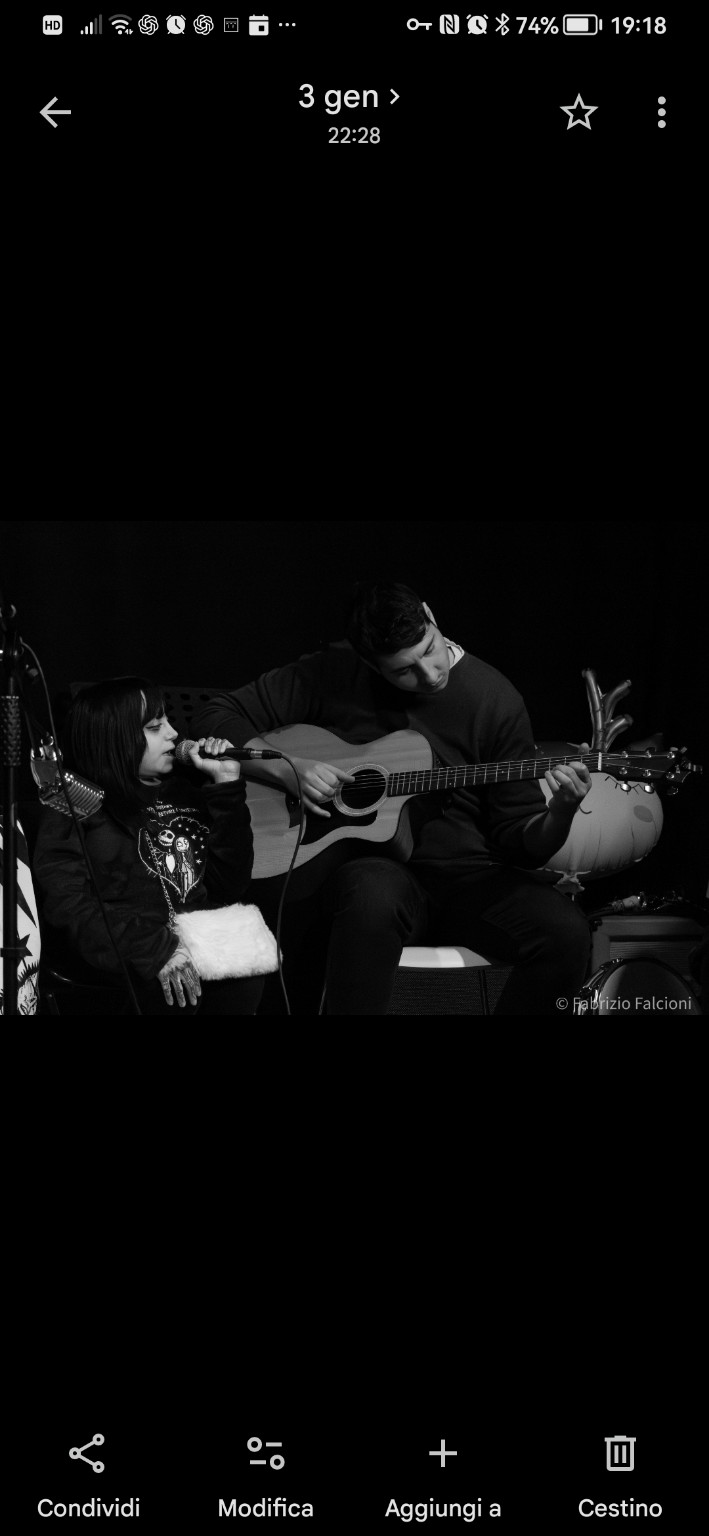
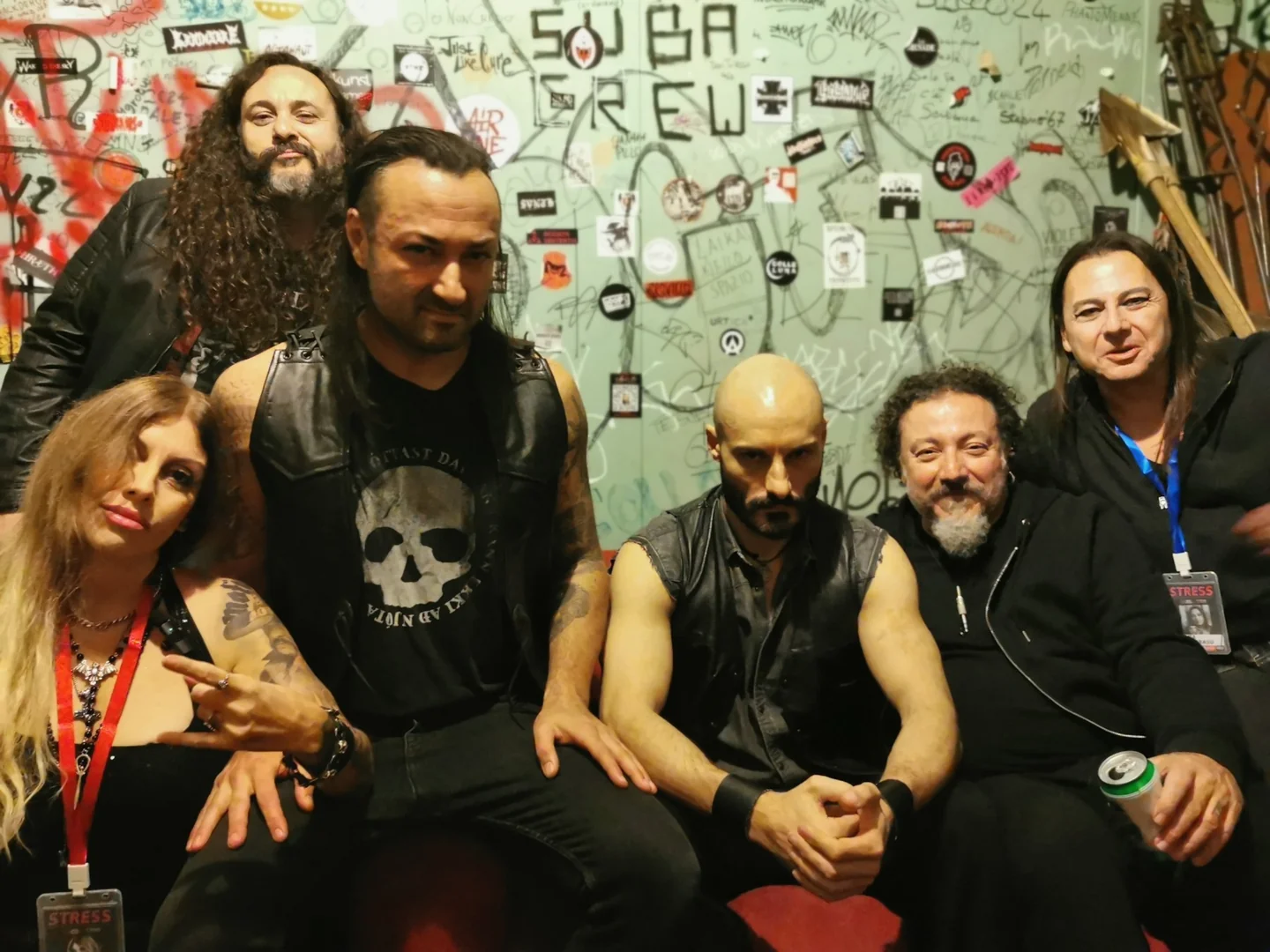
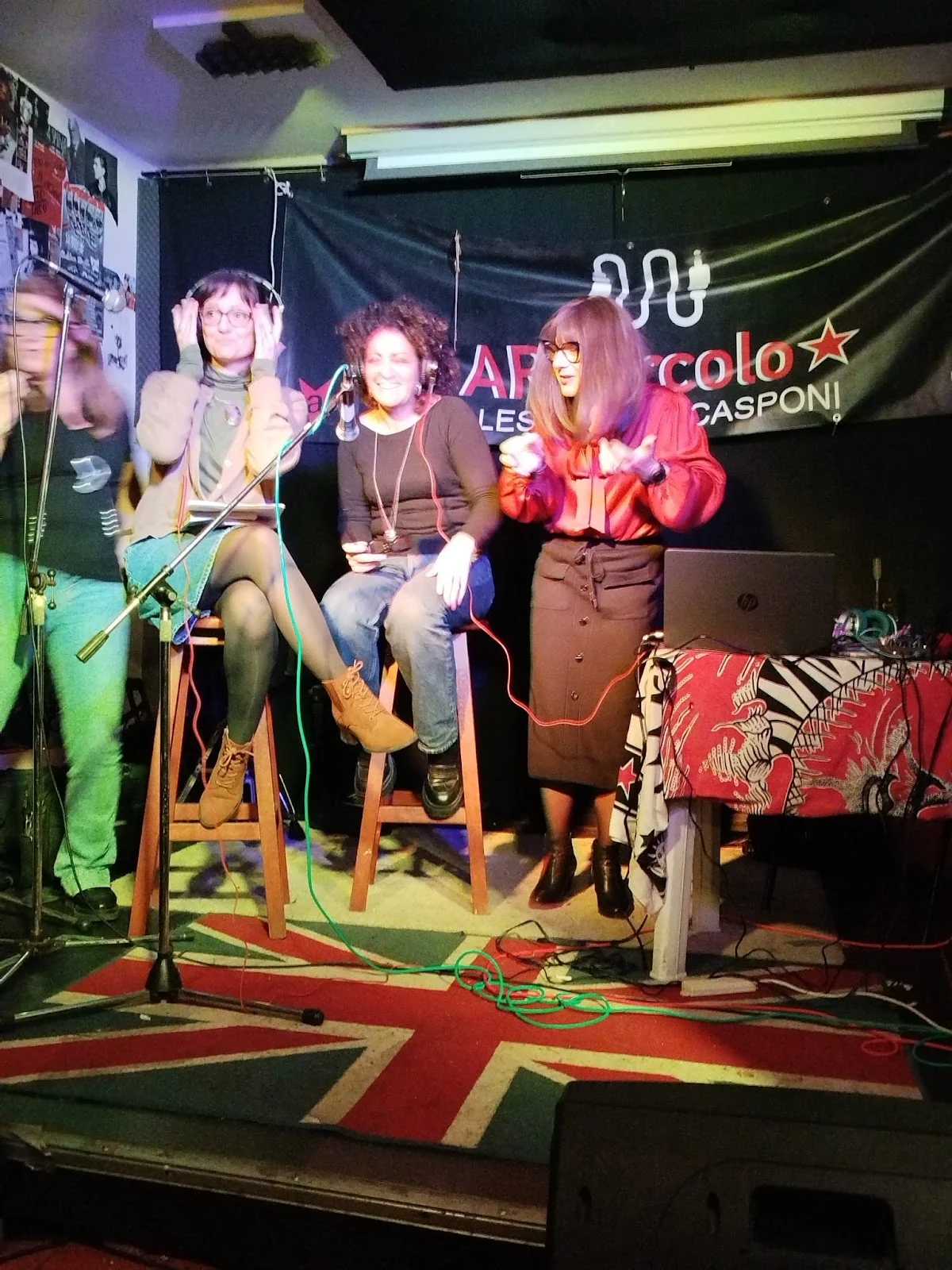





CommentiComments
Caricamento dei commenti…Loading comments…